Why TPU is the Go-To Material for High-Performance Sports Insoles

Why TPU is the Go-To Material for High-Performance Sports Insoles
Table of Contents
- Introduction: The Foundation of Athletic Performance
- What is Thermoplastic Polyurethane (TPU)?
- Key Properties of TPU for Sports Insoles
- TPU vs. Other Insole Materials: A Comparative Analysis
- Performance Benefits for Athletes
- Expert Insights: What Podiatrists and Engineers Say
- How to Select the Right TPU Insole for Your Sport
- Frequently Asked Questions (FAQ)
- Conclusion: Stepping Into the Future with TPU
Introduction: The Foundation of Athletic Performance
In the competitive world of sports, every advantage counts. While athletes focus on training, nutrition, and technique, one critical component often overlooked is footwear technology. Specifically, the insole—the interface between the foot and the shoe—plays a pivotal role in performance, injury prevention, and comfort. Among the materials available, Thermoplastic Polyurethane (TPU) has emerged as the undisputed champion for high-performance sports insoles. This blog explores why TPU’s unique properties make it the preferred choice for elite athletes and active individuals alike, transforming how we approach impact absorption, energy return, and biomechanical support.
What is Thermoplastic Polyurethane (TPU)?
Thermoplastic Polyurethane (TPU) is a versatile class of plastic that combines the best properties of rubber and plastic. It is a linear segmented block copolymer consisting of hard and soft segments. This molecular structure gives TPU its remarkable duality: the hard segments provide durability and structural integrity, while the soft segments offer elasticity and comfort. Unlike traditional materials, TPU can be precisely engineered—through variations in its composition and processing—to achieve specific densities, flexibilities, and rebound characteristics. This makes it exceptionally suitable for applications requiring a balance of high strength and dynamic flexibility, such as sports insoles.
The Anatomy of a High-Performance TPU Insole
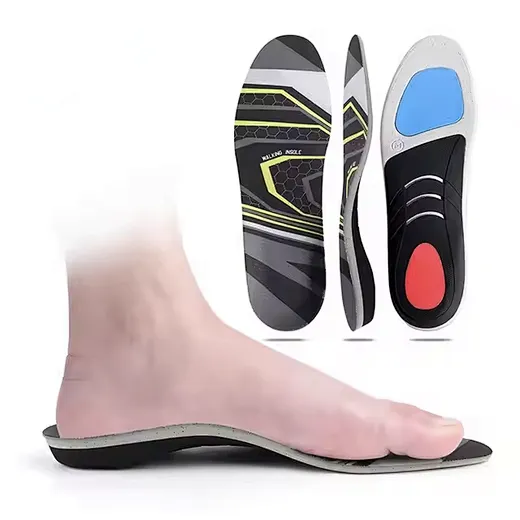
A modern TPU sports insole is rarely a single slab of material. It is a multi-layered system designed for specific functions:
- Top Layer (Comfort Layer): Often made of moisture-wicking, antimicrobial foam for direct foot contact.
- Mid Layer (Functional Core): The heart of the insole, typically engineered TPU that provides targeted arch support, metatarsal padding, and heel cushioning.
- Bottom Layer (Base Layer): A firm TPU or composite layer for stability and shoe integration.


When it comes to maximizing comfort and performance in your footwear, the magic often lies beneath your feet—specifically, in the advanced materials used in modern insoles. Today, I'm excited to delve into two exceptional options that share a key technological component but offer distinct feels.
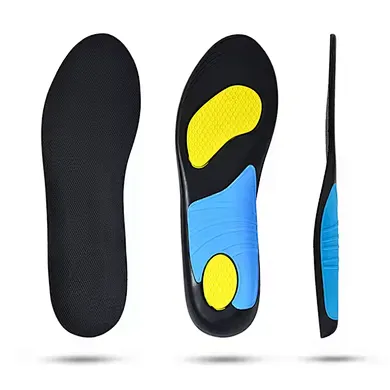
First, we have a PU + TPU + Gel insole. This combination is the definition of structured, responsive support. The Polyurethane (PU) base provides a durable and slightly firmer cradle, while strategically placed Gel pods offer targeted shock absorption at the heel and forefoot. The true star here, however, is the TPU (Thermoplastic Polyurethane). Integrated as a supportive chassis or arch plate, the TPU delivers exceptional torsional stability. It effectively controls excess foot rotation, reduces fatigue on long walks or runs, and ensures the insole maintains its shape mile after mile. It's the perfect choice for those seeking dynamic support and motion control.
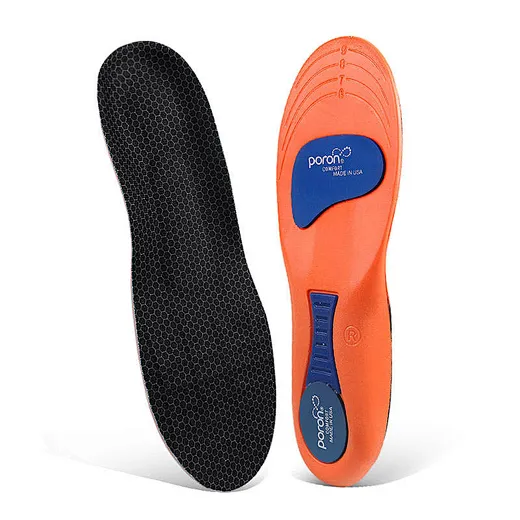
The second option features an EVA + TPU + Gel construction. This design prioritizes cloud-like cushioning with intelligent reinforcement. The Ethylene-Vinyl Acetate (EVA) foam base is renowned for its lightweight, soft, and adaptable feel, molding gently to your foot's contour. Again, the TPU plays a pivotal role. Often implemented as a flexible yet supportive frame or a heel cradle, it adds necessary structure and rebound to the plush EVA. This prevents the soft foam from collapsing over time and provides a spring-like energy return with each step. The integrated Gel zones further enhance comfort by dampening high-impact shocks.
So, why the emphasis on TPU? Thermoplastic Polyurethane is the unsung hero of footwear engineering. It's a remarkably versatile material that uniquely bridges the gap between flexible rubber and rigid plastic. Key properties include:
-
High Resilience & Durability: It resists deformation and bounces back to its original shape, ensuring long-lasting support.
-
Excellent Load-Bearing Capacity: It can withstand significant pressure without breaking down.
-
Lightweight & Flexible: Despite its strength, it adds minimal weight and allows for natural foot movement where needed.
In essence, whether paired with the firmer PU or the softer EVA, TPU is the critical element that provides intelligent structure, prevents overpronation, and transforms simple cushioning into truly supportive and enduring foot comfort. Choosing between these insoles comes down to your preference for a more supportive (PU-based) or a more cushioned (EVA-based) primary feel, with the trusted benefits of TPU core support in both.
Key Properties of TPU for Sports Insoles
TPU's dominance in the insole market is not accidental. It results from a superior combination of physical and mechanical properties.
Exceptional Energy Return and Responsiveness
TPU exhibits outstanding energy return efficiency. When compressed during foot strike (heel impact or toe-off), TPU absorbs kinetic energy and releases a significant percentage back as elastic rebound. This propulsive effect reduces muscular effort and can enhance stride efficiency. For runners and court-sport athletes, this translates to less fatigue and more power.
Superior Durability and Longevity
Unlike foam materials that compress and lose their shape over time (a process known as material fatigue), TPU is highly resistant to permanent deformation. It maintains its structural integrity and cushioning properties for hundreds of miles of use, making it a cost-effective investment for serious athletes.
Precision Engineering and Customization
TPU can be easily molded, milled, and fabricated into complex, anatomical shapes. This allows manufacturers to create insoles with variable density mapping—softer cushioning in the heel, firmer support in the arch, and flexible propulsion zones in the forefoot. This level of customization aligns with the principles of biomechanical correction.
Lightweight and Supportive
Despite its robustness, TPU is remarkably lightweight. Advanced TPU formulations provide a high strength-to-weight ratio, ensuring that the insole adds support without adding dead weight to the athlete's shoe, a critical factor for speed and agility.
TPU vs. Other Insole Materials: A Comparative Analysis
Understanding TPU’s superiority requires a direct comparison with common alternatives.
TPU vs. EVA (Ethylene-Vinyl Acetate)
EVA foam is lightweight and cushiony but lacks durability. It compresses quickly, leading to reduced shock absorption over time. TPU offers a more consistent performance lifespan and far better energy return.
TPU vs. Gel
Gel inserts excel at dissipating impact forces but are often poor at energy return. They can feel "dead" or unresponsive. TPU provides a more dynamic cushioning experience, balancing impact protection with a lively, springy feel.
TPU vs. Polyurethane (PU) Foam
Traditional PU foam is durable but can be heavy and rigid. TPU offers similar durability with significantly greater flexural endurance and a wider range of tunable hardness.
Performance Benefits for Athletes
The application of TPU insoles translates into tangible benefits across various sports.
Enhanced Shock Absorption for Injury Prevention
Repetitive impact forces are a primary cause of sports injuries like stress fractures, plantar fasciitis, and joint pain. TPU insoles effectively dampen these forces, protecting bones, joints, and soft tissues. This is crucial for high-impact sports like running, basketball, and volleyball.
Improved Biomechanical Alignment
Many TPU insoles are designed with medial arch support and heel cups to promote proper foot posture. This corrects overpronation or supination, leading to better alignment up the kinetic chain—ankles, knees, hips, and lower back. Proper alignment enhances efficiency and reduces the risk of overuse injuries.
Optimal Energy Transfer and Propulsion
For sprinters, cyclists, and soccer players, efficient energy transfer from foot to ground is vital. The responsive nature of TPU ensures minimal energy loss during the gait cycle, contributing to more powerful pushes and faster times.
Temperature and Moisture Stability
TPU maintains its properties across a wide temperature range. It does not become overly stiff in cold weather or too soft in heat, unlike some rubbers and gels. Many TPU composites also feature moisture management properties, keeping feet drier and reducing blister risk.
Expert Insights: What Podiatrists and Engineers Say
Dr. Sarah Chen, Sports Podiatrist
"In my practice, I consistently recommend TPU-based orthotics and insoles for my athletic patients. The material's ability to be precision-molded allows us to address specific biomechanical deficiencies with unparalleled accuracy. For a runner with plantar fasciitis, a TPU insole with targeted medial posting and a deep heel cup provides the perfect blend of dynamic support and pain relief that softer materials simply cannot sustain over the long term."
Mark Johnson, Materials Engineer at Footwear Tech Inc.
"From an engineering standpoint, TPU is a game-changer. We can now design insoles with gradient density zones using different TPU formulations in a single piece. This means we can program the insole's behavior—where it flexes, where it supports, and where it rebounds. This level of control, combined with TPU's inherent fatigue resistance, creates a product that genuinely enhances athletic performance rather than just passively cushioning the foot."
How to Select the Right TPU Insole for Your Sport
Not all TPU insoles are created equal. Consider these factors:
For Running & Marathon:
Look for insoles with high rebound TPU in the forefoot for toe-off spring and excellent heel cushioning. A moderate to high arch support is usually beneficial.
For Court Sports (Basketball, Tennis):
Prioritize insoles with lateral stability features and robust arch support to handle quick side-to-side movements. Shock absorption is key for jumps.
For Walking & Everyday Use:
Focus on all-day comfort. A TPU insole with a softer durometer (measure of hardness) and good arch contouring will provide comfort and prevent fatigue.
Frequently Asked Questions (FAQ)
1. Are TPU insoles suitable for all types of shoes?
Yes, most TPU insoles are trim-to-fit and can be placed inside running shoes, cleats, hiking boots, and even some casual shoes. However, ensure the insole's thickness and arch profile do not make the shoe too tight.
2. How long do TPU sports insoles typically last?
With regular high-impact use, a quality TPU insole can last between 6 to 12 months, significantly outperforming standard EVA or foam insoles which may compress within a few months.
3. Can TPU insoles be washed?
It depends on the specific product. Most top-layer covers can be wiped clean. Some are machine-washable on gentle cycles. Always check the manufacturer's care instructions to preserve the material integrity.
4. Do TPU insoles help with plantar fasciitis?
Absolutely. TPU insoles are highly effective for plantar fasciitis due to their firm yet flexible support. They maintain proper arch shape, reducing strain on the plantar fascia ligament, and provide consistent cushioning to alleviate heel pain.
5. Are TPU insoles more expensive than other types?
They often have a higher initial cost than basic foam insoles. However, their superior durability and performance longevity make them more cost-effective over time, as they do not need to be replaced as frequently.
Conclusion: Stepping Into the Future with TPU
The evolution of sports insoles has reached a new plateau with the adoption of Thermoplastic Polyurethane. Its unparalleled combination of energy return, durability, customizability, and lightweight support addresses the core demands of high-performance athletics. TPU insoles are no longer mere accessories; they are performance-enhancing equipment that actively contribute to an athlete's power, endurance, and injury resilience. As material science continues to advance, TPU formulations will only become more sophisticated, further solidifying its role as the foundational material for anyone serious about unlocking their full athletic potential from the ground up. Investing in a quality TPU insole is an investment in performance, health, and the sheer joy of movement.


Say Goodbye to Tired Feet: Top 5 Comfort Insole Features for Daily Life
The Daily Commute Upgrade: How Insoles Transform Your Everyday Walks