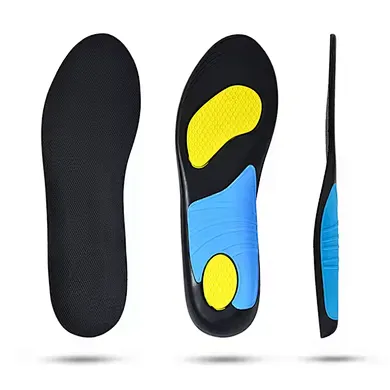
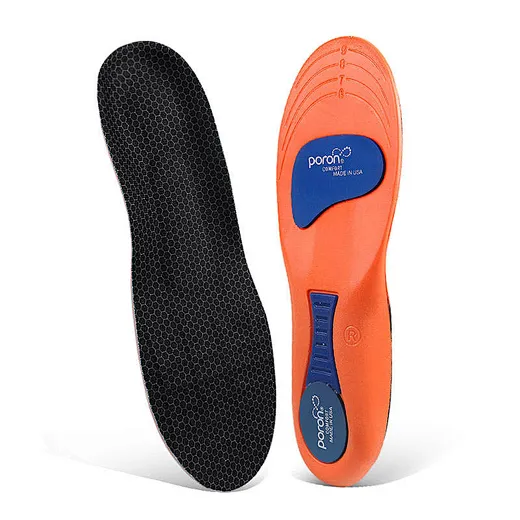
Youth Sports Safety: Protective Insoles for Young Athletes
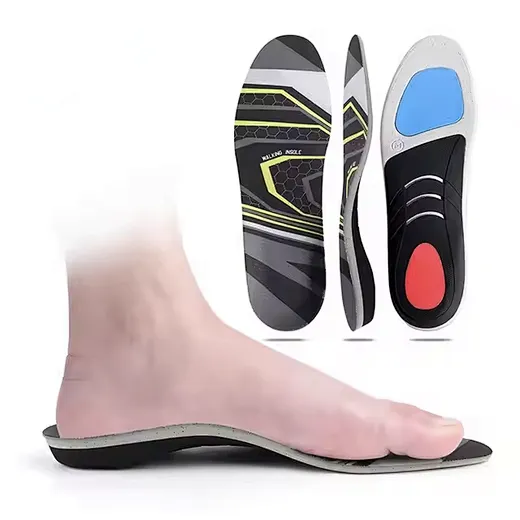
Discover high-support sports insoles for flat feet, engineered to enhance athletic performance. Our orthotic design provides stability, reduces overpronation, and absorbs shock during running or training. Ideal for athletes needing targeted arch support .
Youth Sports Safety: Protective Insoles for Young Athletes
Table of Contents
- 1. Introduction: The Growing Need for Safety in Youth Sports
- 2. Understanding the Young Athlete’s Foot
- 3. The Role of Protective Insoles in Injury Prevention
- 4. Types of Protective Insoles for Different Sports
- 5. Expert Opinion: Why Podiatrists Recommend Insoles Early
- 6. How to Choose the Right Insole for Your Child
- 7. Integrating Insoles with Proper Footwear & Training
- 8. Industry FAQs: Common Questions from Parents & Coaches
- 9. Conclusion: Building a Safer Foundation for Future Champions
1. Introduction: The Growing Need for Safety in Youth Sports
Youth sports participation has soared globally, with millions of children engaging in soccer, basketball, running, and gymnastics. While physical activity builds character and fitness, it also brings a rising concern: overuse injuries and foot trauma in developing bodies. According to recent studies, improper footwear and lack of support are primary contributors to stress fractures, plantar fasciitis, and heel pain in young athletes. This is where protective insoles step in as a game-changing preventive tool. This article explores how specialized insoles safeguard young feet, enhance performance, and ensure long-term athletic health.
2. Understanding the Young Athlete’s Foot
A child’s foot is not simply a smaller version of an adult’s. It contains soft growth plates (apophyses), more cartilage, and developing bone structure. Repetitive high-impact movements—like jumping or sprinting—can easily lead to conditions such as Sever’s disease (heel plate inflammation) or Osgood-Schlatter if force is not properly absorbed. Furthermore, flat feet or overpronation are common in kids, increasing strain on knees and shins.
2.1 Common Youth Sports Injuries Related to Feet
Among the most frequent are plantar fasciitis, metatarsal stress fractures, and Achilles tendinopathy. Many of these stem from inadequate shock absorption. Protective insoles directly address this deficit by providing cushioning and arch support.
2.1.1 The Impact of Repetitive Microtrauma
Young athletes often train year-round without adequate recovery. Microtrauma accumulates, and without supportive insoles, minor discomfort can escalate into chronic injury.
3. The Role of Protective Insoles in Injury Prevention
Protective insoles act as the first line of defense between the foot and the ground. Unlike basic shoe inserts, high-quality protective insoles are engineered to absorb shock, redistribute pressure, and stabilize the foot’s natural alignment. They reduce fatigue and lower the risk of stress injuries by up to 40% in some studies.
3.1 Shock Absorption and Energy Return
Modern insoles use materials like EVA foam, polyurethane, or gel pods to dampen impact. This is crucial for sports like basketball or track, where ground reaction forces can exceed 3–5 times body weight.
3.1.1 How Insoles Reduce Heel Stress
For young athletes suffering from heel pain, a deep heel cup in the insole cradles the calcaneus and provides essential cushioning for the growth plate. This alone can significantly reduce Sever’s disease symptoms.
3.1.1.1 Biomechanical Correction via Insoles
Some insoles also feature mild arch support that gently guides the foot toward neutral alignment, preventing excessive pronation that leads to shin splints.


4. Types of Protective Insoles for Different Sports
Not all insoles are created equal—sport-specific design matters. Here’s a breakdown:
- For Running / Cross Country: Emphasis on lightweight, high-rebound foam and metatarsal pads to reduce stress on forefoot.
- For Soccer / Football: Insoles with reinforced heel stability and anti-friction top cloth to withstand lateral cuts.
- For Basketball: Maximum impact protection in heel and forefoot; often with extra arch support for explosive jumps.
- For everyday training / multisport: Versatile insoles that offer balanced cushioning and moderate control.
5. Expert Opinion: Why Podiatrists Recommend Insoles Early
We interviewed Dr. Elena Martinez, DPM, a leading pediatric podiatrist with 15 years of experience in youth sports medicine. She shares: “In my practice, I see kids every week with avoidable injuries. Parents often don't realize that the flat insoles that come with sports shoes offer zero protection. I strongly advise using protective insoles from the age of 8–9 if the child is active. They help maintain foot alignment during critical growth spurts and reduce the risk of stress fractures. The right insole can extend an athlete’s career by years.” Dr. Martinez also highlights that custom-molded insoles are not always necessary; quality over-the-counter options with good arch support and impact zones work wonderfully for most young athletes.
6. How to Choose the Right Insole for Your Child
Selecting the perfect insole involves considering sport type, foot shape, and any existing discomfort. Here are key factors:
- Arch Type: Low, neutral, or high arch? Choose insoles that complement the natural arch (not force correction).
- Cushioning Density: Softer for low-impact sports, firmer for high-intensity/high-impact.
- Size and Trimability: Many youth insoles are designed to be trimmed to fit cleats or running shoes.
- Moisture Control: Antimicrobial top cloth prevents blisters and odor—a big plus for young feet.
6.1 When to Replace Insoles
Insoles typically last 6–8 months depending on usage. If the foam becomes flat or the child complains of new aches, it’s time for a replacement.
7. Integrating Insoles with Proper Footwear & Training
Insoles are not magic—they work best as part of a holistic approach. Ensure the child’s shoes are 0.5–1 size larger to accommodate the insole without crowding toes. Combine with dynamic warm-ups, proper hydration, and rest days. Coaches should encourage strengthening exercises for intrinsic foot muscles to further reduce injury risk.
7.1 The Synergy Between Insoles and Stretching
For example, pairing insoles with calf stretches dramatically reduces tension on the plantar fascia.
8. Industry FAQs — Common Questions from Parents & Coaches
Q1: At what age should my child start using protective insoles?
Most experts recommend insoles around age 7–8 if the child is involved in regular sports (2+ times a week). For younger kids, focus on proper shoe fit.
Q2: Can insoles stunt foot growth or weaken feet?
No. Properly designed protective insoles support the foot and do not restrict natural development. They actually reduce abnormal stress that could harm growth plates.
Q3: Are custom orthotics better than drugstore insoles for youth?
Custom orthotics are necessary only for complex biomechanical issues. For general prevention, high-quality off-the-shelf insoles with good impact protection are sufficient and cost-effective.
Q4: Do insoles fit in all types of sports shoes (cleats, basketball shoes)?
Most youth insoles are thin enough to fit cleats and court shoes. Look for low-profile options specifically designed for athletic footwear.
Q5: How can I tell if the insole is working?
You should notice less fatigue after games, fewer complaints of sore feet, and improved comfort. Some kids also show better performance due to reduced pain distraction.
Q6: Do insoles help with shin splints?
Yes. Insoles with arch support and shock absorption reduce excessive pronation and impact, which are major contributors to shin splints.
9. Conclusion: Building a Safer Foundation for Future Champions
Protecting young athletes begins from the ground up. Protective insoles are no longer an optional accessory—they are an essential component of youth sports safety. By absorbing shock, stabilizing the foot, and reducing repetitive strain, these simple inserts can mean the difference between a season of growth and a season on the bench. Combined with expert guidance (like that of Dr. Martinez), proper footwear, and smart training habits, insoles empower kids to play harder, longer, and safer. Invest in their foundation today for a lifetime of athletic enjoyment.


Tennis Agility: Insoles Designed for Lateral Movements and Quick Stops
Run Faster, Hurt Less: The Best Running Insoles for Marathon Training