Run Faster, Hurt Less: The Best Running Insoles for Marathon Training
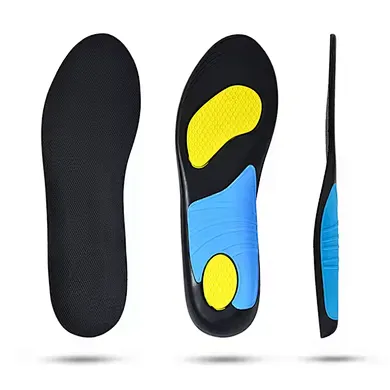
Discover the best insoles for flat feet running to reduce overpronation and relieve arch strain. Designed for runners, they provide targeted support, enhance stability, and absorb shock mile after mile. Improve your stride with orthotic-grade comfort.
Run Faster, Hurt Less: The Best Running Insoles for Marathon Training
Table of Contents
- Introduction: The Marathon Runner's Secret Weapon
- Why Running Insoles Matter for Marathon Training
- Types of Running Insoles: Finding Your Perfect Match
- Key Benefits: How Insoles Help You Run Faster and Hurt Less
- How to Choose the Best Running Insoles for Your Feet
- Expert Insights: What Podiatrists Say About Running Insoles
- Top Running Insoles for Marathon Training
- Integrating Insoles into Your Training Routine
- Maintenance and Longevity of Running Insoles
- Frequently Asked Questions (FAQ)
- Conclusion: Step Up Your Marathon Game
Introduction: The Marathon Runner's Secret Weapon
Every marathon runner knows the feeling: the thrill of crossing the finish line is often preceded by months of grueling training, countless miles, and the constant battle against fatigue and injury. But what if there was a way to enhance your performance while simultaneously reducing your risk of pain? The answer lies beneath your feet. Welcome to the world of running insoles – the unsung heroes of marathon training that can help you run faster and hurt less. In this comprehensive guide, we'll explore how the right shoe insoles can transform your training experience, boost your speed, and keep you on the track instead of on the sidelines.
Why Running Insoles Matter for Marathon Training
Marathon training places immense stress on your feet. With each stride, your feet absorb forces up to three times your body weight. Over 26.2 miles, that adds up to hundreds of tons of impact. Standard running shoes, while essential, often provide only basic cushioning. This is where specialized running insoles come into play. They offer targeted support, superior shock absorption, and personalized comfort that off-the-shelf shoes simply cannot match. By optimizing foot mechanics, shoe insoles not only enhance performance but also prevent common injuries like plantar fasciitis, shin splints, and stress fractures.
Types of Running Insoles: Finding Your Perfect Match
Not all insoles are created equal. Understanding the different types is crucial for making an informed choice.
1. Cushioning Insoles
These insoles prioritize comfort and shock absorption. Made from materials like gel or foam, they're ideal for runners who need extra padding to reduce impact. High-cushion insoles are particularly beneficial for long, slow distance runs where fatigue accumulates.
2. Arch Support Insoles
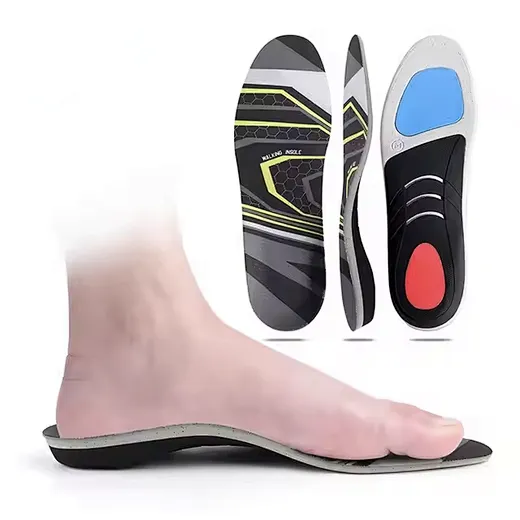
Designed for runners with flat feet or high arches, these insoles provide structural support. They help maintain proper foot alignment, reducing strain on the plantar fascia and Achilles tendon. Orthotic insoles fall into this category and are often recommended for overpronation or supination issues.
3. Performance Insoles
These combine lightweight materials with dynamic support. They're engineered to enhance energy return, helping you run faster with less effort. Many elite marathoners use carbon fiber-infused insoles for that extra spring in their step.
4. Custom-Made Insoles
For runners with unique foot structures or chronic issues, custom insoles molded to your feet offer the ultimate solution. While more expensive, they provide unparalleled comfort and correction.
For runners seeking to enhance their marathon experience, selecting the right insole can be just as crucial as choosing the perfect pair of shoes. High-performance marathon insoles are designed to offer a harmonious blend of support and shock absorption, ensuring that your feet remain resilient through every grueling mile.
These specialized insoles provide structural reinforcement that helps maintain proper foot alignment, reducing the risk of overpronation and alleviating strain on the arches. By stabilizing the foot's natural motion, they promote a more efficient stride, allowing you to conserve energy during long-distance running.
At the same time, advanced cushioning technologies work to dissipate the repetitive impact generated by pounding the pavement. This effective shock attenuation not only protects your joints—including knees and hips—from excessive stress but also minimizes fatigue, keeping your legs fresher for longer.
Whether you're logging high mileage during training or chasing a personal best on race day, a quality marathon insole that masterfully combines support with cushioning can be a game-changer, enhancing both comfort and performance when it matters most.


Key Benefits: How Insoles Help You Run Faster and Hurt Less
Investing in quality running insoles yields multiple performance and health benefits:
Enhanced Speed and Efficiency
By optimizing foot strike and reducing energy loss, insoles can improve running economy. Studies show that proper foot support can increase stride efficiency by up to 4%, translating to faster race times. The energy-return properties of modern insoles propel you forward with each step.
Injury Prevention
Marathon training's repetitive motion often leads to overuse injuries. Quality insoles absorb shock, reduce joint stress, and correct biomechanical flaws. This dramatically lowers the risk of conditions like runner's knee, IT band syndrome, and metatarsalgia.
Fatigue Reduction
Muscle fatigue is a major performance limiter. With superior cushioning and support, shoe insoles delay the onset of fatigue in your feet and legs, allowing you to maintain form and pace longer during those critical long runs.
Improved Comfort
Blisters, hot spots, and general discomfort can derail training. Insoles with moisture-wicking properties and ergonomic designs keep your feet comfortable mile after mile.
How to Choose the Best Running Insoles for Your Feet
Selecting the right insoles involves considering several factors:
Foot Type Assessment
Determine your arch type (low, neutral, high) and gait pattern (overpronation, neutral, supination). This guides whether you need stability, motion control, or neutral insoles.
Training Intensity
Consider your weekly mileage and training pace. High-mileage runners may benefit from maximum cushioning, while speed-focused runners might prefer responsive, low-profile insoles.
Shoe Compatibility
Ensure the insoles fit properly in your running shoes. Some insoles are designed to replace the original insole, while others sit on top. Check thickness and trim-to-fit options.
Material and Durability
Look for high-quality materials that withstand hundreds of miles. EVA foam, polyurethane, and gel composites offer excellent durability and performance.
Expert Insight: "The right running insoles are like a custom suspension system for your feet," says Dr. Sarah Martinez, sports podiatrist and marathon runner. "They don't just make you comfortable—they actively work to keep your entire kinetic chain aligned. I've seen runners drop minutes from their marathon times simply by switching to insoles that address their specific biomechanical needs. Remember, your feet are the foundation; if they're not properly supported, everything above suffers."
Top Running Insoles for Marathon Training
Based on expert reviews and runner testimonials, here are some of the best shoe insoles for marathon preparation:
Superfeet GREEN - Maximum Support
Ideal for runners with medium to high arches needing stability. The deep heel cup and high-density foam provide excellent shock absorption and motion control.
Currex RunPro - Dynamic Arch Support
Offers three arch heights and a lightweight design. Its dynamic cushioning adapts to your stride, making it perfect for varied training paces.
Powerstep Pinnacle - Maximum Cushioning
Features dual-layer cushioning and a semi-rigid arch support. Excellent for runners with plantar fasciitis or those seeking plush comfort.
Sole Active Thick - Heat Moldable
Can be heat-molded to your feet for a custom fit. The medium volume works well in most running shoes, offering personalized support.
Enertor Running Insoles - Impact Protection
Uses patented technology to reduce impact forces by up to 33%. Ideal for injury-prone runners seeking maximum protection.
Integrating Insoles into Your Training Routine
Transitioning to new insoles requires patience:
Break-In Period
Start by wearing them for short walks, then gradually increase running duration over 1-2 weeks. This allows your feet to adapt.
Pairing with Proper Footwear
Ensure your running shoes accommodate the insoles. Remove the original insole first, and check for adequate toe room.
Monitoring Performance
Track how your feet feel during and after runs. Note any changes in pace, fatigue, or discomfort to assess effectiveness.
Maintenance and Longevity of Running Insoles
To maximize your investment:
Cleaning
Most insoles can be hand-washed with mild soap and air-dried. Avoid machine washing, which can damage materials.
Replacement Schedule
Replace insoles every 300-500 miles or when you notice decreased cushioning. Some high-performance insoles may last longer with proper care.
Rotation
Having multiple pairs allows insoles to air out between runs, extending their lifespan and maintaining hygiene.
Frequently Asked Questions (FAQ)
Q: Can running insoles really make me faster?
A: Yes, by improving running economy and reducing energy waste. The right shoe insoles optimize foot strike and provide energy return, which can translate to better race times. However, they work best as part of a comprehensive training program.
Q: How do I know if I need running insoles?
A: If you experience foot fatigue, arch pain, shin splints, or general discomfort during or after runs, you could benefit from insoles. Also, if your shoes show uneven wear patterns, insoles might help correct alignment issues.
Q: Should I buy insoles that match my arch type?
A: Absolutely. Using insoles designed for your specific arch (low, neutral, high) ensures proper support and prevents overcorrection. Many brands offer different arch options or adjustable features.
Q: Can I use the same insoles for different shoes?
A: Yes, you can transfer insoles between shoes as long as they fit properly. However, for optimal performance, consider having dedicated pairs for training and racing shoes.
Q: Are expensive custom insoles worth the cost?
A: For runners with complex foot issues or those logging high mileage, custom insoles can be invaluable. However, many quality over-the-counter options provide excellent support at a fraction of the cost.
Q: How often should I replace my running insoles?
A: Most insoles last 300-500 miles. Signs of wear include compressed cushioning, visible creases, or reduced support. Replace them when they no longer provide adequate comfort and stability.
Conclusion: Step Up Your Marathon Game
The journey to marathon success is paved with countless steps, each one an opportunity to improve. By incorporating high-quality running insoles into your training arsenal, you're not just protecting your feet—you're investing in your entire performance. The right shoe insoles provide the foundation for running faster, longer, and with less pain. Remember, every great marathon finish line begins with a single step, so make sure that step is as supported and efficient as possible. Whether you're a first-time marathoner or a seasoned veteran, the right insoles can make all the difference between hitting the wall and breaking through it. So lace up, step in, and get ready to run your best race yet.


Youth Sports Safety: Protective Insoles for Young Athletes
The Science of Shock Absorption: How Sports Insoles Protect Your Joints