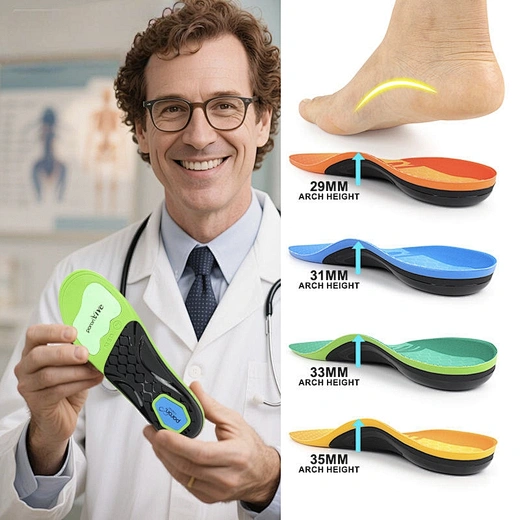
7 Signs You Need Supportive Insoles for Better Foot Health
Discover supportive insoles designed for lasting comfort and proper foot alignment.These inserts provide targeted arch support and cushioning to relieve pressure points,reduce fatigue,and improve stability during walking,running,or long hours on your feet
7 Signs You Need Supportive Insoles for Better Foot Health
Table of Contents
- Introduction: The Role of Supportive Insoles
- Sign 1: Persistent Foot Fatigue
- Sign 2: Arch or Heel Pain
- Sign 3: Frequent Blisters or Hot Spots
- Sign 4: Uneven Shoe Wear Patterns
- Sign 5: Knee, Hip, or Back Pain
- Sign 6: Foot Swelling After Activity
- Sign 7: Existing Foot Conditions
- Expert Insights on Supportive Insoles
- Frequently Asked Questions (FAQs)
- Conclusion
Introduction: The Role of Supportive Insoles
Your feet are the foundation of your body, bearing your entire weight with every step you take. Supportive insoles, also known as orthotic inserts or shoe inserts, are specialized footbeds designed to provide additional comfort, alignment, and protection inside your footwear. These devices serve multiple crucial functions, including pressure redistribution, arch support, shock absorption, and biomechanical correction. Many people overlook the warning signs that indicate a need for proper foot support, leading to preventable discomfort and long-term issues. This article explores the seven key signs that suggest you could benefit from supportive insoles for better foot health.
Sign 1: Persistent Foot Fatigue
A feeling of tired, aching feet at the end of the day, even after relatively light activity, is one of the most common indicators that your shoes lack adequate support. This is often a result of your foot muscles and ligaments working overtime to compensate for improper alignment and inadequate cushioning.
How Insoles Help
Supportive insoles provide a structured foundation that reduces muscle strain. By offering targeted arch support and cushioning, they help distribute weight more evenly across your foot, preventing specific areas from becoming overloaded and fatigued.
Types of Insoles for Fatigue
For general foot fatigue, look for insoles with full-length cushioning made from materials like memory foam or EVA. These materials conform to your foot's shape while providing consistent energy return throughout the day.
Sign 2: Arch or Heel Pain
Pain concentrated in your arch (often indicative of plantar fasciitis or fallen arches) or your heel (a hallmark of heel spurs or plantar fasciitis) signals significant stress on these structures. This pain is frequently worst first thing in the morning or after prolonged periods of rest.
How Insoles Help
Insoles designed for arch and heel pain feature a contoured arch that lifts and supports the plantar fascia ligament, reducing tension and inflammation. A deep heel cup stabilizes the rearfoot, cushions impact, and aligns the heel bone properly.
Key Features to Seek
Heel Cup and Arch Profile
A deep, firm heel cup and a medium to high arch profile are critical for managing this type of pain. Semi-rigid orthotic materials often provide the best balance of support and comfort.
Sign 3: Frequent Blisters or Hot Spots
If you regularly develop blisters, calluses, or "hot spots" on the balls of your feet, heels, or sides of your toes, it often points to excessive friction and pressure points within your shoe. This can be caused by your foot sliding around due to a lack of secure fit and proper contouring.
How Insoles Help
A well-fitted insole fills the dead space between your foot and the shoe, creating a more secure and customized fit. This minimizes foot movement, reducing shear forces that cause blisters. Some insoles also incorporate moisture-wicking top covers to keep feet dry, further preventing blister formation.
Sign 4: Uneven Shoe Wear Patterns
Examine the soles of your shoes. Do they wear down excessively on the inside (medial) or outside (lateral) edges? Severe inward wear suggests overpronation (flat feet), while excessive outward wear may indicate supination (high arches). Both are biomechanical inefficiencies that can lead to injury.
How Insoles Help
Corrective insoles are designed to bring your foot into a more neutral position. For overpronators, insoles with firm medial (arch) support prevent the ankle from rolling inward too far. For supinators, insoles with enhanced cushioning and a neutral arch help absorb shock more effectively.
Sign 5: Knee, Hip, or Back Pain
Pain in your knees, hips, or lower back that has no clear origin in those joints themselves may actually stem from your feet. Misaligned feet can create a chain reaction of postural imbalances that travel up the kinetic chain, stressing the ankles, knees, hips, and spine.
How Insoles Help
By correcting foot alignment at the source, supportive insoles can help rebalance your entire posture. This reduces abnormal rotational forces on the knees and helps maintain proper pelvic alignment, potentially alleviating discomfort in these higher joints.
Sign 6: Foot Swelling After Activity
Noticeable swelling in your feet or ankles after standing, walking, or exercising can indicate poor circulation and excessive impact stress. This is common in professions requiring long hours on hard surfaces and during intense athletic activity.
How Insoles Help
Insoles with effective shock absorption, like those with gel pods or advanced foam compounds, reduce the impact forces traveling up through your feet and legs. This can decrease inflammation and swelling. Additionally, a proper fit improves overall foot function and circulation.
Sign 7: Existing Foot Conditions
If you have been diagnosed with conditions such as plantar fasciitis, flat feet (pes planus), high arches (pes cavus), bunions (hallux valgus), or metatarsalgia, supportive insoles are often a primary component of conservative treatment plans.
How Insoles Help
For specific conditions, insoles provide targeted therapy. For example, they offload pressure from a bunion, provide a "metatarsal pad" to relieve ball-of-foot pain, or offer rigid control for severe overpronation. They work to manage symptoms and prevent worsening of the condition.
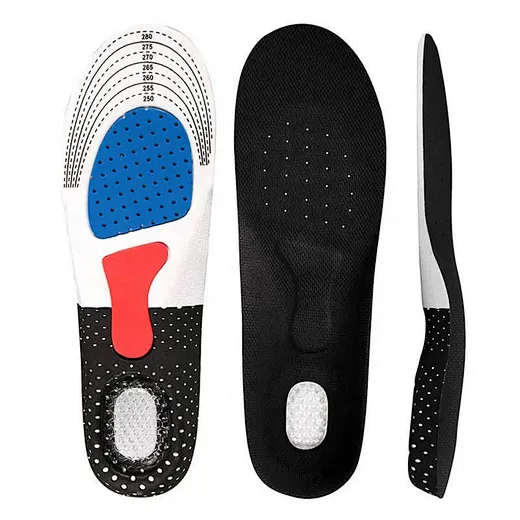
When it comes to comfortable and supportive footwear, the right insole can make all the difference. Today, I’m excited to introduce three highly supportive insoles designed to enhance comfort, stability, and performance across various activities.
The first insole is crafted from a combination of PU, TPU, and Gel. This innovative blend offers a balanced mix of durability, flexibility, and cushioning. The PU provides a sturdy base, the TPU adds structural support and responsiveness, while the gel elements deliver targeted shock absorption. Together, they create an insole that not only supports your arches but also effectively reduces impact during walking, running, or standing for long periods.
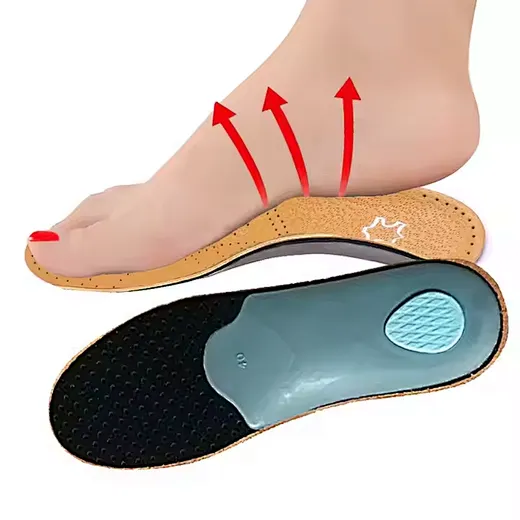
Next, we have an insole made from PU Leather, PP, and Latex. This model focuses on a comfortable yet supportive experience with a premium feel. The PU leather top layer offers a soft, breathable surface, while the polypropylene (PP) delivers firm arch support and helps maintain the insole’s shape over time. The natural latex layer adds responsive cushioning and additional shock absorption, making it an excellent choice for all-day wear, whether you’re at work, traveling, or enjoying outdoor activities.
Finally, for those seeking a customized fit, the third option is a heat-moldable corrective insole made from EVA and Thermoplastic materials. This insole can be easily warmed and shaped to match the exact contours of your feet, offering personalized arch support and alignment correction. The EVA foam provides lightweight cushioning and shock absorption, while the thermoplastic structure ensures lasting support and stability. Ideal for athletes, individuals with specific orthopedic needs, or anyone looking for tailored comfort, this moldable insole adapts to various footwear and activities.
All three insoles excel in offering strong support and noticeable shock absorption, making them suitable for a wide range of scenarios—from sports and hiking to daily commuting and long hours on your feet. Whether you need general comfort enhancement or targeted foot correction, there’s an option here to meet your needs.


Expert Insights on Supportive Insoles
"Many patients dismiss early foot discomfort as normal, but it's often the body's first warning signal. The foot is a complex mechanical structure; when its arch collapses or its alignment is off, it affects everything above it. Supportive insoles are not a 'one-size-fits-all' solution, but a properly selected or custom-made orthotic can be transformative. It acts as a foundation, much like the frame of a house, ensuring stability and proper load distribution. I often recommend a gait analysis to identify the root cause of the problem, which then informs the type of insole support needed—whether it's motion control, stability, or pure cushioning."
— Dr. Anya Sharma, DPM, Board-Certified Podiatrist and Sports Medicine Specialist
Frequently Asked Questions (FAQs)
1. What is the difference between cushioned insoles and supportive/orthotic insoles?
Cushioned insoles primarily focus on shock absorption and comfort, using soft materials like foam or gel. Supportive or orthotic insoles are biomechanical devices designed with a firm arch support and a contoured shape to correct alignment, control motion, and address the root cause of pain.
2. Can I just buy insoles off the shelf, or do I need custom orthotics?
For many of the signs listed above, high-quality, over-the-counter insoles from reputable brands can provide significant relief. They come in various arch profiles and are a cost-effective first step. Custom orthotics, prescribed by a podiatrist, are molded precisely to your feet and are typically recommended for severe deformities, specific medical conditions, or when OTC options fail.
3. How long do supportive insoles typically last?
The lifespan varies by material and usage. For someone using them daily, most supportive OTC insoles should be replaced every 6 to 12 months. High-end custom orthotics can last several years but may need occasional top cover replacements. Replace them when the cushioning compresses, the arch support feels less firm, or visible wear appears.
4. Will supportive insoles make my shoes feel too tight?
They can, especially if your shoes are already snug. It's crucial to consider the volume of the insole. Many are designed to be "low-profile" to fit in most shoes. When purchasing new shoes specifically for use with insoles, it's wise to buy them a half-size larger or select a model with a roomy toe box and removable factory insole.
5. Can I use the same insoles in all my different shoes?
You can, but you might need different styles for different activities. A rigid, supportive insole ideal for work boots or walking shoes may be too bulky for dress shoes or running sneakers. Many brands offer activity-specific lines (e.g., running, work, casual). Ensure the insole is trim-to-fit if moving between different shoe types.
Conclusion
Ignoring the signals your feet send can lead to a cascade of discomfort affecting your entire body. The seven signs outlined—from persistent fatigue and localized pain to postural issues and abnormal wear—are clear indicators that your feet are asking for more support. Supportive insoles are a powerful, accessible tool for enhancing foot health, improving comfort, and preventing future injuries. They work by providing structural reinforcement, proper alignment, and critical cushioning. If you recognize multiple signs in your daily life, consider investing in a pair of quality supportive insoles as a proactive step toward long-term well-being and mobility. For persistent or severe symptoms, consulting a podiatrist for a professional evaluation is always the best course of action.


Insole Arch Height: Effects on Comfort, Posture, and Foot Problems
What Are the Key Features of Good Orthotic Insoles? A Complete Guide to Superior Foot Support