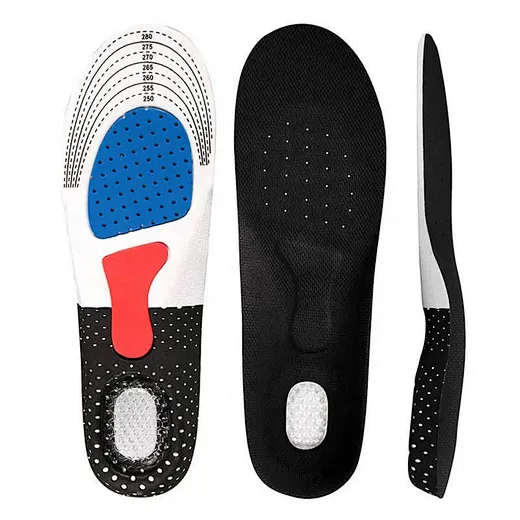
Heel Pain Be Gone: The Role of Deep Heel Cups in Orthotic Insoles
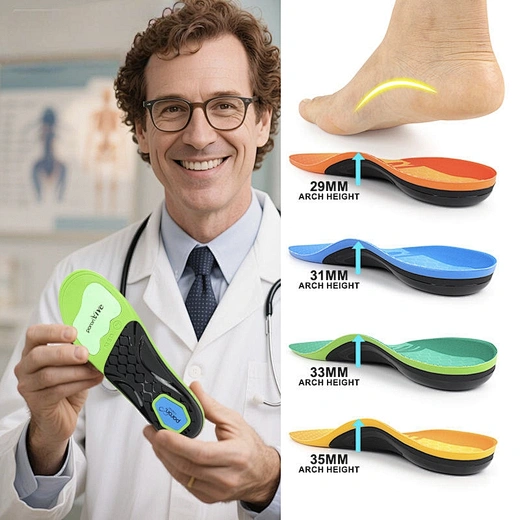
Discover how orthotic insoles for shoes provide essential arch support,improve foot alignment,and relieve discomfort from plantar fasciitis or flat feet.Designed for all-day wear in casual,work,or athletic footwear.Experience better foot health naturally.
Heel Pain Be Gone: The Role of Deep Heel Cups in Orthotic Insoles
Table of Contents
- Introduction: The Heel Pain Epidemic
- What Are Deep Heel Cups?
- The Biomechanics of Heel Pain Relief
- Why Orthotic Insoles Need Deep Heel Cups
- Conditions Helped by Deep Heel Cups
- Expert Opinion: Podiatrist Insights
- How to Choose the Right Deep Heel Cup Insole
- Combining with Other Treatments
- Industry FAQ
- Conclusion: Step Without Pain
Introduction: The Heel Pain Epidemic
Heel pain is one of the most common foot complaints, affecting millions of people worldwide. Whether it's a sharp stab with the first morning steps or a dull ache after long hours on your feet, the condition can significantly impact quality of life. Fortunately, advances in orthotic design—particularly the integration of deep heel cups—have revolutionised treatment. In this comprehensive guide, we explore how deep heel cups in orthotic insoles work, why they are essential, and how they can make heel pain disappear.
What Are Deep Heel Cups?
A deep heel cup is a contoured, raised rim built into the rearfoot area of an orthotic insole. Unlike flat insoles, these cups cradle the calcaneus (heel bone) and the surrounding fat pad. The primary purpose is to contain and centre the heel's natural padding, preventing it from splaying out under weight. This maintains thickness and shock absorption exactly where it's needed most.
Anatomy of a Deep Heel Cup
Typically made from rigid or semi-rigid materials like polypropylene or deep-moulded EVA foam, the cup extends upward on the medial (inner) and lateral (outer) sides. This creates a "bucket" effect. The depth can vary from 12 mm to 20 mm, depending on the level of control required.
How It Differs from Standard Insoles
Standard insoles offer minimal rearfoot control. In contrast, a deep heel cup provides maximum rearfoot stability, limiting excessive pronation or supination. This distinction is critical for pathological conditions where motion control is therapeutic.
The Biomechanics of Heel Pain Relief
To understand why deep heel cups work, we must look at foot strike. During gait, the heel absorbs impact forces up to 1.5 times body weight. In a healthy foot, the fat pad acts as a natural shock absorber. However, with age or repetitive stress, this pad can atrophy or shift.
Fat Pad Containment
A deep heel cup literally traps the fat pad beneath the calcaneus. By preventing it from squeezing out sideways, the cup preserves its thickness and elasticity. Research shows that proper containment can restore up to 80% of the fat pad's original shock-absorbing capacity.
Controlling Calcaneal Eversion
Excessive rolling in of the heel (eversion) is a major cause of plantar fasciitis and Achilles tendinopathy. Deep heel cups provide a stabilising wall that guides the heel through a neutral position, reducing strain on soft tissues.
Impact on Plantar Fascia
By limiting calcaneal movement, the deep heel cup reduces tension at the origin of the plantar fascia. This directly alleviates the micro-tearing that causes heel spur pain.
Why Orthotic Insoles Need Deep Heel Cups
Orthotic insoles are prescribed to correct biomechanical faults. Without a deep heel cup, the insole may not adequately control the rearfoot, leaving the root cause untreated.
Enhanced Shock Absorption
The combination of a deep cup and a shock-absorbing material (like viscoelastic polymers) creates a dual-action cushioning system. The cup holds the fat pad in place while the material absorbs high-frequency vibrations.
Improved proprioception
Deep heel cups also enhance sensory feedback. The snug fit around the heel tells the brain where the foot is in space, leading to better balance and subtle gait adjustments that offload painful areas.
Synergy with Arch Support
Most quality orthotic insoles pair a deep heel cup with robust arch support. This creates a three-point force system that stabilises the entire foot—heel, midfoot, and forefoot—working together to abolish pain.


Conditions Helped by Deep Heel Cups
Deep heel cups are not a one-size-fits-all cure, but they are remarkably effective for specific diagnoses.
Plantar Fasciitis
This is the #1 indication. By cradling the heel and limiting fascial strain, deep heel cups reduce morning pain and post-activity soreness. Many patients report improvement within two weeks.
Heel Fat Pad Syndrome
When the natural cushioning deteriorates, a deep heel cup substitutes as an artificial fat pad, providing immediate relief upon standing.
Achilles Tendonitis
By controlling excessive heel motion, deep cups reduce the torsional load on the Achilles tendon during push-off.
Sever's Disease (Children)
In growing adolescents, deep heel cups can cushion the growth plate and reduce traction apophysitis pain.
Bursitis and Stress Fractures
Any condition involving the heel bone benefits from the offloading and stabilising effects of a well-designed cup.
Expert Opinion: Podiatrist Insights
"I have been fitting orthotics for over 20 years, and the single most important feature for heel pain patients is a proper deep heel cup. It's not just about comfort; it's about physics. A shallow insole allows the heel to migrate, which defeats the purpose. Deep heel cups are the foundation of effective orthotic therapy."
— Dr. Emily Hart, DPM, American Podiatric Medical Association
Another perspective from sports medicine: "Athletes with recurrent heel pain need that proprioactive hug. The deep heel cup gives them the confidence to push off without fear. Combined with a good insole, it's a game-changer." — Mark Spencer, Lead Physiotherapist, London Sports Institute.
How to Choose the Right Deep Heel Cup Insole
Not all deep heel cups are created equal. Here is what to look for:
Material Rigidity
For maximum control, choose a semi-rigid shell (polypropylene or carbon fibre). For cushioning preference, a deep mould in high-density foam works well.
Depth Measurement
Ensure the cup depth matches your fat pad thickness. A podiatrist can measure this, but a good rule: you should feel the sides of the cup without the heel lifting out.
Footwear Compatibility
Deep heel cups take up vertical space. You'll need shoes with removable insoles and a deep heel counter. Many athletic and walking shoes accommodate this.
Custom vs. Over-the-Counter
While custom orthotics offer bespoke cup depth, many OTC options now feature adjustable deep heel cups with modular inserts. Brands like Superfeet, Powerstep, and Sole have excellent choices.
Combining with Other Treatments
For optimal results, deep heel cup insoles should be part of a comprehensive plan.
Stretching and Strengthening
Calf stretches and towel curls complement the mechanical support of the cup. The insole offloads the tissue, while exercises restore flexibility.
Night Splints
Using a night splint together with daytime deep heel cup orthotics can accelerate healing by maintaining a constant stretch on the plantar fascia.
Ice and Activity Modification
Reducing high-impact activities temporarily, combined with ice massage, enhances the anti-inflammatory effect while the deep heel cup works mechanically.
Industry FAQ (Frequently Asked Questions)
1. Can a deep heel cup completely cure my plantar fasciitis?
Deep heel cups are a cornerstone of conservative treatment, but they work best when combined with stretching, proper footwear, and activity modification. For many, they resolve pain within 3-6 weeks. However, chronic cases may need additional intervention.
2. Will a deep heel cup make my shoe too tight?
It can if your shoes are already snug. Choose footwear with removable insoles and adequate depth. Many shoes designed for orthotics have extra volume in the heel area.
3. How long do deep heel cup insoles last?
Typically 6 to 12 months, depending on material and activity level. Check for compression marks—if the cup no longer holds its shape, it's time to replace.
4. Are deep heel cups only for people with flat feet?
No, they benefit various foot types. High-arched feet also need heel stability to prevent excessive supination. The cup centres the heel regardless of arch height.
5. Can I use deep heel cups if I have no diagnosed condition but stand all day?
Absolutely. They are excellent for preventive care. Workers, nurses, and retail staff often use them to reduce fatigue and protect the fat pad from chronic compression.
6. Do I need a prescription for deep heel cup orthotics?
No, many are available over-the-counter. However, if you have severe deformity or nerve pain, a custom device from a podiatrist is advisable.
Conclusion: Step Without Pain
Heel pain doesn't have to be a life sentence. The integration of deep heel cups in orthotic insoles represents a profound leap in conservative foot care. By containing the fat pad, stabilising the calcaneus, and working in concert with the body's natural biomechanics, these unassuming cups can literally make heel pain vanish. Whether you suffer from plantar fasciitis, fat pad atrophy, or simply want to protect your feet for the long haul, investing in quality orthotic insoles with deep heel cups is a step toward a pain-free future. Combine them with expert guidance, appropriate footwear, and consistent self-care, and you'll be walking comfortably again in no time.


Are Your Shoes Killing Your Feet? Why You Need Arch Support Insoles