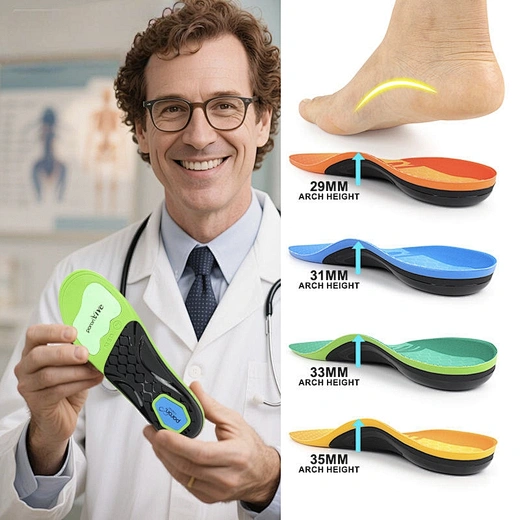
How to Choose the Right Arch Support Insoles: Firm vs. Soft
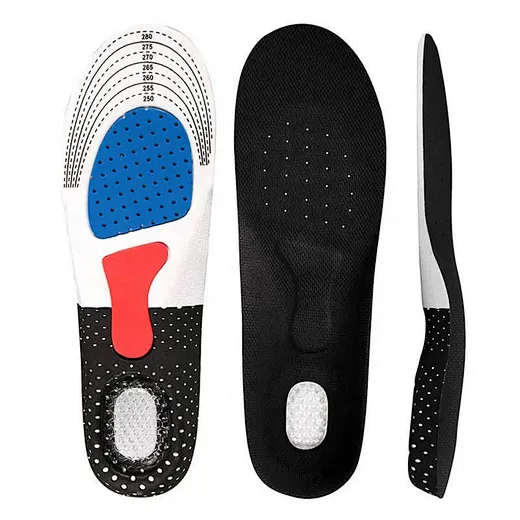
Discover premium arch insoles for shoes designed to relieve foot pain and improve alignment. Our supportive inserts provide targeted arch support, reduce fatigue, and enhance comfort for walking, running, or daily wear.
How to Choose the Right Arch Support Insoles: Firm vs. Soft
Table of Contents
- 1. Introduction: Why Arch Support Matters
- 2. Understanding Your Arch Type
- 3. Firm Arch Support: Features & Best Applications
- 4. Soft Arch Support: Features & Best Applications
- 5. Firm vs. Soft: A Side-by-Side Comparison
- 6. Expert Insights
- 7. The Role of Shoe Insoles in Foot Health
- 8. How to Select Based on Lifestyle & Footwear
- 9. Industry FAQ
- 10. Conclusion
Introduction: Why Arch Support Matters
Foot discomfort is one of the most common complaints among adults, and often the root cause lies in inadequate arch support. Whether you're an athlete, a desk worker, or someone who spends hours standing, the right pair of arch support insoles can transform your comfort and prevent long-term issues. The debate between firm and soft support is central to choosing the perfect insole. This guide will walk you through the science, expert recommendations, and practical tips to make an informed decision.
Understanding Your Arch Type
Before diving into firmness, you must know your foot's architecture. Podiatrists classify arches into three main categories:
- Low arches (flat feet): Feet tend to roll inward (overpronation). Often require structured support.
- Neutral arches: Balanced feet; can adapt to various insoles.
- High arches: Feet underpronate (supinate), needing cushioning to absorb shock.
Your arch type is the primary filter when deciding between firm and soft insoles. A quick wet test or a professional gait analysis can reveal your profile.
If you’re looking to improve your foot comfort and posture, choosing the right insole can make all the difference. In this post, I’m introducing three types of supportive insoles, each tailored to different arch types and foot conditions. Whether you have flat feet, neutral arches, or high arches, there’s an option here for you.
The first insole is crafted from high-quality EVA material, known for its lightweight durability and firm support. Designed specifically for individuals with flat feet, it provides excellent arch reinforcement to help correct overpronation and reduce strain on the feet during long periods of standing or walking.
The second option combines PU foam with silicone components, offering a balanced mix of comfort and targeted support. This insole is ideal for those with a normal or medium arch, as it gently cradles the foot while maintaining proper alignment. The silicone adds an extra layer of cushioning and shock absorption, making it a great choice for everyday use.
Last but not least, the third insole features a advanced layered construction—PU foam, Poron cushioning, and a TPU stability shell. This combination delivers superior shock absorption, energy return, and structural support. It’s especially suitable for individuals with high arches, as it helps distribute pressure more evenly and reduces the risk of discomfort or injury during high-impact activities.
Each of these insoles is designed with specific foot needs in mind, helping you stay comfortable, supported, and active throughout the day.


Firm Arch Support: Features & Best Applications
Firm insoles are engineered from materials like rigid polypropylene, carbon fiber, or dense EVA. They provide maximum stability and control.
Who Benefits Most from Firm Insoles?
Individuals with low arches or overpronation often need firm support to realign the foot. People suffering from plantar fasciitis, posterior tibial tendonitis, or chronic knee pain may also find relief. Firm insoles limit excessive motion, acting as a "guide" for the foot.
Pros and Cons
Pros: Excellent motion control, durable, ideal for heavy-duty use (hiking, running).
Cons: Can feel uncomfortable during break-in, not suitable for very sensitive feet.
Dr. Emily Torres, DPM, notes: "For patients with structural instability, a firm arch support insole is non-negotiable. It's like a seatbelt for the foot—it keeps everything aligned under load."
Soft Arch Support: Features & Best Applications
Soft insoles are typically made from gel, soft foam (memory foam, Poron), or layered cushioning materials. They prioritize comfort and shock absorption.
Who Benefits Most from Soft Insoles?
People with high arches require soft, forgiving materials to fill the space and absorb impact. Those with sensitive feet, diabetes (neuropathy), or arthritis often prefer soft insoles. They also suit casual wear and dress shoes where space is limited.
Pros and Cons
Pros: Immediate comfort, great shock absorption, easy to adapt.
Cons: Wear out faster, offer less motion control, may not correct severe biomechanical issues.
Firm vs. Soft: A Side-by-Side Comparison
| Aspect | Firm Support | Soft Support |
|---|---|---|
| Best for arch type | Low / flat arches | High / neutral arches |
| Primary function | Stability & control | Cushion & comfort |
| Material | Rigid plastic, dense foam | Gel, memory foam, soft EVA |
| Longevity | Long-lasting (1-2 years) | Shorter lifespan (3-6 months) |
| Ideal activities | Running, hiking, standing jobs | Casual walking, dress shoes |
Expert Insights: What Podiatrists Recommend
"The firm-versus-soft debate isn't about one being 'better'—it's about matching the insole to the patient's structure and symptoms. A runner with flat feet needs firm support to prevent shin splints, while a ballet dancer with high arches needs soft, conforming materials to avoid stress fractures. I always emphasize that shoe insoles are medical devices; choose them with the same care you'd choose eyeglasses." — Dr. Marcus Chen, DPM, sports podiatrist
Additionally, recent studies show that combining firm arch support with a soft top layer (hybrid insoles) can offer the best of both worlds—many modern insoles now adopt this design to cater to wider audiences.
The Role of Shoe Insoles in Foot Health
Beyond arch support, high-quality shoe insoles serve multiple purposes: they reduce pressure on the metatarsals, improve balance, and can even alleviate lower back pain. Insoles are the foundation of your footwear ecosystem. When you choose between firm and soft, you're essentially tuning the suspension system of your body. Remember that insoles work synergistically with your shoes—a firm insole in a flexible shoe may feel odd, while a soft insole in a rigid boot might get compressed too much.
How to Select Based on Lifestyle & Footwear
For Work Boots & Hiking Shoes
Opt for firm arch support to handle rough terrain and long hours. Your feet need stability to prevent fatigue.
For Dress Shoes & Casual Sneakers
Choose soft, low-profile insoles that fit snugly without crowding the toe box. Look for trim-to-fit designs.
For Sports & Running
It depends on your gait: overpronators need firm support; neutral runners can enjoy soft or moderate cushioning. Many running stores offer gait analysis to match you with the ideal insole.
For Seniors or Diabetic Patients
Soft, extra-depth insoles with plush cushioning are often recommended to protect fragile skin and bony prominences.
Industry Frequently Asked Questions
1. Can firm arch support cause pain initially?
Yes, a break-in period of 3-7 days is normal. Your foot muscles are adapting to the new support. Start by wearing them 2 hours a day and gradually increase.
2. Are soft insoles ever recommended for flat feet?
Only if the flat feet are flexible and pain-free. For symptomatic flat feet, soft insoles may not provide enough correction and could allow excessive pronation.
3. How often should I replace my arch support insoles?
Firm insoles typically last 12–18 months; soft insoles may need replacement every 6 months. Check for compression marks or loss of resilience.
4. Can I use the same insoles in multiple pairs of shoes?
Yes, but ensure they transfer well and don't compromise fit. Some people prefer dedicated insoles for each frequently worn pair.
5. Do I need a prescription for custom orthotics, or can OTC work?
Over-the-counter arch support insoles work for most mild to moderate cases. Severe deformities or unrelenting pain may require custom devices from a podiatrist.
6. What’s the difference between arch support insoles and orthotics?
Technically, orthotics are medical-grade devices prescribed for biomechanical abnormalities. Arch support insoles are consumer products designed for comfort and mild support. Many quality OTC brands now offer features once exclusive to custom orthotics.
Conclusion
Choosing between firm and soft arch support insoles ultimately comes down to your unique foot structure, daily activities, and any existing pain. Remember that firm insoles provide structural control for overpronation and heavy-duty use, while soft insoles deliver cushioning and comfort for high arches or sensitive feet. By combining the wisdom of experts with your own self-awareness, you can step into a world of pain-free movement. Don't underestimate the power of quality shoe insoles—they are small investments with massive returns in your overall well‑being.


The 4 Most Common Foot Problems Solved by Orthotic Inserts
From Heel to Toe: How Full-Length Orthotics Support Your Entire Foot