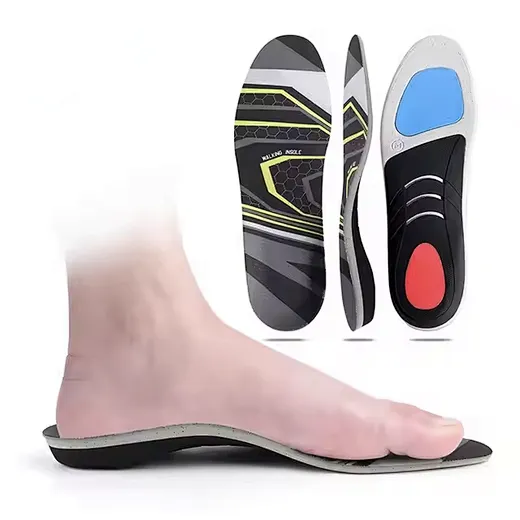
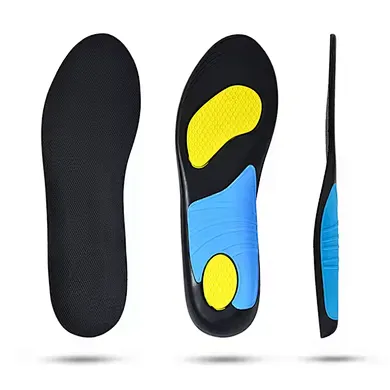
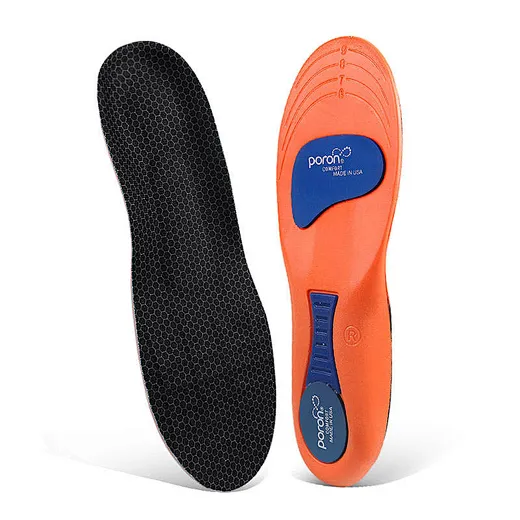
Sports Insoles for Basketball: Maximize Performance and Prevent Injuries

Optimize basketball performance with specialized sports insoles basketball designs. These inserts provide enhanced arch support, impact absorption and stability for explosive jumps, quick cuts and prolonged court time.
Sports Insoles for Basketball: Maximize Performance and Prevent Injuries
Table of Contents
- Why Basketball Demands Specialized Insoles
- Key Benefits of Basketball Insoles
- Types of Basketball Insoles
- How to Choose the Right Basketball Insoles
- Expert Insights on Basketball Footwear
- FAQs About Basketball Insoles
- Conclusion
Why Basketball Demands Specialized Insoles
Basketball involves explosive movements that place tremendous stress on the feet and joints. The average player:
- Changes direction every 2-3 seconds during gameplay
- Jumps approximately 46 times per game
- Runs 2-3 miles per game with constant stop-start motion
These demands require specialized support that standard shoe insoles cannot provide. Basketball-specific insoles address the unique biomechanical challenges of the sport.
Key Benefits of Basketball Insoles
Enhanced Shock Absorption
Basketball insoles feature advanced impact-absorbing materials that reduce the force of landing from jumps by up to 40%. This protects against:
- Heel bruises and bone spurs
- Shin splints
- Stress fractures
Improved Stability and Lateral Support
The cutting and pivoting motions in basketball require exceptional lateral stability. Quality insoles provide:
- Reinforced side walls for cutting motions
- Deep heel cups to prevent slippage
- Arch support that maintains foot positioning
Optimal Energy Return
Advanced insole materials provide energy return properties that translate to:
- Higher vertical jumps
- Faster acceleration
- Reduced muscle fatigue
Moisture Management and Temperature Control
Basketball generates intense foot heat and sweat. Premium insoles offer:
- Antimicrobial treatments to prevent odor
- Moisture-wicking layers to keep feet dry
- Breathable materials that regulate temperature
Types of Basketball Insoles
Cushion-Focused Insoles
Designed primarily for shock absorption, these typically feature:
- Gel or air pockets in the heel and forefoot
- Memory foam that conforms to foot shape
- Lightweight materials that don't add bulk
Performance Orthotics
These provide medical-grade support for players with specific needs:
- Rigid arch support for flat feet or high arches
- Biomechanical correction for overpronation
- Custom molding options for perfect fit
Hybrid Insoles
Combining multiple technologies, these offer:
- Zoned cushioning (softer in impact areas, firmer in support areas)
- Multi-layer construction for balanced performance
- Specialized materials for different positions (guards vs. centers)
How to Choose the Right Basketball Insoles
Step 1: Assess Your Playing Style
Guards and perimeter players should prioritize:
- Lightweight construction
- Responsive cushioning for quick bursts
- Flexibility for change of direction
Forwards and centers typically need:
- Maximum impact protection
- Enhanced stability for post play
- Durable materials that withstand heavier impacts
Step 2: Consider Your Foot Type
Flat feet require:
- Firm arch support
- Motion control features
- Stabilizing heel cups
High arches benefit from:
- Enhanced cushioning
- Shock absorption throughout the foot
- Flexible support that doesn't create pressure points
Step 3: Evaluate Your Current Issues
Address specific concerns:
- Plantar fasciitis: Look for arch support and heel cushioning
- Achilles tenderness: Choose insoles with graduated heel lift
- Knee pain: Opt for models with pronation control
Expert Insights on Basketball Footwear
Professional Recommendations
Dr. Michael Tran, Sports Podiatrist and Consultant for NBA players:
"Basketball players underestimate the importance of proper insoles. The standard insoles that come with basketball shoes are designed for cost-effectiveness, not performance. I recommend replaceable sport-specific insoles for all competitive players. The right insole can reduce injury risk by 25% and improve vertical jump height by up to 1.5 inches through better force transfer."
Training Considerations
Coach Elena Rodriguez, Certified Strength and Conditioning Specialist:
"Insoles aren't just for games—they should be part of your total training system. We have our athletes use different insole configurations for practice, weight training, and games. Progressive insole integration helps players adapt to the support while building foot strength."
FAQs About Basketball Insoles
How often should I replace my basketball insoles?
Competitive players should replace insoles every 3-6 months, depending on usage. Visual signs of wear include compressed cushioning, visible cracks, or loss of shape. Performance indicators include decreased comfort and increased post-game soreness.
Can I use the same insoles in different basketball shoes?
Yes, but ensure proper fit in each shoe. Some trim-to-fit options work well across multiple pairs. However, performance may vary based on each shoe's internal structure.
Do basketball insoles affect shoe fit?
Quality insoles are designed to replace stock insoles without affecting fit. However, some orthotic options may require going half a size up in shoe size. Always check manufacturer guidelines.
Are custom orthotics worth the investment for basketball?
For players with specific biomechanical issues or chronic pain, custom orthotics can be game-changing. However, many off-the-options provide excellent support for most players at a lower cost.
Can insoles help with ankle stability?
While insoles don't directly support ankles, they improve foot stability which indirectly affects ankle positioning. For ankle-specific issues, combine quality insoles with proper strengthening exercises.
How do I clean basketball insoles?
Most can be hand-washed with mild soap and cold water. Air dry completely before reuse. Avoid machine washing and direct heat sources which can damage materials.
Conclusion
Basketball insoles are one of the most important, yet often overlooked, performance investments for serious players. The right insoles can enhance protection against common basketball injuries, improve performance through better energy transfer, and enhance comfort during extended matches. Whether you're a weekend enthusiast or a competitive athlete, upgrading your insoles can significantly improve your performance while protecting your long-term foot health.
Remember, insoles are part of a system—pair them with quality basketball shoes tailored to your position and playing style. If your foot problems persist, consult a sports medicine professional who can provide personalized advice based on your biomechanical needs.


Should I Wear Running Insoles? The Ultimate Guide to Making the Right Choice
The Ultimate Guide to Sports Shoe Inserts: Enhance Performance and Prevent Injuries