Sport-Specific Insoles: Ultimate Guides for Running, Basketball & Soccer

Sport insoles are engineered for athletic performance, providing targeted arch support,shock absorption and energy return during running,training and high-impact activities.These inserts reduce foot fatigue and help prevent common sports-related injuries.
Sport-Specific Insoles: Ultimate Guides for Running, Basketball & Soccer
Enhance Performance, Prevent Injuries, and Maximize Comfort with Customized Foot Support
Table of Contents
- Introduction to Sport-Specific Insoles
- Running Insoles: A Comprehensive Guide
- Basketball Insoles: Ultimate Performance Guide
- Soccer Insoles: Complete Guide for Football Players
- Expert Insights on Sport-Specific Foot Support
- Frequently Asked Questions
- Conclusion: Choosing the Right Insole for Your Sport
Introduction to Sport-Specific Insoles
Sport-specific insoles are specialized footbeds designed to address the unique biomechanical demands of different athletic activities. Unlike generic insoles, these are engineered with targeted support, shock absorption, and stability features that cater to the specific movements and pressure patterns of running, basketball, soccer, and other sports.
These insoles work by redistributing pressure, correcting alignment issues, and providing cushioning where it's needed most during athletic performance. The right pair can significantly enhance comfort, reduce injury risk, and even improve athletic output by optimizing the foot's interaction with the ground.
Key Takeaway: Sport-specific insoles are not one-size-fits-all. They are precisely engineered to address the unique biomechanical demands of each sport, providing targeted support where athletes need it most during their specific movements and impact patterns.
Running Insoles: A Comprehensive Guide
Why Runners Need Specialized Insoles
Running generates impact forces of 2-3 times body weight with each stride, making proper foot support critical. Running-specific insoles are designed to manage these repetitive forces through strategic cushioning and motion control features that address the unique needs of runners.
Key Features of Running Insoles
- Heel cushioning: Extra padding in the heel area to absorb impact during heel strike
- Arch support: Contoured arches that match different foot types (neutral, high, flat)
- Metatarsal padding: Support under the ball of the foot for push-off phase
- Lightweight materials: Minimal weight addition to maintain running efficiency
- Breathable design: Moisture-wicking properties to keep feet dry during long runs
Types of Running Insoles
Cushioning Insoles
Designed primarily for shock absorption, ideal for runners on hard surfaces or those with joint sensitivity. These typically feature gel or foam pods in high-impact areas.
Stability Insoles
Focus on controlling excessive pronation (inward rolling) or supination (outward rolling) of the foot during the gait cycle. These often have firmer medial (inner) support.
Performance Insoles
Engineered to enhance energy return and efficiency, often using advanced materials that provide both cushioning and responsive rebound.
Basketball Insoles: Ultimate Performance Guide
The Unique Demands of Basketball
Basketball involves explosive jumps, lateral cuts, quick stops, and rapid direction changes that place tremendous stress on feet and lower extremities. Basketball insoles must provide ankle stability, impact protection from landing, and torsional control during pivoting movements.
Essential Features for Basketball Insoles
- Full-length cushioning: Even distribution of impact forces from heel to toe
- Lateral support: Reinforced sides to prevent rolling during cuts and defensive slides
- Forefoot flexibility: Adequate flexibility in the ball area for natural movement
- Impact-absorbing heel: Enhanced heel cushioning to protect during landings
- Secure fit: Non-slip materials to prevent insole movement inside the shoe
Position-Specific Considerations
Guards
Require insoles with excellent responsiveness for quick direction changes and enhanced forefoot cushioning for explosive first steps.
Forwards/Centers
Need maximum impact protection for frequent jumping and landing, with additional arch support for prolonged standing and posting up.
Soccer Insoles: Complete Guide for Football Players
Soccer's Unique Footwear Challenges
Soccer cleats are typically minimalistic with thin soles to maximize ball feel, which often means inadequate support. Soccer-specific insoles must provide targeted support without compromising ball sensitivity or adding bulk that affects shoe fit.
Critical Features of Soccer Insoles
- Low-profile design: Thin construction to fit within tight-fitting cleats
- Strategic cushioning: Padding only in high-pressure areas to preserve ground feel
- Moisture management: Antimicrobial properties to combat sweat in non-breathable cleats
- Midfoot stability: Support during cutting and planting movements
- Toe spring: Appropriate curvature to support the foot during kicking motions
Surface-Specific Considerations
Firm Ground (FG) Cleats
Require insoles with balanced cushioning and support for natural grass surfaces with occasional firm patches.
Artificial Ground (AG) Cleats
Need enhanced shock absorption for harder synthetic surfaces, with particular attention to forefoot cushioning.
Indoor/Turf Shoes
Benefit from insoles with good torsional stability for quick lateral movements on flat, unyielding surfaces.
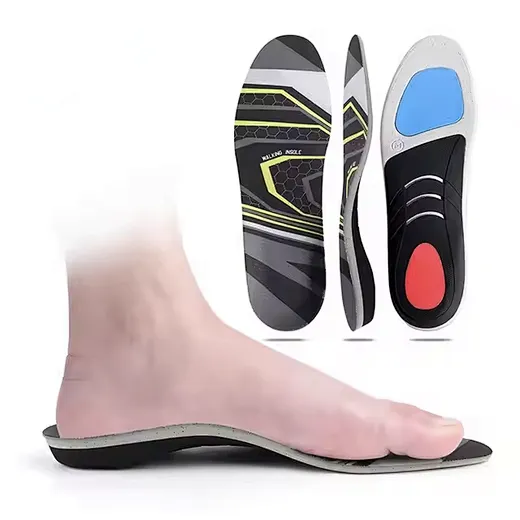
When it comes to maximizing your athletic performance and comfort, the right pair of insoles can be just as crucial as the right shoes. Different sports place unique demands on your feet, from impact absorption and stability to agility and support. Here’s a closer look at three highly recommended insoles tailored for running, basketball, and soccer, designed to help you move better and feel better—no matter your game.
1. Running Insoles: All About Cushioning and Endurance
Running insoles are engineered to handle repetitive impact and provide long-lasting comfort over miles of pavement or trails. Look for options with advanced shock-absorption materials like gel, foam, or specialized polymers in the heel and forefoot areas. These help reduce stress on joints, prevent fatigue, and lower the risk of injuries like shin splints or plantar fasciitis. Many running-specific insoles also feature arch support tailored for neutral or high arches, promoting proper alignment and a more efficient stride. Whether you’re training for a marathon or enjoying a daily jog, the right insole can make every step smoother and more sustainable.
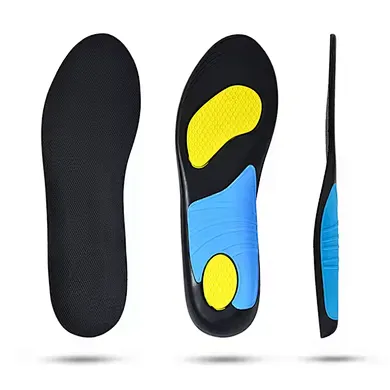
2. Basketball Insoles: Stability and Impact Protection
Basketball involves constant jumping, lateral cuts, and sudden stops, demanding insoles that offer exceptional stability and cushioning. Insoles designed for basketball typically focus on reinforcing the arch and heel to prevent rollovers and provide a secure fit inside your sneakers. They often incorporate durable, high-rebound materials that absorb shock from jumps while maintaining responsiveness for quick movements. Additionally, moisture-wicking topsheets keep your feet dry during intense play, and enhanced edge support helps you stay agile and confident on the court. If you want to elevate your game—literally and figuratively—a basketball-specific insole is a smart upgrade.
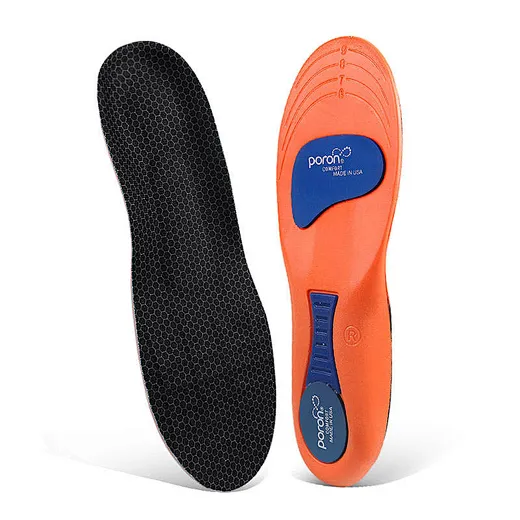
3. Soccer Insoles: Lightweight Agility and Ball Feel
Soccer requires a delicate balance between foot sensitivity for ball control and protection during sprints and tackles. Soccer insoles are typically thin, lightweight, and flexible, allowing for natural movement and a close feel of the ground and ball. They often feature low-profile cushioning in key pressure points (like the ball of the foot) without adding bulk, along with antimicrobial treatments to combat odor in cleats. Some designs also include slight arch support to maintain foot posture during prolonged play. Whether you’re a midfielder dictating play or a forward making sharp cuts, the right soccer insole can enhance your touch while keeping your feet comfortable through every half.
Investing in sport-specific insoles is a simple yet effective way to boost performance, prevent discomfort, and extend the life of your athletic footwear. Remember to consider your foot type, any existing concerns (like overpronation or high arches), and the fit inside your shoes when making your choice. Your feet will thank you—play on!


Expert Insights on Sport-Specific Foot Support
"Sport-specific insoles are not luxury items but essential equipment for serious athletes. The biomechanical demands of running, basketball, and soccer are fundamentally different, and generic foot support simply can't address these unique requirements. A proper sport-specific insole can reduce injury risk by up to 40% while improving performance metrics like agility and endurance."
"The most common mistake athletes make is using the same insoles across different sports. Running insoles lack the lateral support needed for basketball, while basketball insoles are too bulky for soccer cleats. I always recommend athletes invest in sport-specific insoles tailored to their primary activities. The performance benefits and injury prevention far outweigh the additional cost."
Frequently Asked Questions
While running insoles provide excellent forward motion support, they lack the lateral stability needed for basketball's side-to-side movements and may be too bulky for soccer cleats. For optimal performance and injury prevention, it's best to use sport-specific insoles designed for each activity.
Replacement frequency depends on usage intensity, but generally:
- Running insoles: Every 300-500 miles or 6-12 months
- Basketball insoles: Every 4-6 months with regular play
- Soccer insoles: Every 3-5 months, as cleats provide minimal inherent cushioning
Most sport-specific insoles are designed to fit standard athletic shoes in their respective categories. However, some ultra-minimalist shoes or unusually shaped footwear may not accommodate certain insoles. Always check compatibility, especially for soccer where cleat interior space is limited.
Yes, many sport-specific insoles can alleviate symptoms of common conditions like plantar fasciitis, shin splints, and metatarsalgia by providing targeted support and pressure redistribution. However, for serious medical conditions, consult with a podiatrist for custom orthotics or specific recommendations.
Not necessarily. While premium insoles often feature advanced materials and more precise engineering, many mid-range options provide excellent support for most athletes. The key is matching the insole features to your specific sport, foot type, and activity level rather than focusing solely on price.
Conclusion: Choosing the Right Insole for Your Sport
Selecting the appropriate sport-specific insole is a critical decision that impacts athletic performance, comfort, and injury prevention. Each sport places unique demands on the feet, requiring specialized support that generic insoles cannot provide.
For runners, prioritize shock absorption and gait-specific support. Basketball players need lateral stability and impact protection for jumping and landing. Soccer athletes require low-profile support that maintains ball feel while protecting against the hard surfaces of cleats.
Investing in quality sport-specific insoles tailored to your primary activities is one of the most effective ways to enhance athletic performance while safeguarding your feet and lower extremities from sport-related injuries. Remember to replace insoles regularly as their supportive properties diminish with use, and consider consulting with a sports medicine professional for personalized recommendations based on your biomechanics and activity patterns.
Your feet are the foundation of all athletic movement—give them the specialized support they deserve with properly selected sport-specific insoles.


The Daily Commute Upgrade: How Insoles Transform Your Everyday Walks
Stop Foot Fatigue: Best Insoles for Nurses, Teachers & Retail Workers