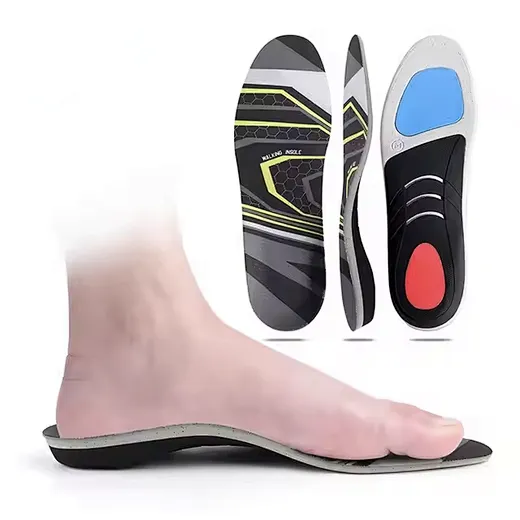
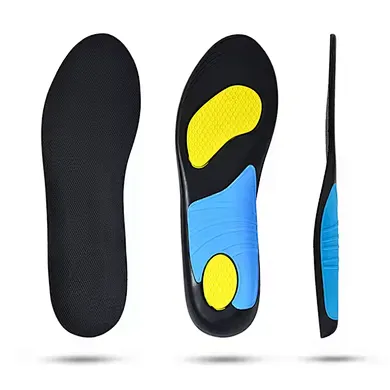
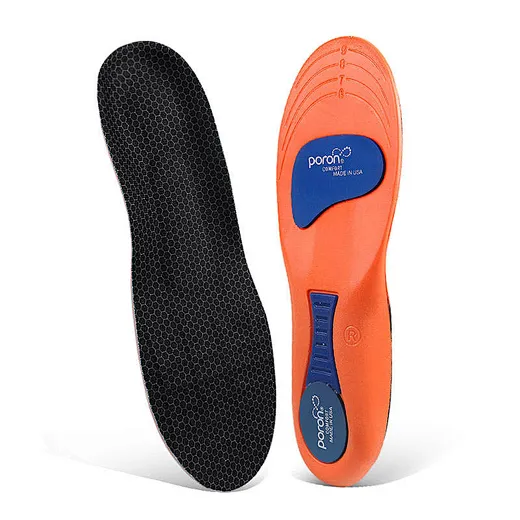
Are Soft and Comfortable Shoe Insoles Enough for Your Daily Needs?
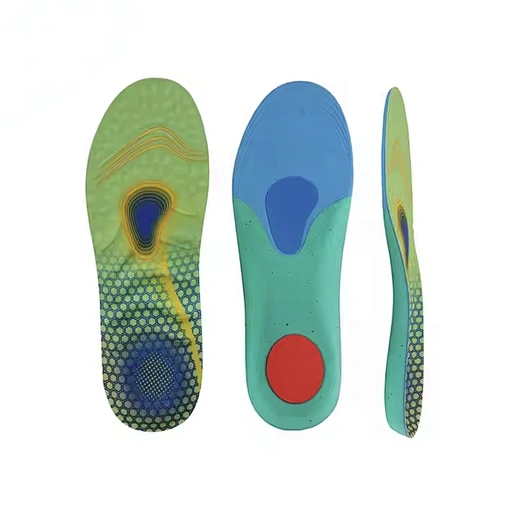
Experience lasting comfort with soft foam insoles!Our premium cushioning molds to your feet,providing lightweight support,excellent shock absorption,and all-day relief from pressure points.Perfect for walking,work,or sensitive feet needing gentle comfort.
Are Soft and Comfortable Shoe Insoles Enough for Your Daily Needs?
Table of Contents
- The Role of Soft and Comfortable Insoles
- Comfort vs. Support: Understanding the Difference
- Evaluating Your Daily Scenarios and Needs
- Expert View: When Soft Insoles Fall Short
- FAQs About Choosing the Right Insoles
- Conclusion
The Role of Soft and Comfortable Insoles
Soft and comfortable shoe insoles are designed primarily to provide immediate cushioning and relief from pressure points. Typically made from materials like **memory foam, gel, or EVA foam**, they absorb shock and reduce impact on joints during walking or standing. For many people, these insoles offer a quick fix for tired feet and minor discomfort.
However, it's essential to recognize that cushioning alone may not address underlying biomechanical issues. While they excel at providing a plush feel, they might lack the **structural support** needed for long-term foot health.
Comfort vs. Support: Understanding the Difference
What Soft Insoles Do Well
- Provide immediate cushioning for sore feet.
- Reduce friction and prevent blisters.
- Offer a cost-effective solution for general comfort.
Where They May Fall Short
- Often lack arch support to correct overpronation or supination.
- May compress quickly, losing their cushioning properties.
- Do not address alignment issues that can lead to knee, hip, or back pain.
For those seeking the perfect blend of comfort and support for their everyday footwear, our curated selection of shoe insoles offers something for every need.
First, explore our Breathable PU Insole, crafted from premium polyurethane. This model is designed for exceptional airflow, keeping your feet cool and dry throughout the day. Its lightweight and porous structure makes it an ideal choice for combating moisture and ensuring long-lasting freshness inside your shoes.
If you require more structure, our Support & Cushion Insole is the answer. It combines durable PU with advanced Orxinlite Foam, a material renowned for its responsive properties. This insole provides gentle arch support to promote proper foot alignment, while its excellent shock-absorption capabilities cushion every step, reducing fatigue and impact on your joints. It’s the perfect balance of comfort and stability for extended wear.
For ultimate softness and a secure feel, consider our TPE Comfort Insole. Made from soft, flexible Thermoplastic Elastomer, it delivers a plush, cloud-like sensation underfoot. The material’s natural non-slip and cool qualities prevent your feet from sliding, enhance grip, and help maintain a dry, comfortable environment. Its smooth texture and adaptable fit offer immediate, all-day comfort.
Each insole is designed to transform your shoes into a personalized haven of comfort. Discover which features match your lifestyle and step into a new level of daily ease.


Evaluating Your Daily Scenarios and Needs
When Soft Insoles Might Be Enough
If you have relatively neutral foot mechanics, engage in low-impact activities, or primarily seek temporary relief from occasional foot fatigue, soft insoles could suffice.
When You Need More Than Just Cushioning
1. Prolonged Standing or Walking
Jobs that require long hours on your feet demand insoles with both cushioning and structural support to prevent fatigue and injury.
2. Athletic Activities
Running, hiking, or sports require insoles that provide stability, energy return, and motion control to enhance performance and prevent overuse injuries.
3. Pre-existing Foot Conditions
Conditions like plantar fasciitis, flat feet, or bunions often require orthotic insoles with firm arch support and specific corrective features.
Expert View: When Soft Insoles Fall Short
Dr. James Wilson, a podiatrist and biomechanics specialist, explains: "While soft insoles are great for initial comfort, they are often a temporary solution. For long-term foot health, we need to consider biomechanical alignment. Many patients come to me with persistent pain because their insoles were too soft and failed to provide the necessary support to control excessive motion."
He recommends a thorough foot assessment to determine whether you need cushioning, support, or a combination of both.
FAQs About Choosing the Right Insoles
1. Can I use soft insoles if I have flat feet?
Soft insoles alone are not recommended for flat feet. Look for insoles with firm arch support to stabilize the foot and prevent overpronation.
2. How long do soft memory foam insoles last?
Typically 3-6 months with daily use, as they compress over time. Replace them when they lose their shape and cushioning.
3. Are gel insoles better than foam insoles?
Gel insoles often provide better shock absorption and may last longer, but they still may lack support. The choice depends on your primary need (cushioning vs. support).
4. Can I wear soft insoles in all my shoes?
Yes, as long as they fit without crowding your toes. However, consider activity-specific insoles for athletic or work footwear.
Conclusion
Soft and comfortable shoe insoles can be an excellent choice for immediate, general comfort, but they may not be sufficient for everyone's daily needs. Evaluate your foot type, daily activities, and any existing discomfort. If you experience persistent pain or engage in high-impact activities, consider investing in **supportive orthotic insoles** that address alignment and provide long-term solutions. Consulting a foot care professional can help you make the best choice for lasting foot health and comfort.


Gel Insoles: Are They Worth It? A Look at the Benefits and Drawbacks
The Best Insoles for Cycling: Support and Comfort on Every Ride