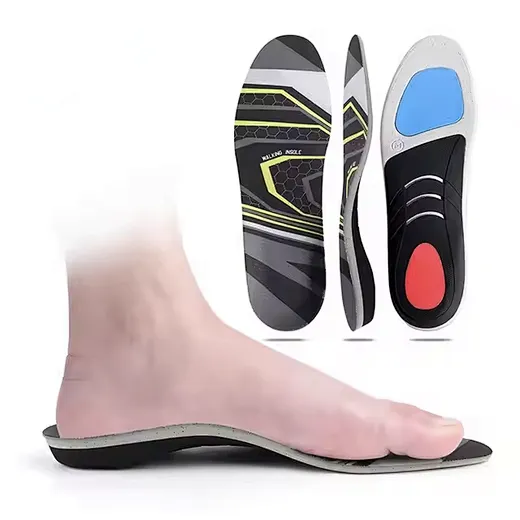
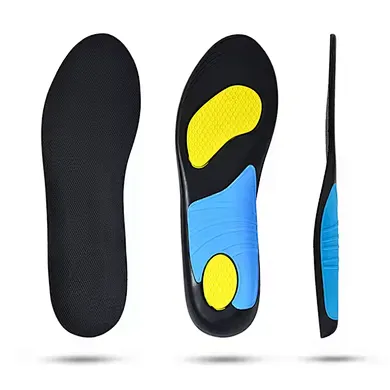
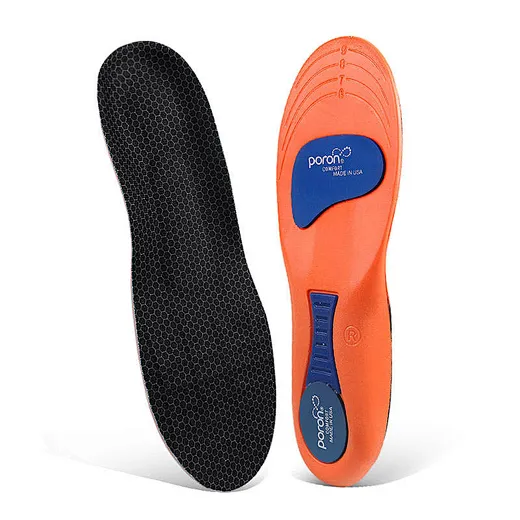
Shoe Insoles Shock Absorption: Protect Your Joints and Enhance Comfort

Experience superior comfort with shoe insoles shock absorption technology!Our premium inserts reduce impact pressure,protect joints, and minimize fatigue during walking,running,or standing.Engineered with advanced cushioning materials for all-day support.
Shoe Insoles Shock Absorption: Protect Your Joints and Enhance Comfort
Table of Contents
- The Science Behind Shock Absorption
- Key Shock-Absorbing Materials in Insoles
- Benefits of Shock-Absorbing Insoles
- Applications for Different Activities
- How to Choose the Right Shock-Absorbing Insoles
- Expert Insights on Impact Protection
- FAQs About Shock-Absorbing Insoles
- Conclusion
The Science Behind Shock Absorption
When walking, running, or jumping, your feet endure impact forces equivalent to 2-3 times your body weight. Without proper protection, this repetitive stress travels up through your joints, potentially causing:
- Plantar fasciitis (inflamed foot tissue)
- Shin splints (lower leg pain)
- Knee osteoarthritis (cartilage degeneration)
- Hip and lower back strain
Shock-absorbing insoles mitigate these risks by dissipating impact energy before it reaches your joints. They act as a protective barrier, reducing peak force concentrations by up to 40% compared to standard footwear.
Key Shock-Absorbing Materials in Insoles
1. Gel Polymers
Silicone-based gels excel at dispersing pressure points. They're ideal for heel cushioning and are often used in targeted pods within the insole structure.
2. EVA (Ethylene-Vinyl Acetate) Foam
This lightweight, resilient foam offers balanced cushioning and durability. Variants include:
Memory foam (molds to foot shape)
PU foam (higher density for longevity)
3. Polyurethane (PU) Foam
Denser than EVA, PU foam provides firmer support with excellent energy return, making it popular in athletic and work insoles.
4. Air Cushioning Systems
Some premium insoles incorporate sealed air chambers that compress under impact, offering dynamic responsiveness.
5. Cork
Natural cork insoles adapt to foot contours while providing consistent shock dispersion. They're also breathable and moisture-wicking.
Benefits of Shock-Absorbing Insoles
1. Joint Preservation
By reducing impact forces, these insoles protect ankles, knees, and hips from degenerative wear.
2. Enhanced Athletic Performance
Better energy return means improved propulsion during running or jumping sports.
3. Delayed Muscle Fatigue
Less vibration transmission helps muscles conserve energy, enabling longer endurance during activities.
4. Injury Prevention
They lower risks of stress fractures, heel bruises, and other impact-related injuries.
Applications for Different Activities
Running and Athletics
Look for insoles with forefoot and heel cushioning zones. Materials should be lightweight yet responsive.
Work and Industrial Settings
Choose firm, supportive materials like PU foam that won't compress quickly under heavy loads.
Daily Wear
Memory foam or gel insoles provide all-day comfort for walking or standing.
High-Impact Sports
Basketball, volleyball, and tennis require insoles with maximum energy return and lateral stability.
How to Choose the Right Shock-Absorbing Insoles
1. Match Material to Your Activity
Gel for targeted pressure relief, EVA for balanced cushioning, PU for durability.
2. Consider Your Weight
Heavier individuals need higher-density materials (e.g., PU) that resist bottoming out.
3. Evaluate Arch Compatibility
Ensure the insole's arch support aligns with your foot type to maintain proper biomechanics.
4. Check Breathability
Look for moisture-wicking top covers to prevent sweat buildup during high-exertion activities.
Expert Insights on Impact Protection
Dr. Robert Davis, a sports medicine specialist and biomechanics researcher, emphasizes:
"The most effective shock-absorbing insoles combine material science with biomechanical design. They shouldn't just cushion—they should guide the foot through a natural gait cycle while dissipating impact. For athletes, I recommend insoles with zoned cushioning that matches pressure maps of specific activities."
He also advises:
- Replace insoles every 300-500 miles of use as materials lose resiliency
- Combine with properly fitted shoes that have adequate midsole cushioning
- Consider custom orthotics if you have existing joint issues or unusual gait patterns
FAQs About Shock-Absorbing Insoles
1. How long do shock-absorbing insoles typically last?
Depending on material and usage: Gel inserts last 6-12 months, EVA foam 3-6 months, and PU foam 6-18 months.
2. Can shock-absorbing insoles help with existing knee pain?
Yes—by reducing impact forces transmitted to the knee joint. Studies show up to 27% reduction in knee loading with appropriate footwear modifications.
3. Are thicker insoles always better for shock absorption?
Not necessarily. Proper material selection matters more than thickness. Overly thick insoles can alter fit and stability.
4. Can I add shock-absorbing insoles to already cushioned shoes?
Yes, but ensure the combined height doesn't make the shoe too tight. Remove the existing insole if necessary.
5. Do these insoles work for all foot types?
Most accommodate various foot types, but those with severe overpronation or supination may need additional stability features.
Conclusion
Shock-absorbing insoles represent a crucial intersection of biomechanics and materials science, providing protection far beyond comfort. By understanding different materials, their applications, and the correct selection criteria, you can significantly reduce joint stress and enhance performance in a variety of activities. Remember, the most effective impact protection comes from insole technology tailored to your specific needs—whether you're an elite athlete, a factory worker, or someone seeking everyday comfort. Consult a footwear specialist or podiatrist to optimize your setup, and always prioritize high-quality materials that maintain their protective properties over time.


Best Shoe Inserts for Shock Absorption: Protect Your Joints and Enhance Comfort
Thin Insoles: The Complete Guide to Low-Profile Comfort and Support