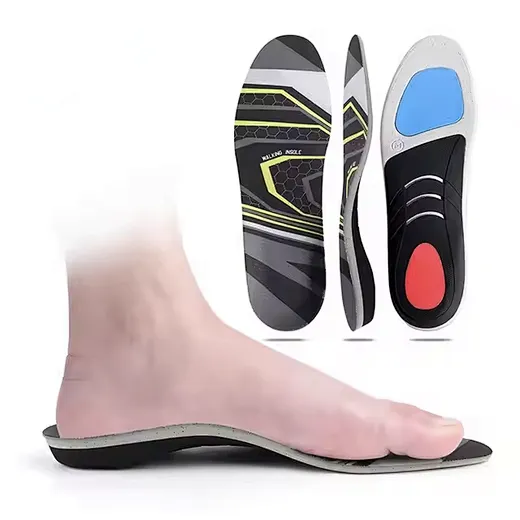
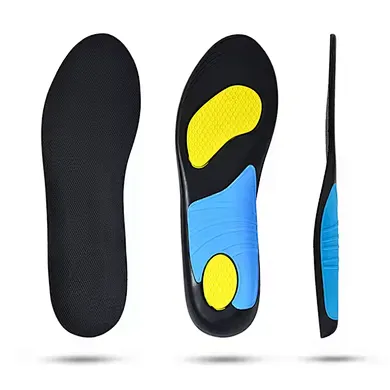
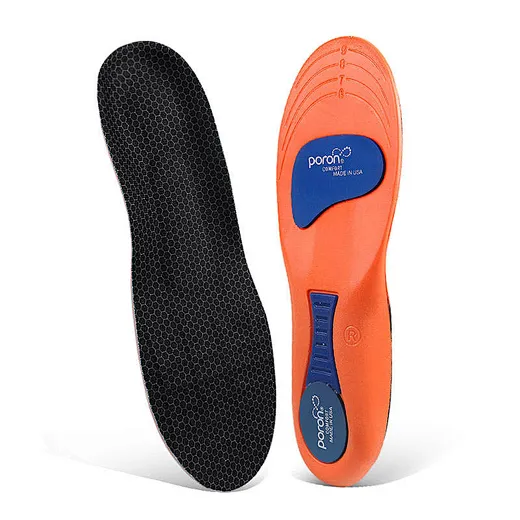
Casual Shoe Insoles: Ultimate Guide for Daily Comfort. Transform Your Everyday Shoes with the Right Insoles for Maximum Comfort and Support

Relieve discomfort with shoe inserts for standing all day! Designed to provide arch support, cushioning, and improved posture on hard surfaces. Ideal for healthcare, retail, and service industry professionals seeking lasting comfort during long shifts.
Casual Shoe Insoles: Ultimate Guide for Daily Comfort
Transform Your Everyday Shoes with the Right Insoles for Maximum Comfort and Support
Table of Contents
Why Casual Shoes Need Insoles
Most casual shoes come with basic, minimally supportive insoles that wear out quickly and fail to provide adequate comfort for daily wear. Whether you're walking to work, running errands, or spending the day on your feet, quality insoles can transform your experience.
The average person takes 5,000-7,000 steps per day in casual footwear, and each step creates impact forces that travel through your feet to your joints. Without proper support, this can lead to:
- Foot fatigue and soreness by the end of the day
- Arch strain and plantar fasciitis symptoms
- Joint discomfort in ankles, knees, and hips
- Poor posture from inadequate support
Casual shoe insoles aren't just for people with foot problems—they're preventative tools that can help maintain foot health and comfort for everyone.
Key Benefits of Casual Shoe Insoles
Enhanced Comfort Throughout the Day
Premium cushioning materials absorb shock and reduce pressure points, allowing you to stay on your feet longer without discomfort.
Improved Arch Support
Contoured arch supports maintain proper foot alignment, reducing strain on muscles and ligaments for both high and flat arches.
Better Shock Absorption
Advanced materials like EVA foam, gel, and memory foam dissipate impact forces before they reach your joints.
Temperature and Moisture Control
Breathable materials and moisture-wicking technologies keep feet dry and comfortable in all-day wear situations.
Extended Shoe Lifespan
Quality insoles protect your shoes' original footbeds from wear and compression, saving you money in the long run.
Types and Materials of Casual Insoles
Primary Materials
EVA Foam Insoles
Lightweight and affordable, EVA foam provides excellent cushioning and is available in various densities for different support levels.
Gel Insoles
Ideal for maximum shock absorption, gel insoles are particularly effective for heel and ball-of-foot pain relief.
Memory Foam Insoles
Molds to your foot shape for personalized comfort, though may compress faster than other materials.
Cork Insoles
Natural and eco-friendly, cork provides firm support and naturally conforms to your foot over time.
Leather Insoles
Offer breathability and durability with a premium feel, though typically less cushioning than foam options.
Specialized Insole Types
Arch Support Insoles
For those with flat feet or high arches
Cushioning Insoles
For shock absorption on hard surfaces
Orthotic Insoles
For medical conditions and proper alignment
Thin Profile Insoles
For tight-fitting shoes with minimal space
When selecting shoe inserts, it is essential to consider the usage scenario, foot condition, and shoe style. Individuals with foot concerns such as flat feet or plantar fasciitis should opt for corrective inserts. For those who engage in sports or spend long hours standing, inserts that provide both arch support and cushioning are recommended. When it comes to formal shoes, thin and lightweight inserts are preferable to maintain the shoe's original fit and sleek appearance.


Choosing the Right Insoles for Your Needs
Assess Your Foot Type
Understanding your arch type is crucial. Perform the wet test: wet your foot and step on a piece of cardboard to see your footprint pattern.
For Flat Feet
Choose firm arch support with motion control features to prevent overpronation.
For High Arches
Look for cushioned arch support and enhanced shock absorption.
For Neutral Arches
Most standard cushioning insoles will work well for maintenance and comfort.
Consider Your Daily Activities
Active professionals may need different support than those with sedentary lifestyles. Match the insole to your typical daily movement patterns.
Check Your Shoe Compatibility
Ensure the insoles will fit properly in your shoes without crowding the toe box or altering the fit too much.
Expert Advice on Daily Foot Comfort
"Many people underestimate the impact of daily footwear on their overall foot health. Casual shoe insoles are not just an accessory—they're essential components for maintaining proper biomechanics throughout your daily activities. I recommend replacing insoles every 6-12 months, or sooner if you notice compression or wear patterns."
Dr. Rebecca Simmons
Podiatrist and Sports Medicine Specialist
15+ years of clinical experience
Professional Recommendations:
- Gradually break in new insoles over 3-5 days to allow your feet to adjust
- Rotate multiple pairs of insoles between different shoes to extend their lifespan
- Clean insoles regularly with mild soap and water to maintain hygiene
- Consider seasonal changes - you may need different insoles for summer vs. winter footwear
- Listen to your feet - discomfort is a sign that your current insoles may not be adequate
Pro Tip:
For the best results, remove the original insoles from your shoes before inserting new ones, unless they're specifically designed to be worn over existing footbeds.
FAQs About Casual Shoe Insoles
How do I know when to replace my casual shoe insoles?
Look for these signs: visible wear or compression, loss of cushioning, unpleasant odors that don't wash out, or when you start experiencing renewed foot discomfort. Most quality insoles last 6-12 months with daily use.
Can I use the same insoles in different pairs of shoes?
Yes, as long as they fit properly in each shoe without causing crowding. However, for optimal performance and hygiene, it's better to have dedicated insoles for each frequently worn pair of shoes.
Are expensive insoles always better than affordable ones?
Not necessarily. While premium materials and advanced technologies often justify higher prices, many affordable insoles provide excellent comfort for casual daily use. Focus on features that match your specific needs rather than price alone.
Do casual shoe insoles help with back pain?
Yes, indirectly. By improving foot alignment and shock absorption, quality insoles can reduce strain that travels up through your joints to your back. Many people experience reduced lower back discomfort when using proper insoles.
Can I trim insoles to fit my shoes?
Most insoles are designed to be trimmed for custom fit. Follow the manufacturer's guidelines and use sharp scissors, cutting along the provided guidelines if available. Always trim conservatively—you can cut more if needed, but you can't add material back.
Conclusion
Investing in quality casual shoe insoles is one of the simplest yet most effective ways to enhance your daily comfort and foot health. Whether you prioritize cushioning, arch support, or moisture control, the right insoles can transform your everyday shoes into supportive, comfortable companions for all your daily activities.
Remember that foot comfort directly impacts your overall wellbeing and productivity. Take the time to assess your needs, try different options, and don't hesitate to consult with a foot care professional if you have specific concerns or conditions.


The Best Candidates for Cushioned Insoles: Who Needs Them Most? Discover how cushioned insoles can transform comfort, performance, and foot health for these specific groups
Are Performance Insoles Only for Athletes? The Truth Revealed Discover How High-Tech Shoe Inserts Benefit Everyone From Office Workers to Weekend Warriors