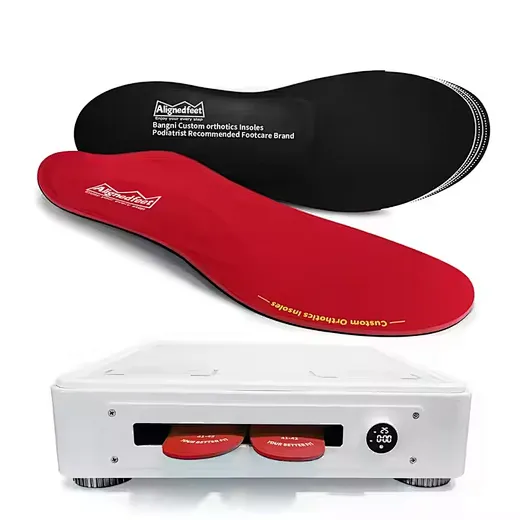
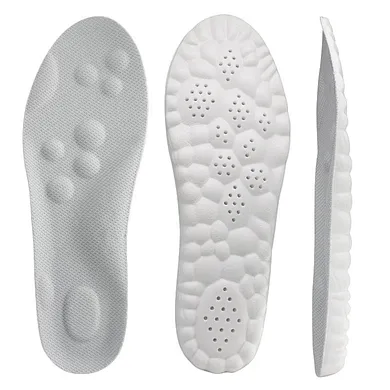
Everyday Foot Care: Why Insoles Might Be Worth Your Investment? Discover how quality insoles can transform your daily comfort and long-term foot health
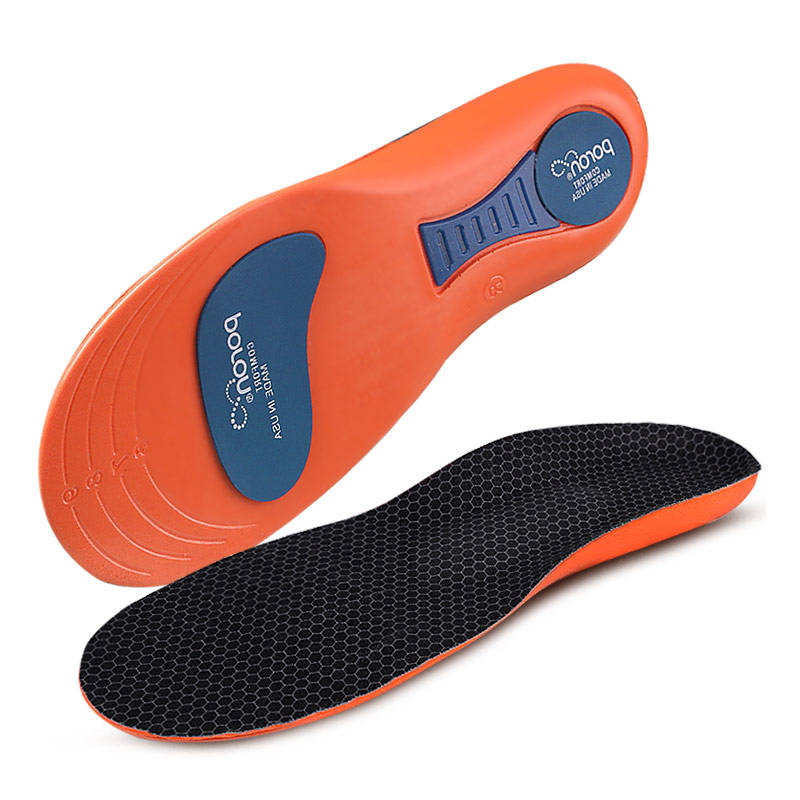
Discover effective relief with shoe inserts for foot pain. Our therapeutic orthotics provide targeted arch support, cushioning, and alignment to address plantar fasciitis, heel pain, and general discomfort for improved daily mobility and comfort.
Everyday Foot Care: Why Insoles Might Be Worth Your Investment
Discover how quality insoles can transform your daily comfort and long-term foot health
Table of Contents
The Daily Challenges Our Feet Face
Our feet are engineering marvels, handling tremendous stress daily. The average person takes 8,000-10,000 steps per day, accumulating immense pressure over time. Common daily challenges include:
- Hard surfaces like concrete and tile that offer no natural shock absorption
- Improper footwear with inadequate arch support or cushioning
- Repetitive strain from standing or walking for extended periods
- Biomechanical issues like overpronation or supination
- Weight distribution problems leading to pressure points
Without proper support, these daily challenges can lead to plantar fasciitis, heel spurs, metatarsalgia, and other painful conditions that affect not just your feet, but your entire kinetic chain.
What Insoles Really Do for Everyday Comfort
Quality insoles provide crucial cushioning that hard surfaces and standard shoe soles lack, reducing impact on joints by up to 30%.
Proper arch support maintains natural foot alignment, preventing strain on ligaments and tendons throughout the day.
Insoles evenly distribute body weight, eliminating pressure points that cause pain and fatigue.
They address gait abnormalities, improving overall posture and reducing strain on knees, hips, and back.
Did You Know?
Research shows that wearing supportive insoles can reduce foot fatigue by 40% and increase standing/walking tolerance by significant margins, making them particularly valuable for professions requiring prolonged standing.
The Investment Breakdown: Cost vs. Benefits
Short-Term Costs
Quality insoles typically range from $20-$150, depending on materials and customization. While this might seem like an added expense, consider the alternatives:
- Medical treatments for foot conditions: $500-$5,000+
- Lost productivity due to foot pain: Priceless
- Reduced activity and quality of life: Immeasurable
Long-Term Value
The real value of insoles lies in preventive care. By addressing issues before they become serious, insoles can:
- Extend the life of your shoes by providing better support
- Reduce wear and tear on your joints
- Prevent costly medical interventions down the line
- Maintain your active lifestyle as you age
Choosing the Right Insoles for Your Lifestyle
For Office Workers
Look for dress shoe insoles that are slim, provide moderate arch support, and have moisture-wicking properties for all-day wear.
For Healthcare/Service Professionals
Prioritize maximum cushioning, shock absorption, and arch support to handle long hours on hard floors.
For Active Lifestyles
Choose sport-specific insoles with firm support, breathable materials, and enhanced stability features.
For Existing Foot Conditions
Consider custom orthotics or prescription insoles designed to address specific biomechanical issues.
Always measure your feet at the end of the day when they're slightly swollen from daily activity, as this represents their maximum size during wear.


Both insoles are expertly designed to offer gentle arch support combined with exceptional cushioning and shock absorption. Whether you're managing mild foot concerns or simply seeking all-day comfort for daily wear and various physical activities, they provide lasting relief and reliable foot protection—helping you move with ease, whether you're walking or working out.
Expert Insights on Preventive Foot Care
Dr. Rebecca Warren, DPM
Board-Certified Podiatrist & Sports Medicine Specialist
15+ years experience in preventive foot care
Expert Recommendations:
- Replace insoles every 6-12 months or when cushioning compresses
- Start with over-the-counter options before considering custom orthotics
- Combine insoles with proper footwear and regular foot exercises
- Listen to your body—early intervention prevents chronic issues
FAQs About Everyday Insole Use
How do I know if I need insoles?
Common signs include frequent foot fatigue, heel or arch pain, shoes wearing out unevenly, or discomfort that starts in your feet but travels to your knees, hips, or back. If you stand or walk for more than 4 hours daily, insoles are likely beneficial.
Can I use the same insoles in all my shoes?
While possible, it's better to have shoe-specific insoles for different activities. Dress shoes need slim profiles, athletic shoes require sport-specific support, and work shoes need maximum cushioning for hard surfaces.
Are expensive custom orthotics worth it?
For people with specific medical conditions or severe biomechanical issues, custom orthotics can be invaluable. However, most people find excellent results with high-quality over-the-counter options that cost significantly less.
How long does it take to adjust to new insoles?
Most people need a break-in period of 3-7 days. Start by wearing them for a few hours daily, gradually increasing wear time. Minor initial discomfort is normal as your feet adjust to proper alignment.
Can insoles help with back pain?
Absolutely. Since your feet are the foundation of your body's alignment, proper support can correct posture issues that contribute to lower back pain. Many users report significant back pain reduction after using supportive insoles consistently.
Conclusion: Stepping Toward Better Foot Health
Investing in quality insoles isn't just about temporary comfort—it's about long-term foot health and overall wellbeing. With the average person taking millions of steps each year, providing proper support is one of the most effective forms of preventive self-care.
The modest investment in good insoles pays dividends through reduced pain, increased activity, prevented injuries, and enhanced quality of life. Your feet carry you through every moment of your life—they deserve the best support you can provide.


Can Flat Feet or Fallen Arches Cause Lower Back Pain? A Complete Guide
How to Fix Fallen Arches: A Comprehensive Guide to Treatment and Relief