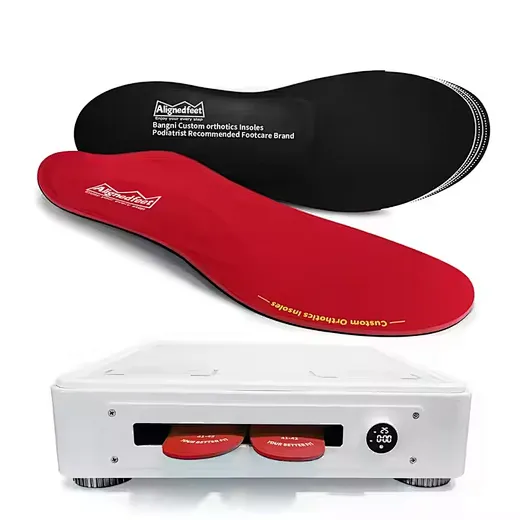
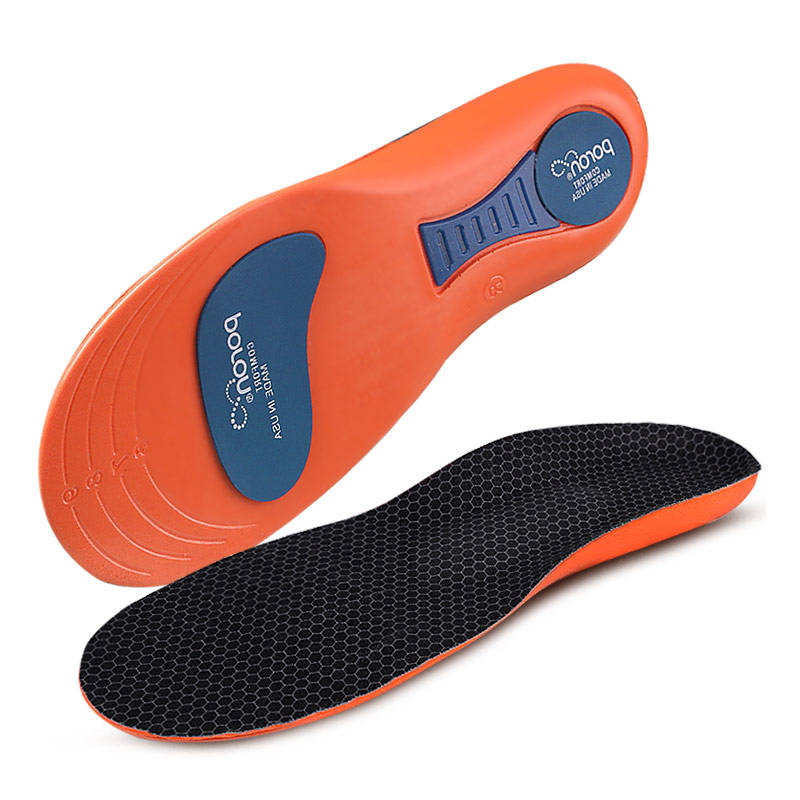
Shoe Insoles Replacement: When and Why It Matters for Foot Health
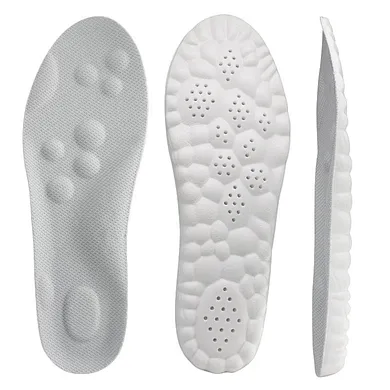
A supportive shoe footbed enhances fit, comfort,and alignment by cradling your foot's natural arch.This interior sole layer provides cushioning, stability, and impact absorption for walking, standing, or athletic activities, improving overall foot health.
Shoe Insoles Replacement: When and Why It Matters for Foot Health
Table of Contents
- The Critical Role of Shoe Insoles
- How Insoles Degrade Over Time
- When to Replace Your Shoe Insoles: Key Indicators
- Consequences of Delaying Replacement
- Choosing the Right Replacement Insoles
- Expert Insights on Insole Maintenance
- Frequently Asked Questions (FAQs)
- Conclusion: A Step Toward Lasting Foot Health
The Critical Role of Shoe Insoles
Shoe insoles, often overlooked, are the foundational interface between your feet and your footwear. Their primary functions are multifaceted and essential for long-term comfort and biomechanical health. They provide targeted arch support to maintain the foot's natural alignment, preventing issues like overpronation or supination. Furthermore, they offer crucial shock absorption, cushioning the impact of each step on hard surfaces, which protects not only the feet but also the knees, hips, and lower back. Quality insoles also aid in pressure redistribution, alleviating stress on sensitive areas such as the heels and balls of the feet, and they enhance overall stability and balance. Treating insoles as a disposable, wear-and-tear component is key to preserving these benefits.
How Insoles Degrade Over Time
Regardless of their initial quality, all insoles succumb to the relentless forces of weight, friction, and moisture. The supportive materials, such as EVA foam, memory foam, or gel polymers, gradually compress and lose their rebound capacity. This compression is often uneven, leading to a breakdown in the structural integrity that provides arch support. The top cover, designed for comfort and moisture-wicking, can become thin or develop holes, reducing its protective barrier. In damp environments or with consistent use, the insole's core may also harbor bacteria and odors, diminishing its hygienic properties. This gradual degradation is subtle but significant, as the insole quietly transitions from a protective asset to a passive, ineffective liner.
Why Worn-Out Insoles Are More Dangerous Than You Think
We often replace our shoes when the outsoles look worn, but what about the insoles? Over time, insoles break down invisibly, losing their ability to protect and support your feet. This isn’t just about comfort—it can lead to real physical strain and injury. The risks vary depending on the material.
EVA (Ethylene-Vinyl Acetate)
Lightweight and cushiony, EVA is common in athletic and casual footwear. However, with repeated compression, EVA breaks down and loses its resilience. Once compacted, it no longer absorbs shock effectively, transferring more impact to your joints. This can contribute to knee pain, shin splints, and general fatigue, especially for runners or those who stand for long periods.
PU (Polyurethane)
PU insoles are denser and more durable than EVA, offering better long-term support. But when PU ages, it tends to harden and crack rather than compress. This reduces cushioning and creates uneven pressure points under the foot. The result? Discomfort, calluses, and an increased risk of conditions like plantar fasciitis due to lack of proper arch and heel support.
Gel Insoles
Gel inserts are popular for their superior shock absorption and comfort. Yet gel materials can degrade over time—they may dry out, leak, or shift within their pockets. When this happens, the distribution of pressure becomes uneven, which can alter your gait and balance. This imbalance not only causes foot pain but may also lead to ankle, hip, or even back problems over time.
The Bottom Line
No matter the material, an aged insole fails to perform its essential roles: cushioning impact, stabilizing your foot, and maintaining proper alignment. If you’ve been experiencing unexplained foot, knee, or back discomfort, it might be time to check your insoles. Replacing them regularly—every 6 to 12 months depending on use—is a simple yet effective step toward long-term foot health and overall well-being.


When to Replace Your Shoe Insoles: Key Indicators
1. Visual and Tactile Wear
Regular inspection is your first line of defense. Look for visible signs like flattened cushioning, especially under the heel and forefoot. Creases, cracks, or a noticeable thinning of the material are clear red flags. If the insole has lost its original shape and contours, it can no longer perform its intended function.
Check the Arch Support
Press your thumb firmly into the arch area. If it collapses easily with minimal resistance, the supportive structure is compromised. A robust arch should offer firm, resilient support.
2. Physical Discomfort and Pain
Your body often signals the need for replacement before visual cues become obvious. The onset of new or worsening foot pain—such as heel soreness, arch fatigue, or pain in the ball of the foot—is a primary indicator. You might also experience general foot tiredness much earlier in the day than usual, or notice increased soreness in your knees or lower back after routine activity.
3. General Time and Usage Guidelines
While indicators vary, general timelines based on activity level provide a good framework:
- Active individuals / Athletes (daily use): Replace every 3-6 months.
- Regular everyday use: Replace every 6-12 months.
- Casual or occasional use: Replace every 12-18 months.
Consider these factors that accelerate wear: higher body weight, more intense physical activity, exposure to moisture, and the natural quality of the insole material.
Consequences of Delaying Replacement
Persisting with worn-out insoles is an investment in future discomfort and potential injury. The lack of proper shock absorption forces excessive impact to travel up the kinetic chain, potentially leading to stress-related injuries in the feet (like plantar fasciitis or metatarsalgia), shins, knees, and hips. Compromised arch support can cause or exacerbate abnormal foot motions like overpronation, leading to tendon strain and joint misalignment. Furthermore, worn insoles can alter your gait subconsciously as you seek comfort, creating muscle imbalances. The loss of protective cushioning also increases the risk of blisters, calluses, and hot spots due to increased friction and pressure points.
Choosing the Right Replacement Insoles
Replacement is an opportunity to upgrade your foot health. Start by identifying your primary need: Is it maximum cushioning for hard floors, rigid arch support for overpronation, or moisture management for active use? Determine your arch type (neutral, high, or low) to select appropriate support. For specific pain points like plantar fasciitis, look for insoles with a deep heel cup and robust arch. Ensure the new insole is compatible with your shoe's volume—a thick, high-performance insole may not fit in a snug dress shoe. Many brands offer models tailored for specific activities like running, work boots, or casual wear.
Expert Insights on Insole Maintenance
Dr. Anya Sharma, a board-certified podiatrist, emphasizes the proactive role of insoles: "Think of insoles as the consumable tires of your footwear system. We regularly check and replace car tires for safety and performance; our insoles deserve the same attention. A worn insole fails to provide the biomechanical control necessary for injury prevention. I advise patients to mark their calendar for a semi-annual insole check-up. For active patients, I often recommend rotating between two pairs of high-quality insoles to extend the life of each and ensure one is always dry and supportive."
Frequently Asked Questions (FAQs)
Can I just wash my old insoles instead of replacing them?
Cleaning can address surface odor and hygiene, but it cannot restore the compressed cushioning or broken-down support structure. Washing may slightly accelerate the breakdown of some materials. It is a maintenance practice, not a substitute for replacement.
Are expensive orthotic insoles replaceable?
Yes, even custom orthotics have a lifespan, typically 12-24 months, depending on use. The shell may last, but the top covers and cushioning layers wear out. Consult your podiatrist about refurbishment or replacement protocols for your specific orthotics.
My shoes still look new. Do I really need new insoles?
Absolutely. The shoe's exterior (upper and outsole) often outlasts the interior cushioning and support. The insole is the first component to degrade from direct pressure and sweat.
How can I make my new insoles last longer?
To extend lifespan, rotate your shoes to allow insoles to air out and recover between uses. Use moisture-wicking socks, remove insoles to air dry after sweaty or wet use, and spot clean them gently instead of machine washing.
Conclusion: A Step Toward Lasting Foot Health
Regular shoe insoles replacement is not an unnecessary expense but a critical, cost-effective investment in your musculoskeletal well-being. By vigilantly monitoring for signs of wear, adhering to sensible replacement timelines, and selecting insoles that match your physiological needs and activity patterns, you proactively safeguard against pain and injury. Your feet are the foundation of your movement; providing them with consistent, effective support through fresh insoles is a simple yet profoundly impactful step toward maintaining comfort, performance, and long-term health in every walk of life.


Stop Back Pain from the Ground Up: The Critical Link Between Foot Support and Spine Health
Can Flat Feet or Fallen Arches Cause Lower Back Pain? A Complete Guide