How to Fix Fallen Arches: A Comprehensive Guide to Treatment and Relief

Discover how to fix fallen arches with supportive solutions. Corrective insoles provide arch support, improve alignment, and reduce pain through consistent wear. Learn about orthotic options, exercises, and proper footwear for lasting relief and better foot health.
How to Fix Fallen Arches: A Comprehensive Guide to Treatment and Relief
Table of Contents
Understanding Fallen Arches
Fallen arches, medically known as pes planus, is a condition where the arches of the feet collapse, causing the entire sole to come into contact with the ground. While some people are born with flat feet, others develop the condition over time due to various factors. Understanding the nature of this condition is the first step toward effective treatment.
There are two main types of flat feet:
- Flexible flat feet: The arch is visible when sitting or on tiptoes but disappears when standing.
- Rigid flat feet: The arch is absent regardless of position, often indicating a more serious structural issue.
Causes and Risk Factors of Fallen Arches
Several factors can contribute to the development of fallen arches:
Genetic Predisposition
Some individuals are born with a natural tendency toward flat feet due to inherited foot structure.
Aging and Wear
As we age, the posterior tibial tendon that supports the arch can weaken, leading to gradual collapse.
Injury and Trauma
Foot or ankle injuries can damage the structures that maintain the arch, resulting in fallen arches.
Medical Conditions
Conditions like rheumatoid arthritis, diabetes, and obesity can increase the risk of developing flat feet.
Pregnancy
Hormonal changes and increased weight during pregnancy can temporarily or permanently affect arch support.
Recognizing the Symptoms of Fallen Arches
Identifying fallen arches early can prevent complications. Common symptoms include:
Foot Pain and Discomfort
Pain typically concentrates in the arch area, heel, or ankle, especially after prolonged standing or physical activity.
Swelling
The inside of the ankle may appear swollen due to inflammation of the posterior tibial tendon.
Foot Fatigue
Even moderate activity can cause unusual tiredness in the feet and legs.
Altered Gait
Changes in walking pattern may develop as the body compensates for the lack of arch support.
The Role of Insoles in Treating Fallen Arches
Orthotic insoles play a crucial role in managing and improving fallen arches by providing the support that the feet naturally lack.
How Insoles Help
Specially designed insoles work by:
Providing Arch Support
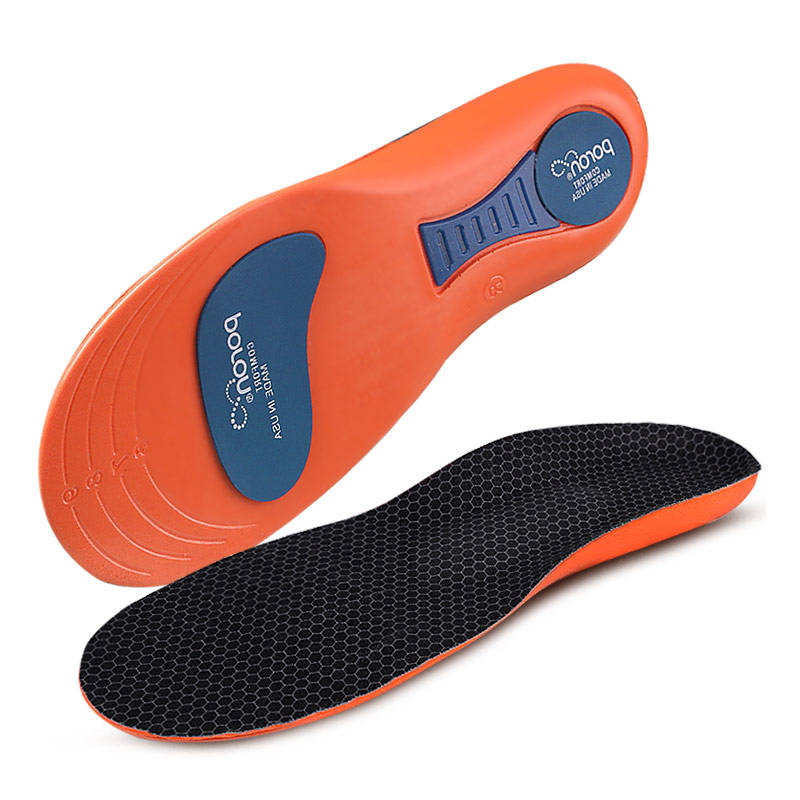
Quality insoles offer structured arch support that helps redistribute pressure evenly across the foot.
Improving Alignment
They help correct foot positioning, which can alleviate stress on ankles, knees, and hips.
Shock Absorption
Cushioned insoles reduce impact during walking or running, minimizing discomfort.
Stabilizing the Foot
By supporting the arch, insoles prevent overpronation (excessive inward rolling of the foot).
Types of Insoles for Fallen Arches
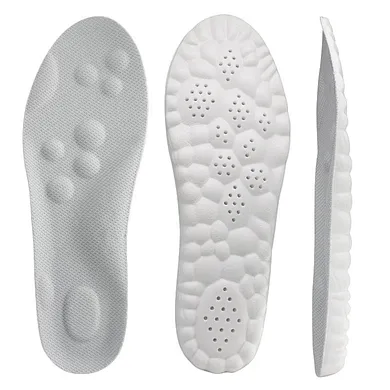
Over-the-Counter Insoles
These provide general arch support and are suitable for mild to moderate cases of fallen arches.
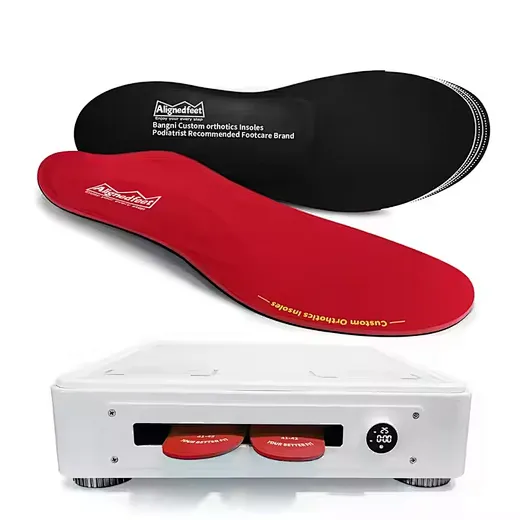
Custom Orthotics
Prescribed by podiatrists, these are tailored to your specific foot structure and offer the highest level of support.
Rigid vs. Soft Insoles
Rigid insoles provide maximum support for severe cases, while softer options offer comfort for mild conditions.
How to Choose the Right Insoles for Fallen Arches
Selecting appropriate insoles is critical for effective treatment. Consider these factors:
Arch Type and Severity
Assess the degree of your arch collapse to determine whether you need mild, moderate, or high arch support.
Material Quality
Look for insoles made from durable, supportive materials like EVA foam, gel, or carbon fiber.
Footwear Compatibility
Ensure the insoles fit properly in your shoes without crowding the toe box or altering the fit.
Activity Specificity
Choose insoles designed for your primary activities—whether running, walking, or standing for long periods.
Additional Treatment Approaches for Fallen Arches
While insoles are fundamental, a comprehensive approach yields the best results:
Physical Therapy and Exercises
Targeted exercises can strengthen foot muscles and improve arch support over time.
Recommended Exercises:
- Toe curls and spreads to enhance intrinsic foot muscle strength
- Calf stretches to relieve tension in the posterior chain
- Arch lifts to actively engage and strengthen the arch
Proper Footwear Selection
Shoes with adequate arch support, cushioning, and stability features complement insole therapy.
Weight Management
Maintaining a healthy weight reduces stress on the feet and can prevent further arch collapse.
Medical Interventions
In severe cases, treatments may include anti-inflammatory medications, corticosteroid injections, or surgery.
Expert Advice on Fallen Arches
Dr. Sarah Johnson, a renowned podiatrist specializing in foot biomechanics, emphasizes:
"Early intervention is key when dealing with fallen arches. Many patients wait until they experience significant pain before seeking treatment, but addressing the issue proactively can prevent long-term complications. I recommend a combination of supportive insoles and targeted exercises for most patients with acquired flat feet."
Dr. Johnson also advises:
- "Don't underestimate the importance of proper footwear. Even the best insoles won't be effective in unsupportive shoes."
- "Be consistent with your treatment plan. Wearing insoles sporadically won't provide the structural support needed for improvement."
- "Listen to your body. If you experience increased pain after starting a new treatment, consult a specialist."
Frequently Asked Questions About Fallen Arches
Can fallen arches be reversed?
In adults, complete reversal is unlikely, but significant improvement in symptoms and function is achievable with proper treatment. In children, early intervention can sometimes correct the condition entirely.
How long does it take to see improvement with insoles?
Most people experience relief within a few weeks of consistent use. Maximum benefits typically appear after 2-3 months as the feet adjust to proper alignment.
Are custom orthotics worth the investment?
For moderate to severe cases, custom orthotics often provide superior results compared to over-the-counter options. They're specifically designed for your foot structure and gait pattern.
Can exercises alone fix fallen arches?
While exercises are beneficial for strengthening supporting muscles, they're typically most effective when combined with orthotic support, especially in established cases.
Is surgery necessary for fallen arches?
Surgery is generally considered only when conservative treatments have failed and the patient experiences severe pain or mobility issues. Most people find relief through non-surgical methods.
Can I use the same insoles in all my shoes?
Ideally, you should have dedicated insoles for different shoe types (athletic, casual, dress) to ensure proper fit and function in each footwear category.
Conclusion
Fallen arches can significantly impact quality of life, but with the right approach, effective management is achievable. Orthotic insoles play a fundamental role in treatment by providing necessary support, improving alignment, and reducing discomfort. When combined with appropriate exercises, proper footwear, and professional guidance, most individuals with fallen arches can experience substantial improvement in their symptoms.
Remember that consistency is crucial—regular use of supportive insoles and adherence to your treatment plan will yield the best results. If you suspect you have fallen arches, consult a podiatrist or foot specialist for an accurate diagnosis and personalized treatment recommendations tailored to your specific needs.
Taking proactive steps today can lead to pain-free movement and improved foot health for years to come.


Everyday Foot Care: Why Insoles Might Be Worth Your Investment? Discover how quality insoles can transform your daily comfort and long-term foot health
Fallen Arches vs. Plantar Fasciitis: Understanding the Difference and Finding Relief