Flat Feet Arch Support: How to Choose Corrective Shoe Inserts
Discover effective shoe inserts for flat feet designed to alleviate discomfort. These orthotic supports improve arch structure, enhance alignment, and distribute pressure evenly to reduce fatigue during walking or standing.
Flat Feet Arch Support: How to Choose Corrective Shoe Inserts
Table of Contents
- Understanding Flat Feet and Its Challenges
- The Role of Corrective Shoe Inserts
- Key Features to Look for in Arch Support Inserts
- Types of Arch Support Inserts for Flat Feet
- Step-by-Step Guide to Choosing Your Inserts
- Expert Advice on Arch Support Management
- Frequently Asked Questions About Flat Feet Inserts
- Conclusion
Understanding Flat Feet and Its Challenges
Flat feet, medically known as pes planus, is a common condition where the arches of the feet collapse, causing the entire sole to make contact with the ground. This condition can be congenital or develop over time due to factors like aging, injury, or prolonged stress on the feet.
Individuals with flat feet often experience a range of symptoms including foot fatigue, arch or heel pain, swelling along the inner ankle, and discomfort that extends to the knees, hips, or lower back. The lack of proper arch support disrupts natural foot biomechanics, leading to overpronation where the ankles roll inward excessively during movement.
Addressing flat feet is crucial not only for foot comfort but also for maintaining overall musculoskeletal alignment. Without intervention, the condition can contribute to secondary issues such as plantar fasciitis, shin splints, and chronic joint pain.
The Role of Corrective Shoe Inserts
Corrective shoe inserts, often called orthotic insoles, are specifically designed to compensate for the structural deficiencies of flat feet. Their primary purpose is to provide artificial arch support, thereby restoring proper foot alignment and function.
These inserts work by:
- Lifting and supporting the collapsed arch to redistribute pressure evenly across the foot.
- Controlling excessive inward motion (overpronation) to stabilize the foot during the gait cycle.
- Absorbing shock to reduce impact forces transmitted to the joints.
- Improving overall foot posture, which can alleviate strain on the ankles, knees, and back.
By integrating these inserts into daily footwear, individuals with flat feet can experience significant relief from pain and fatigue, while also preventing the progression of associated complications.
Key Features to Look for in Arch Support Inserts
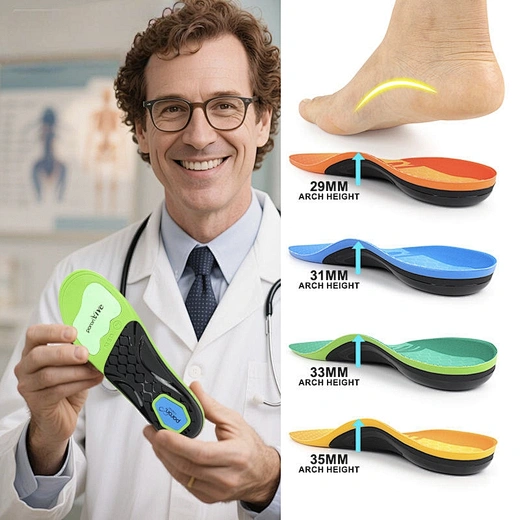
When dealing with flat feet (fallen arches), finding the right support is crucial for comfort, alignment, and long-term foot health. A quality corrective shoe insert can make a significant difference by providing the structured support your feet lack naturally. Here’s a breakdown of the five essential features to consider, each represented by a top recommendation that excels in that specific area.
1. Customizable Arch Height
For those whose flat feet vary in severity or who need a precise fit, inserts with adjustable or multiple arch height options are invaluable. Look for models that offer different arch profiles (low, medium, high) or even customizable kits with removable pads. This allows you to tailor the support to your unique foot contour, ensuring optimal biomechanical alignment and pressure distribution without overcorrecting.
2. Lightweight, Responsive Material
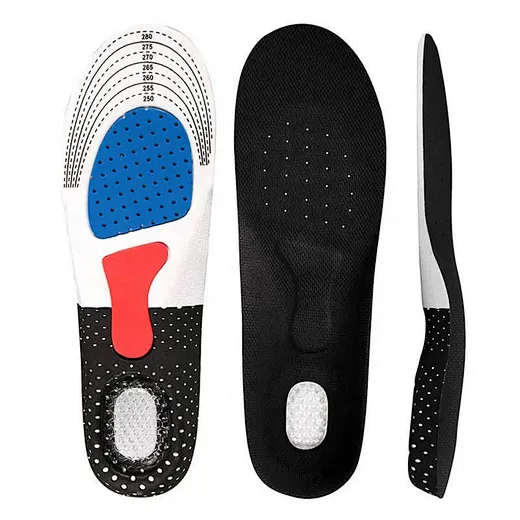
Comfort and energy return are paramount for all-day wear. Inserts crafted from advanced, lightweight materials like dual-density foam, proprietary polymers, or responsive EVA provide cushioning without bulk. These materials absorb impact effectively while remaining flexible enough to work with your natural gait cycle, making them ideal for active use or all-day standing.
3. Stabilizing Heel Cup
A deep, firm heel cup is a non-negotiable feature for stabilizing the rearfoot. This design cradles the heel, preventing excessive inward rolling (overpronation) and ensuring proper alignment from the ground up. A reinforced heel counter enhances this stability, reducing strain on the ankles, knees, and lower back—a critical benefit for flat-footed individuals.
4. Strategic 3/4 Length Design
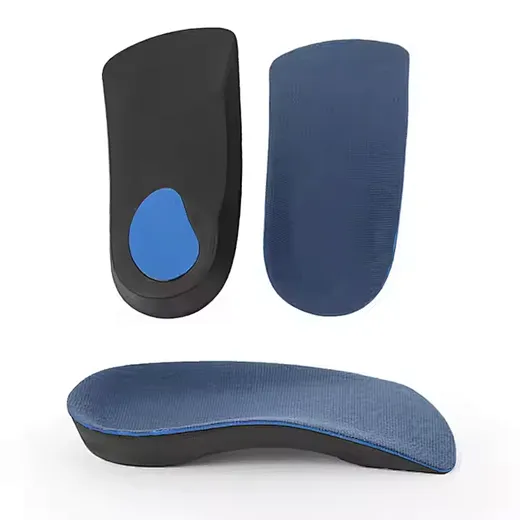
Sometimes, full-length support isn't necessary or compatible with your footwear. 3/4 length inserts (also called three-quarter or trim-to-fit) offer focused arch and heel support while leaving room in the toe box. This design prevents crowding in shoes like dress flats, loafers, or athletic footwear, delivering essential correction without altering the shoe's intended fit in the forefoot.
5. Enhanced Breathability & Moisture Management
For foot health and comfort, especially in warmer climates or during physical activity, superior breathability is key. Seek out inserts made with moisture-wicking top covers, perforated layers, or open-cell foam structures. These features promote air circulation, keep feet dry and cool, and help prevent odor and bacterial growth, ensuring your supportive inserts remain fresh and comfortable.
By prioritizing these five features, you can select a shoe insert that not only addresses the structural needs of flat feet but also enhances your overall comfort and mobility.


Types of Arch Support Inserts for Flat Feet
1. Over-the-Counter (OTC) Inserts
These are widely available and suitable for mild to moderate flat feet. They offer good arch support and cushioning at an affordable price point. Brands like Superfeet, Powerstep, and Dr. Scholl's provide various models with different arch profiles. They are an excellent first line of defense.
2. Heat-Moldable Inserts
A middle ground between OTC and custom orthotics. These inserts can be softened with heat (often using a home oven or hair dryer) and then molded to the shape of your foot for a semi-customized fit. They offer a higher degree of personalization.
3. Custom Orthotics
Prescribed by a podiatrist or orthotist, custom orthotics are made from a precise mold or scan of your feet. They are the gold standard for severe flat feet, significant pain, or specific biomechanical issues. While more expensive, they provide tailored support and correction unmatched by other options.
Step-by-Step Guide to Choosing Your Inserts
Step 1: Assess Your Foot and Symptoms
Determine the severity of your flat feet and your primary symptoms (e.g., arch pain vs. heel pain). Consider when and where you experience the most discomfort (e.g., standing all day, running).
Step 2: Determine Your Arch Type
Perform a simple wet test: wet your foot and step on a piece of cardboard. A full, wide imprint indicates flat feet. Knowing your exact arch type helps select the correct support level.
Step 3: Consider Your Primary Footwear
Inserts for work boots differ from those for running shoes or dress shoes. Check the insert's thickness and profile to ensure it fits without making your shoes too tight. Low-volume inserts are ideal for snug-fitting shoes.
Step 4: Match Features to Your Needs
If you overpronate severely, prioritize inserts with a firm medial post (a denser material on the inner edge). For impact-heavy activities, focus on shock-absorbing materials in the heel and forefoot.
Step 5: Try and Evaluate
Start by wearing the inserts for a few hours a day, gradually increasing usage. Pay attention to how your feet, knees, and back feel. Allow for a brief break-in period.
Expert Advice on Arch Support Management
Dr. Anya Sharma, a board-certified podiatrist and fellow of the American Academy of Podiatric Sports Medicine, emphasizes a holistic approach:
"While corrective inserts are a cornerstone of managing flat feet, they are most effective as part of a broader strategy. The goal of an orthotic is to position the foot in a more optimal biomechanical alignment to reduce stress on soft tissues and joints. For my patients, I often recommend combining supportive inserts with exercises to strengthen the intrinsic foot muscles and the posterior tibial tendon, which is crucial for arch stability. Furthermore, it's vital to choose shoes with a supportive heel counter and adequate midfoot structure—the best insert in a flimsy shoe will underperform. Remember, inserts are not just about cushioning; they are functional devices for realignment."
Frequently Asked Questions About Flat Feet Inserts
1. How long does it take to get used to arch support inserts?
It typically takes 1 to 2 weeks of gradual wear to fully adapt. Start by wearing them for 2-3 hours a day and slowly increase the duration to allow your feet and body to adjust to the new alignment.
2. Can I use the same insert in all my shoes?
You can, but it's often recommended to have specific inserts for different activity types (e.g., sports vs. work). Also, ensure the insert fits properly in each shoe; you may need to trim them differently or choose a low-profile design for dress shoes.
3. How often should I replace my orthotic inserts?
Over-the-counter inserts generally last 6 to 12 months with daily use, depending on activity level and body weight. Custom orthotics can last several years, but their coverings may need replacement sooner. Replace them when you notice visible wear, compression of the arch, or a return of symptoms.
4. Will inserts cure my flat feet?
No, inserts do not cure the anatomical structure of flat feet. They are a conservative management tool that provides support, alleviates symptoms, prevents further issues, and improves function. In some cases, consistent use alongside strengthening exercises can improve arch muscle tone.
5. Are custom orthotics always better than OTC inserts?
Not always. For many people with mild to moderate flat feet, a well-chosen OTC insert provides excellent relief. Custom orthotics are necessary for complex biomechanical problems, significant deformities, or when OTC options fail to resolve pain despite correct selection.
Conclusion
Choosing the right corrective shoe inserts for flat feet is a powerful step toward achieving lasting comfort and improved mobility. By understanding your specific needs, prioritizing key features like firm arch support and a deep heel cup, and selecting the appropriate type—from over-the-counter to custom orthotics—you can effectively manage the symptoms of pes planus. Remember to integrate expert-recommended practices, such as complementary exercises and proper footwear selection. With the right arch support system in place, you can transform your daily experience, reducing pain and enhancing your overall quality of life and activity level.


Can Orthotic Insoles Help Relieve Plantar Fasciitis Pain?
How Do Orthotic Insoles Work? The Science Behind Corrective Support