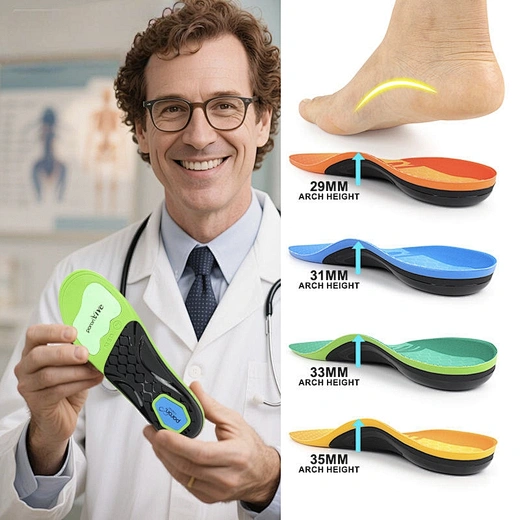
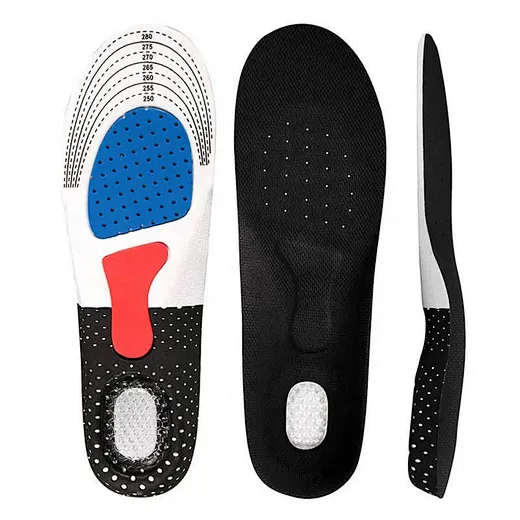
Plantar Fasciitis Insoles: How to Choose the Right Support for Pain Relief?A Comprehensive Guide to Finding the Perfect Insoles for Plantar Fasciitis Recovery

Experience enhanced foot comfort with shoe inserts for arch support designed to align posture and reduce strain. Ideal for flat feet, plantar fasciitis, and long hours on your feet, these insoles offer targeted cushioning and stability.
Plantar Fasciitis Insoles: How to Choose the Right Support for Pain Relief
A Comprehensive Guide to Finding the Perfect Insoles for Plantar Fasciitis Recovery
Table of Contents
Understanding Plantar Fasciitis
Plantar fasciitis is one of the most common causes of heel pain, affecting approximately 10% of people at some point in their lives. It involves inflammation of the plantar fascia—a thick band of tissue that connects your heel bone to your toes and supports the arch of your foot.
Common Symptoms Include:
- Sharp heel pain, especially with the first steps in the morning
- Pain after long periods of standing or sitting
- Tenderness along the bottom of the foot
- Stiffness that improves with movement but worsens after exercise
Key Fact:
Plantar fasciitis accounts for over 1 million doctor visits annually in the United States alone. The condition is particularly common among runners, people who are overweight, and those who wear unsupportive footwear.
How Insoles Help Plantar Fasciitis
Plantar fasciitis insoles provide crucial arch support that reduces strain on the plantar fascia, allowing it to heal properly.
High-quality materials absorb impact with each step, reducing the stress on your heels and the entire foot structure.
Properly designed insoles redistribute weight away from painful areas, particularly the heel and arch where plantar fasciitis pain is most concentrated.
Insoles correct foot positioning to maintain proper biomechanics, reducing strain not just on the feet but also on knees, hips, and back.
Scientific Evidence
Studies show that custom orthotics can reduce plantar fasciitis pain by up to 80% within the first month of use. Even over-the-counter insoles with proper arch support have been shown to provide significant relief for most sufferers.
Types of Plantar Fasciitis Insoles
Custom Orthotics
Professionally prescribed and molded to your exact foot shape. These are typically the most effective but also the most expensive option.
Best for: Severe cases, atypical foot shapes, or when other treatments have failed.
Semi-Custom Insoles
Heat-moldable insoles that you can customize at home. They offer a balance between customization and affordability.
Best for: Moderate to severe plantar fasciitis, active individuals.
Over-the-Counter (OTC) Insoles
Pre-made insoles with good arch support and cushioning. Many are specifically designed for plantar fasciitis.
Best for: Mild to moderate cases, initial treatment, or budget-conscious individuals.
Key Materials Used:
- Memory foam for cushioning and pressure relief
- EVA (ethylene-vinyl acetate) for lightweight support
- Gel for superior shock absorption
- Leather or fabric covers for breathability
How to Choose the Right Insoles
Step 1: Assess Your Foot Type
Determine if you have flat feet, high arches, or neutral arches. This affects the type of support you need:
- Flat feet: Require maximum arch support and motion control
- High arches: Need cushioning and shock absorption
- Neutral arches: Benefit from balanced support and cushioning
Step 2: Consider Your Activity Level
Active individuals and athletes need durable, supportive insoles that can withstand impact. Office workers may prioritize comfort for all-day standing or walking on hard surfaces.
Step 3: Evaluate Key Features
Look for these essential features in plantar fasciitis insoles:
- Deep heel cup to stabilize the heel and cushion impact
- Firm arch support that maintains its shape under pressure
- Adequate cushioning in the forefoot and heel areas
- Breathable materials to prevent moisture buildup
- Proper sizing options for a precise fit
Expert Advice on Plantar Fasciitis Insoles
"The most important feature in a plantar fasciitis insole is proper arch support. Many people make the mistake of choosing soft, cushiony insoles, but what you actually need is firm support that doesn't collapse under your body weight. The arch support should lift and maintain the natural position of your foot, taking tension off the plantar fascia."
Dr. Rebecca Simmons
Podiatrist and Director of Foot Health Center
Additional Professional Recommendations:
- Combine insoles with stretching exercises for the calf muscles and plantar fascia
- Wear supportive shoes even at home—avoid walking barefoot on hard surfaces
- Replace insoles regularly—every 6-12 months or when they show signs of wear
- Gradually break in new insoles by wearing them for a few hours each day initially
- Consider insoles for all your shoes, not just athletic footwear
FAQs About Plantar Fasciitis Insoles
How long does it take for insoles to relieve plantar fasciitis pain?
Most people experience significant relief within 2-4 weeks of consistent use. For some, improvement begins within the first few days, while others may need up to 6 weeks for full benefits.
Are custom orthotics worth the extra cost?
For many people with plantar fasciitis, custom orthotics provide superior results because they're designed specifically for your feet. However, high-quality over-the-counter insoles work well for about 70-80% of sufferers at a fraction of the cost.
Can I use the same insoles in all my shoes?
Ideally, you should have insoles for each pair of shoes you regularly wear. Many insoles are designed to be trimmed to fit different shoe types. Some manufacturers offer multi-pack options for this purpose.
How do I know if my insoles need replacing?
Signs include: visible compression or thinning, loss of arch support, persistent foot pain returning, or visible cracks in the material. Most insoles need replacement every 6-12 months with regular use.
Can insoles completely cure plantar fasciitis?
While insoles are an essential part of treatment, they work best when combined with stretching, proper footwear, and sometimes other treatments like physical therapy. For complete resolution, a comprehensive approach is usually necessary.
Conclusion
Choosing the right plantar fasciitis insoles can make a significant difference in your recovery journey. The key is to select insoles that provide firm arch support, adequate cushioning, and proper heel stabilization. Remember that consistency is crucial—wear your insoles in all your shoes, replace them regularly, and combine them with stretching exercises for best results.
If your pain persists despite using quality insoles, consult with a podiatrist or foot specialist for a personalized treatment plan. Plantar fasciitis is treatable, and with the right approach, you can return to pain-free movement.


Long-Term Use of Orthotic Insoles: Is It Safe and Effective? A Comprehensive Analysis of Prolonged Orthotic Insole Use for Foot Health and Comfort
Daily Use of Orthotic Insoles: Is It Safe and Recommended? A Comprehensive Guide to the Benefits, Safety, and Best Practices of Regular Orthotic Insole Use