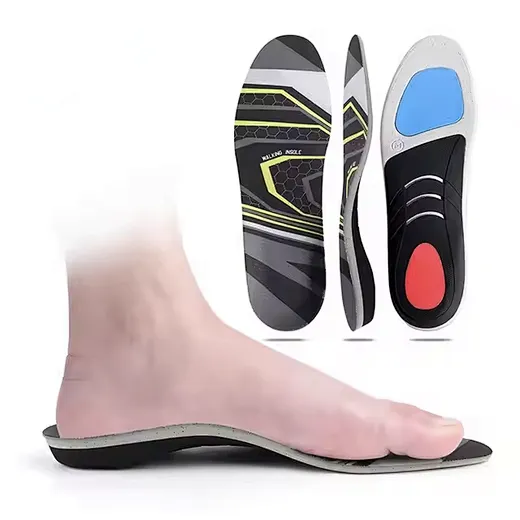
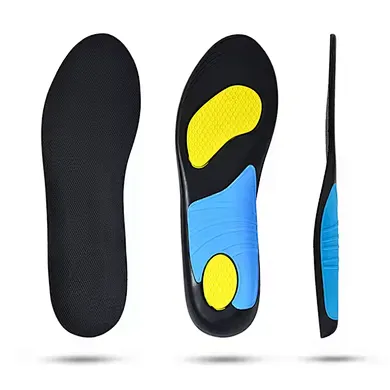
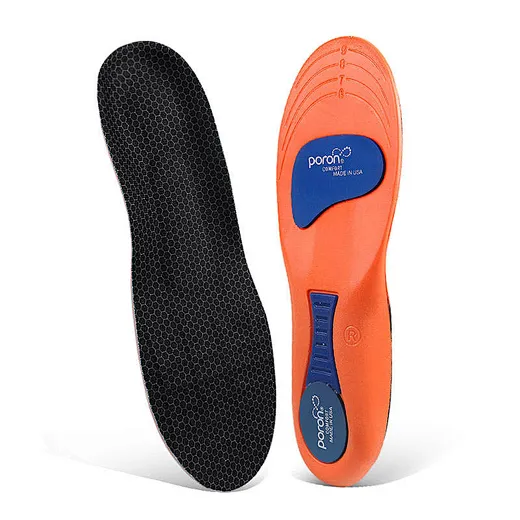
The Key Feature of a Sports Shoe Insole: Support, Cushioning, or Fit?
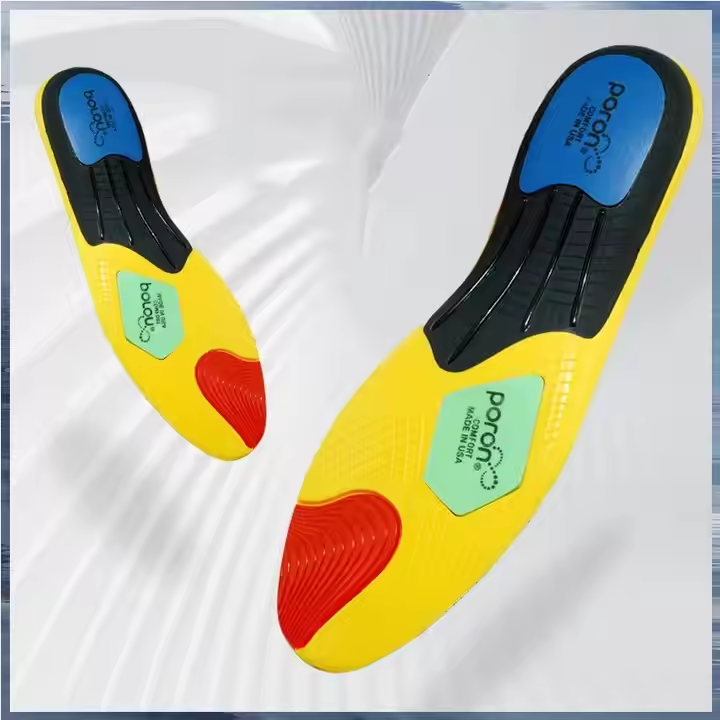
Discover high-performance running insoles for shoes designed to enhance comfort and efficiency.These inserts provide targeted arch support,superior shock absorption,and improved energy return, helping to reduce fatigue and prevent common running injuries.
The Key Feature of a Sports Shoe Insole: Support, Cushioning, or Fit?
Discover Which Insole Feature Matters Most for Your Athletic Performance and Foot Health
Table of Contents
- The Great Debate: Support vs Cushioning vs Fit
- Support: The Foundation of Proper Biomechanics
- Cushioning: Impact Absorption and Comfort
- Fit: The Often Overlooked Critical Factor
- Head-to-Head Comparison
- Expert Insights on Insole Selection
- FAQs About Sports Shoe Insoles
- Conclusion: Finding Your Perfect Balance
The Great Debate: Support vs Cushioning vs Fit
When selecting sports shoe insoles, athletes often face a dilemma: should they prioritize arch support, impact cushioning, or perfect fit? The truth is, all three elements are crucial, but their importance varies based on your sport, foot type, and individual needs.
Research shows that proper insoles can improve athletic performance by up to 5-10% by optimizing energy transfer and reducing fatigue.
In this comprehensive analysis, we'll break down each feature to help you understand which should be your priority when choosing sports insoles.
Support: The Foundation of Proper Biomechanics
What is Support in Sports Insoles?
Support refers to the structural elements that maintain proper foot alignment during movement. This includes:
- Arch support to prevent overpronation or supination
- Heel cups to stabilize the rearfoot
- Metatarsal supports to distribute pressure evenly
When Support Should Be Your Priority
Focus on support if you experience:
- Flat feet or high arches
- Overpronation (foot rolling inward excessively)
- Plantar fasciitis or arch pain
- Knee, hip, or back pain during/after activity
Best Sports for Support-Focused Insoles:
- Running (especially long-distance)
- Basketball and other court sports
- Soccer and field sports
- Hiking and trail running
Cushioning: Impact Absorption and Comfort
The Role of Cushioning in Sports Insoles
Cushioning refers to materials that absorb and dissipate impact forces, protecting joints from repetitive stress. High-quality cushioning:
- Reduces shock to feet, ankles, knees, and hips
- Enhances comfort during high-impact activities
- Helps prevent stress fractures and joint degeneration
When Cushioning Should Be Your Priority
Prioritize cushioning if you:
- Participate in high-impact sports
- Have joint issues or arthritis
- Are heavier-set (increased impact forces)
- Train on hard surfaces (concrete, asphalt, hard courts)
Best Sports for Cushioning-Focused Insoles:
- Running (especially on hard surfaces)
- Basketball and volleyball
- High-intensity interval training (HIIT)
- Aerobics and dance fitness
Fit: The Often Overlooked Critical Factor
Why Proper Fit Matters
Fit ensures the insole works harmoniously with your foot and shoe. A perfect fit:
- Prevents slippage and friction points
- Maximizes the effectiveness of support and cushioning features
- Eliminates pressure points that can cause blisters or hot spots
When Fit Should Be Your Priority
Focus on fit if you:
- Have unusually shaped feet (wide, narrow, high volume)
- Experience blisters or hot spots with current insoles
- Wear shoes that are slightly too big or small
- Participate in sports requiring quick directional changes
Best Sports for Fit-Focused Insoles:
- Tennis, squash, and racquet sports
- Soccer and football (cleats often have poor stock insoles)
- Rock climbing and mountaineering
- Skateboarding and aggressive inline skating
Head-to-Head Comparison
| Feature | Primary Benefit | Best For | Potential Drawback if Overemphasized |
|---|---|---|---|
| Support | Proper alignment and injury prevention | Overpronators, flat feet, endurance athletes | Can feel too rigid or restrictive |
| Cushioning | Impact absorption and comfort | High-impact sports, joint issues, hard surfaces | May reduce energy return and stability |
| Fit | Comfort and performance optimization | Precision sports, unusual foot shapes | May compromise on support or cushioning quality |
Find Your Ideal Insole Priority
Expert Insights on Insole Selection
"The debate between support, cushioning, and fit misses the point - the ideal insole provides all three in balance. However, if I had to prioritize, I'd say support is foundational. Without proper alignment, extra cushioning just masks problems and a perfect fit becomes irrelevant."
Dr. Rebecca Simmons, DPM
Sports Podiatrist and Biomechanics Specialist
"In my work with elite athletes, I've found that fit is the most overlooked yet critical factor. An insole with perfect support and cushioning is useless if it doesn't fit properly in the shoe and with the foot. Many athletes try to compensate for poor fit with extra cushioning, which actually decreases performance."
Michael Torres
Certified Pedorthist and Athletic Shoe Designer
Professional Recommendations
- Always try insoles with the specific shoes you'll be using them in
- Consider your sport's specific demands - court sports need more stability, while running may require more cushioning
- Don't ignore minor discomfort during fitting - it will become major discomfort during activity
- Replace insoles every 300-500 miles of use or when they show visible wear
FAQs About Sports Shoe Insoles
Can I use the same insoles for different sports?
While possible, it's not ideal. Different sports place different demands on your feet. Sport-specific insoles optimize performance and protection for each activity.
How do I know if I need more support or more cushioning?
If you experience alignment issues (knee pain, arch collapse), prioritize support. If you feel excessive impact on hard surfaces or have joint pain, prioritize cushioning.
Are custom orthotics worth the investment for athletes?
For serious athletes with specific biomechanical issues, custom orthotics can be game-changing. However, many athletes find high-quality OTC insoles sufficient for their needs.
Should insoles be the same size as my shoes?
Most quality insoles are designed to be trimmed to fit your specific shoe size. Always follow the manufacturer's trimming guidelines for optimal performance.
How often should I replace my sports insoles?
Generally, every 6-12 months with regular use, or every 300-500 miles for runners. Replace sooner if you notice compression, visible wear, or decreased performance.
Conclusion: Finding Your Perfect Balance
The question of whether support, cushioning, or fit is most important in sports insoles doesn't have a one-size-fits-all answer. The ideal insole provides all three in a balance tailored to your specific needs.
For most athletes, support should form the foundation, with cushioning and fit customized based on your sport, foot type, and individual preferences. Remember that the best insole is one you don't notice during activity - it simply lets you perform at your peak while protecting your body from injury.


When to Consider Sports Insoles: Support, Comfort, and Injury Prevention A Comprehensive Guide to Maximizing Athletic Performance and Protecting Your Feet
Stop Foot Fatigue: How Sports Insoles Can Transform Your Workout