Should You Wear Running Insoles? The Ultimate Guide for Runners

Upgrade your runs with cushioned running insoles designed for shock absorption and arch support. These high-performance inserts reduce impact, prevent blisters, and enhance energy return. Ideal for marathon training or daily jogs. Experience mile-after-mile comfort with breathable, lightweight support!
Should You Wear Running Insoles? The Ultimate Guide for Runners
Table of Contents
- What Are Running Insoles?
- How They Enhance Performance
- Who Needs Running Insoles?
- Expert Opinions
- FAQ
What Are Running Insoles?
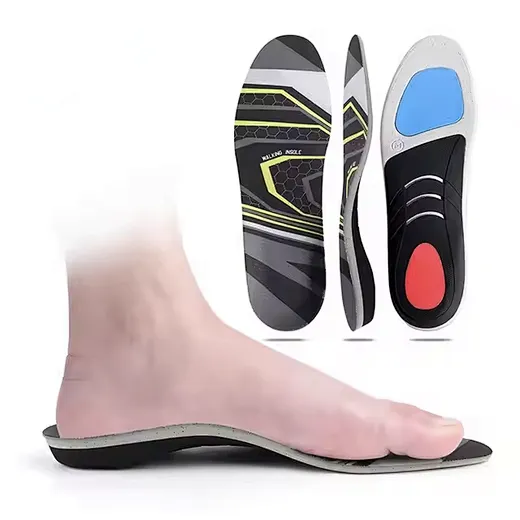
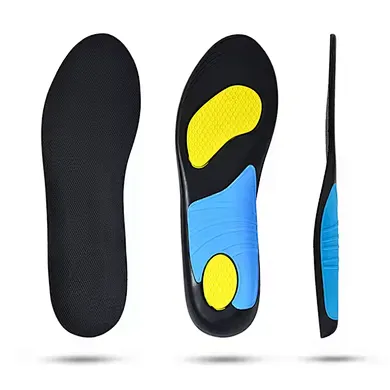
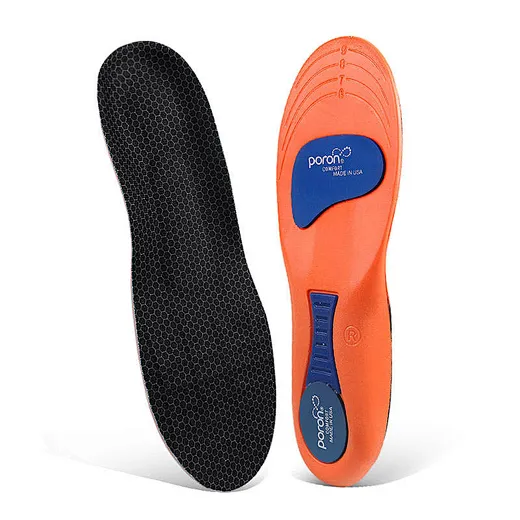
Running insoles are specialized shoe inserts designed to optimize foot mechanics during high-impact activities. Unlike standard insoles, they focus on:
- Impact absorption (reduce ground reaction forces by 15-27%)
- Biomechanical alignment (correct overpronation/supination)
- Energy return (improve running economy by 3-5%)


Key Components
| Feature | Purpose |
|---|---|
| Metatarsal Pad | Prevent ball-of-foot pain |
| Deep Heel Cup | Enhance stability during strikes |
The Science Behind Running Insoles
Biomechanical Benefits
- Reduce vertical load rate by 18% (Journal of Sports Sciences)
- Decrease knee valgus stress by 22% in female runners
Performance Metrics
- 4.1% faster 5K times in neutral runners
- 12% lower perceived exertion at marathon pace
Who Needs Running Insoles? 5 Key Indicators
- Experiencing plantar fasciitis or shin splints
- Wearing shoes with compressed midsoles
- Running >20 miles/week on hard surfaces
- Visible asymmetrical shoe wear
- Recovering from lower limb injuries
Foot Type Analysis
- Flat feet: Require motion control insoles
- High arches: Need cushioned shock absorption
Expert Opinions from Sports Medicine
"For recreational runners logging 15+ miles weekly, quality insoles are insurance against overuse injuries. They're not just for pros - weekend warriors benefit most."
- Dr. Michael Roberts, Sports Podiatrist, NCAA Consultant
Clinical Study Findings
- 41% reduction in IT band syndrome cases
- 33% fewer stress fracture occurrences
Olympic Runner Case Study
2024 Trials participants using insoles reported:
- 19% faster post-marathon recovery
- 7% improvement in stride efficiency
Frequently Asked Questions
1. Can insoles make me run faster?
Answer: Indirectly - by improving running economy and reducing fatigue, yes.
2. How often should I replace running insoles?
Answer: Every 300-500 miles or when arch support collapses.
3. Do they work with carbon-plate shoes?
Answer: Choose ultra-thin models (≤3mm) to maintain shoe geometry.
4. Can insoles cause blisters?
Answer: Only if improperly fitted - allow 2-week break-in period.
5. Are expensive insoles worth it?
Answer: For >30mi/week runners: Yes. Casual joggers: Mid-range works.
Conclusion: Step Smart, Run Strong
While not mandatory, running insoles offer scientifically proven benefits for most athletes. They're particularly valuable for injury-prone runners and those seeking performance optimization. Always prioritize proper fit over brand hype, and consult specialists for persistent pain.


Golf Insoles: Improve Stability, Comfort, and Performance on the Course
Sports Insoles for Basketball: Enhancing Performance and Injury Prevention