The Advantages of PU Insoles: Why They're a Top Choice for Comfort
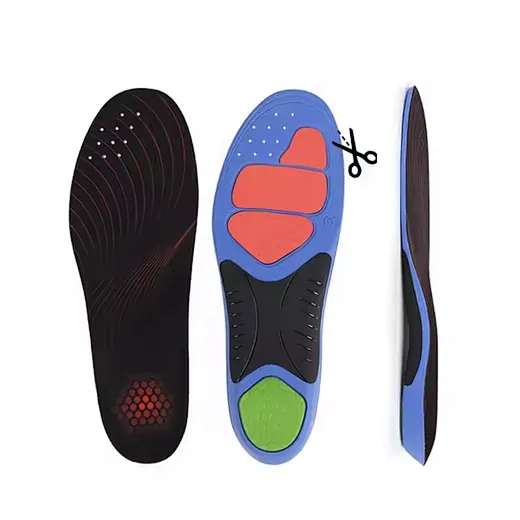
Experience lasting comfort with a durable polyurethane footbed. The high-resilience foam offers superior cushioning, arch support, and shock absorption for all-day wear. Its odor-resistant and breathable design ensures consistent comfort.
The Advantages of PU Insoles: Why They're a Top Choice for Comfort
Table of Contents
- What Are PU Insoles?
- The Structural Innovation of PU Insoles
- Key Advantages of PU Insoles
- PU vs. Other Insole Materials: A Detailed Comparison
- Ideal Applications for PU Insoles
- Expert View on PU Material Technology
- Frequently Asked Questions (FAQs)
- Conclusion: The Future of Foot Comfort
What Are PU Insoles?
PU, or Polyurethane, insoles have revolutionized the footwear industry by offering a sophisticated blend of support and comfort. Unlike traditional materials, PU is a polymer that can be engineered into various densities and structures, making it exceptionally versatile for foot care products. These insoles are designed to be inserted into shoes, serving as a critical interface between your foot and the shoe's sole. Their primary purpose is to enhance comfort, provide strategic support, and improve the overall biomechanics of walking or standing.
The Structural Innovation of PU Insoles
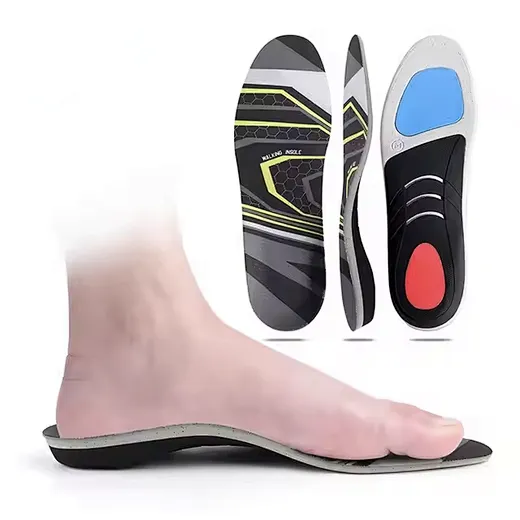
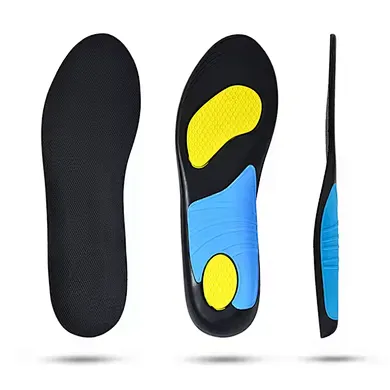
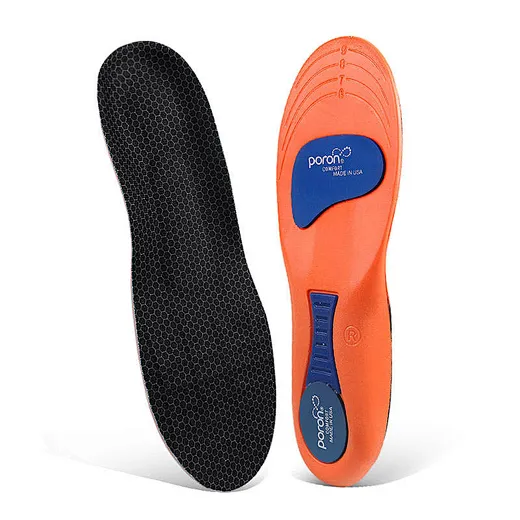
The effectiveness of PU insoles lies in their multi-layer construction. A typical high-quality PU insole features a top fabric layer for moisture management, a middle layer of pressure-mapped PU foam for adaptive cushioning, and a sturdy base layer for structural integrity. This design allows for a dynamic response to foot pressure, offering firm support where needed and plush comfort in impact zones.
Key Advantages of PU Insoles
PU insoles stand out in the market due to a compelling set of benefits that cater to both everyday users and professionals.
Superior Pressure Distribution and Shock Absorption
The open-cell structure of premium PU foam excels at dispersing pressure evenly across the entire footbed. This minimizes peak pressure points under the heel and ball of the foot, which are common sources of pain. Furthermore, PU material provides excellent shock absorption, significantly reducing the impact forces that travel up the legs and spine with each step on hard surfaces.
Exceptional Durability and Long-Lasting Resilience
One of the most significant advantages of PU over standard foam is its resilience. While many materials compact and lose their shape quickly, high-density PU foam is designed to bounce back to its original form even after prolonged use. This means the insole continues to provide consistent support and cushioning for many months, far outlasting traditional materials and offering better long-term value.
Optimal Balance of Support and Cushioning
PU insoles master the delicate balance between soft comfort and firm support. They are not merely soft pads; they are engineered to offer contoured arch support that helps maintain proper foot alignment. This reduces strain on the plantar fascia, mitigates overpronation, and can alleviate pain associated with conditions like plantar fasciitis and flat feet.
Breathability and Moisture Management
Advanced PU insoles are often paired with breathable, moisture-wicking top covers. This combination helps to draw sweat away from the foot, keeping the skin drier and reducing the risk of blisters, fungal infections, and unpleasant odors. A drier foot environment enhances overall comfort throughout the day.
Lightweight and Versatile Design
Despite their durability and support, PU insoles are remarkably lightweight. They add minimal weight to footwear, making them ideal for athletic shoes, hiking boots, and everyday casuals. Their versatility allows them to be trimmed and customized to fit a wide variety of shoe types seamlessly.
PU shoe insoles are designed to deliver a perfect blend of comfort, support, and functionality, making them suitable for a wide range of scenarios.
Crafted from pure PU material, these insoles are ideal for everyday wear. They offer a noticeably soft and comfortable feel, gently cushioning your feet throughout the day. Beyond comfort, the material is engineered to be breathable and moisture-wicking, helping to keep your feet dry and fresh.
For more demanding activities, PU insoles are often combined with supportive materials like TPU or nylon. This strategic enhancement significantly boosts their structural support and stability. Whether you're running, training, or engaged in any high-impact movement, these upgraded insoles can help improve alignment, reduce fatigue, and ultimately, enhance your overall performance.
From daily commutes to dynamic workouts, PU insoles provide adaptable support tailored to your needs.


PU vs. Other Insole Materials: A Detailed Comparison
PU vs. Standard EVA Foam
While EVA (Ethylene-Vinyl Acetate) is a common, cost-effective material, it tends to compress permanently under pressure, leading to a rapid loss of support. PU foam, especially high-density varieties, maintains its structural integrity much longer, providing dependable performance over time.
PU vs. Gel Insoles
Gel insoles are excellent for pure shock absorption at specific points. However, they can sometimes feel unstable and lack the uniform, supportive structure that PU provides. PU insoles offer a more balanced approach, combining cushioning with overall foot stability and arch control.
PU vs. Memory Foam
Memory foam offers a luxurious, custom mold feeling but is known for poor responsiveness and heat retention. PU foam provides a more active cushioning experience—it responds dynamically to movement, offers better energy return, and generally features superior breathability.
Ideal Applications for PU Insoles
- Occupational Footwear: Essential for nurses, teachers, retail workers, and anyone standing for long periods on hard floors.
- Athletic and Running Shoes: Enhances performance by improving comfort and energy return during impact activities.
- Hiking and Outdoor Boots: Provides durable cushioning and support on uneven terrain while managing moisture.
- Everyday Casual and Dress Shoes: Upgrades comfort in shoes that typically offer minimal built-in support.
- Foot Condition Management: Highly recommended for individuals experiencing mild to moderate foot pain, arch fatigue, or needing preventive care.
Expert View on PU Material Technology
Dr. Eleanor Vance, a renowned podiatrist and biomechanics researcher, emphasizes the technological edge of PU: "In the realm of off-the-shelf foot orthotics, advanced Polyurethane foam formulations represent a significant leap forward. Their ability to provide sustainable load distribution while resisting permanent deformation addresses the primary failure point of cheaper insoles. For patients seeking over-the-counter relief, a well-designed PU insole with proper medial arch contour and heel cupping can be a game-changer for managing common musculoskeletal stress symptoms."
She further notes, "The industry's move toward graded-density PU construction—where different zones of the insole have different firmness levels—allows for a more anatomically intelligent product that truly supports the foot's natural structure."
Frequently Asked Questions (FAQs)
How long do PU insoles typically last?
With average daily use, a high-quality PU insole can last between 6 to 12 months. For intense athletic or heavy work use, consider replacing them every 4 to 6 months. The key indicator for replacement is when the material no longer springs back and feels permanently flattened.
Can PU insoles be washed?
Most PU insoles feature a removable top fabric cover that can be hand-washed. The PU foam core itself should not be submerged. Instead, wipe it gently with a damp cloth and mild soap, then air-dry completely away from direct heat to prevent damage.
Are PU insoles suitable for people with diabetes?
While PU insoles offer excellent pressure relief, individuals with diabetes should always consult their healthcare provider or a podiatrist first. They may require a custom, prescription orthotic. However, some PU insoles with seamless, soft top covers can be appropriate if approved by a medical professional.
Do they make shoes feel tighter?
High-profile or very thick PU insoles may reduce volume inside the shoe. It is often advisable to remove the existing factory insole before inserting a new PU insole. If the shoe feels too snug, look for "thin" or "low-profile" PU models designed specifically for tighter-fitting footwear.
Are all PU insoles the same?
Absolutely not. Quality varies dramatically based on PU density, layering technology, and design. A premium insole will use higher-density, multi-zone PU and feature anatomical shaping, while a low-cost version may use a single layer of soft, non-supportive foam that compresses quickly.
Conclusion: The Future of Foot Comfort
PU insoles have firmly established themselves as a top-tier choice for anyone seeking to enhance foot comfort and health. Their unique combination of long-lasting resilience, intelligent pressure distribution, and balanced support addresses the shortcomings of many traditional materials. As material science advances, we can expect even more sophisticated PU formulations that offer personalized comfort and adaptive properties. Investing in a high-quality pair of PU insoles is not merely a purchase for your shoes—it is a direct investment in your well-being, mobility, and daily performance, making every step more comfortable and supported.


Why Every Runner Should Invest in Quality Shoe Insoles – And How to Choose
Specialized Insoles for Athletes: Unlocking Performance and Preventing Injury