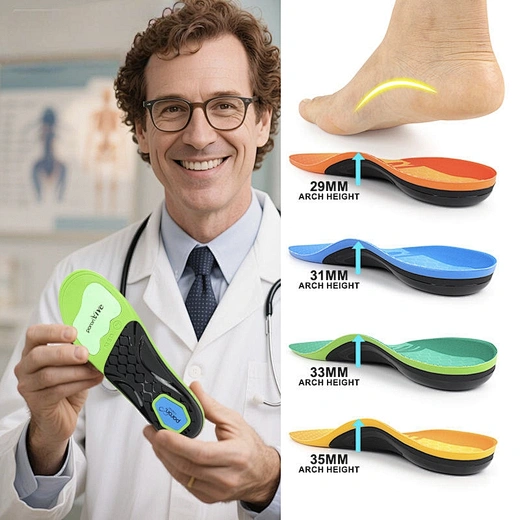
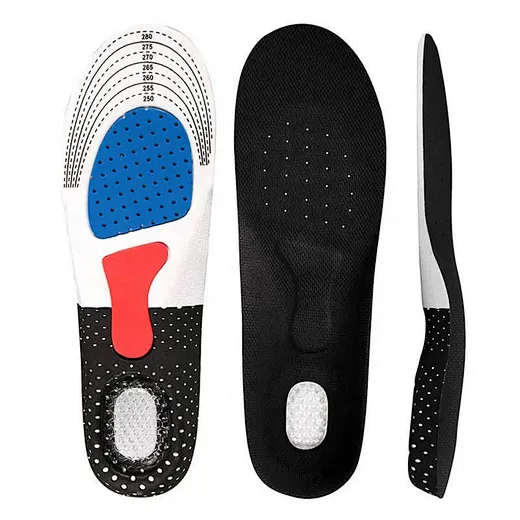
Plantar Fasciitis Orthotics Insoles: Relief, Support, and Recovery
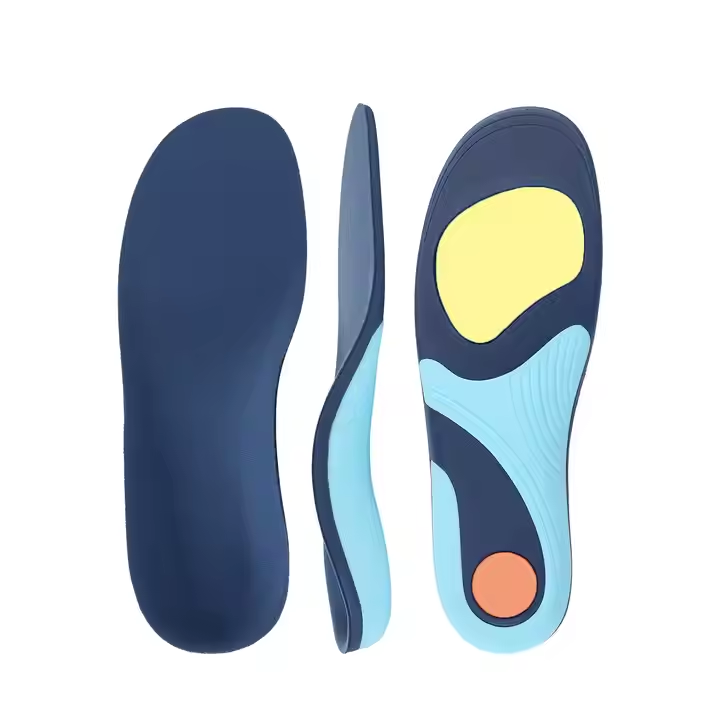
Relieve heel pain with plantar fascia inner soles! Our orthotic inserts provide targeted arch support, cushioning & shock absorption to reduce strain on your plantar fascia. Ideal for walking, running & standing all day.
Plantar Fasciitis Orthotics Insoles: Relief, Support, and Recovery
Table of Contents
- Understanding Plantar Fasciitis
- How Orthotic Insoles Alleviate Plantar Fasciitis
- Key Features of Effective Plantar Fasciitis Insoles
- Types of Orthotic Insoles for Plantar Fasciitis
- Expert Advice on Using Orthotics
- FAQs About Plantar Fasciitis Orthotics
- Conclusion
Understanding Plantar Fasciitis
Plantar fasciitis is a common condition involving inflammation of the plantar fascia—the thick band of tissue connecting your heel to your toes. It causes stabbing heel pain, especially during the first steps in the morning. Risk factors include:
- Flat feet or high arches
- Prolonged standing or walking
- Improper footwear
How Orthotic Insoles Alleviate Plantar Fasciitis
The Science Behind Orthotic Support
Orthotic insoles combat plantar fasciitis by:
- Reducing tension on the plantar fascia ligament.
- Correcting foot alignment to prevent overpronation.
- Distributing pressure evenly across the foot.
Clinical Benefits:
- 73% pain reduction in 6 weeks (Journal of Foot and Ankle Research)
- Improved walking mechanics and stride length
Key Features of Effective Plantar Fasciitis Insoles
1. Deep Heel Cup
Stabilizes the heel and absorbs impact shock during heel strike.
2. Rigid Arch Support
Prevents arch collapse that strains the plantar fascia.
3. Cushioned Forefoot
Reduces pressure during push-off phase of walking.
4. Medical-Grade Materials
EVA foam, gel pods, or thermoplastic for lasting support.
Types of Orthotic Insoles for Plantar Fasciitis
1. Over-the-Counter (OTC) Orthotics
Best for mild-moderate cases. Brands like Powerstep or Superfeet offer affordable, pre-molded support.
2. Custom Orthotics
Podiatrist-prescribed for severe cases or abnormal foot structures. Made from 3D scans or casts.
3. Night Splint Insoles
Worn during sleep to maintain plantar fascia stretch.
Expert Advice on Using Orthotics
Dr. Robert Mitchell, a renowned podiatrist, emphasizes: "Consistency is critical—wear orthotics in all shoes, not just sneakers. Pair them with heel stretches and supportive footwear for maximum relief." He recommends:
- Start with 2-4 hours daily, gradually increasing wear time.
- Replace OTC insoles every 6-12 months.
- Combine with ice massage for acute flare-ups.
FAQs About Plantar Fasciitis Orthotics
1. How long until I feel pain relief?
Most notice improvement in 2-4 weeks. Full benefits may take 3 months of consistent use.
2. Can I wear orthotics with sandals?
Special strapped orthotic sandals exist, but most insoles require enclosed shoes.
3. Are custom orthotics worth the cost?
For complex cases or failed OTC treatment, custom orthotics provide precise biomechanical correction.
4. Do orthotics cure plantar fasciitis?
They manage symptoms and aid recovery but should be paired with stretching, strengthening, and activity modification.
Conclusion
Orthotic insoles for plantar fasciitis are a proven, non-invasive solution to break the cycle of heel pain. By supporting proper foot alignment, reducing strain on the plantar fascia, and distributing pressure evenly, they empower you to reclaim pain-free movement. For best results, choose insoles with rigid arch support and deep heel cups, and consult a podiatrist to tailor your recovery plan.


Arch Support Insoles for Shoes: Unlock Comfort and Prevent Pain
Best Arch Support Insoles for Runners: Run Farther, Recover Faster