Orthotics Inserts for Fallen Arches: Restoring Comfort and Function
Orthotics Inserts for Fallen Arches: Restoring Comfort and Function
Table of Contents
- Understanding Fallen Arches
- How Orthotic Inserts Help Fallen Arches
- Types of Orthotic Inserts
- Choosing the Right Orthotics
- Wearing and Caring for Your Orthotics
- Expert Insights
- Frequently Asked Questions
- Conclusion
Understanding Fallen Arches
Fallen arches, medically known as posterior tibial tendon dysfunction (PTTD) or adult-acquired flatfoot, occur when the arch of the foot collapses, causing the entire sole to come into complete or near-complete contact with the ground. This condition can develop due to various factors including aging, injury, obesity, arthritis, or genetic predisposition.
When arches fall, they can lead to a cascade of problems throughout the body's kinetic chain. The foot's natural shock-absorbing capabilities diminish, and the altered foot posture can cause biomechanical imbalances that affect ankles, knees, hips, and even the lower back. Common symptoms include:
- Foot pain, especially along the inside of the foot and ankle
- Swelling along the inside of the ankle
- Difficulty standing on toes
- Pain that worsens with activity
- Foot fatigue
- Lower leg, knee, hip, or back pain
How Orthotic Inserts Help Fallen Arches
Orthotic inserts are specially designed devices placed inside shoes to correct biomechanical foot issues such as abnormal walking patterns, improper gait, and fallen arches. For individuals with fallen arches, orthotics provide several crucial benefits:
Arch Support and Restoration
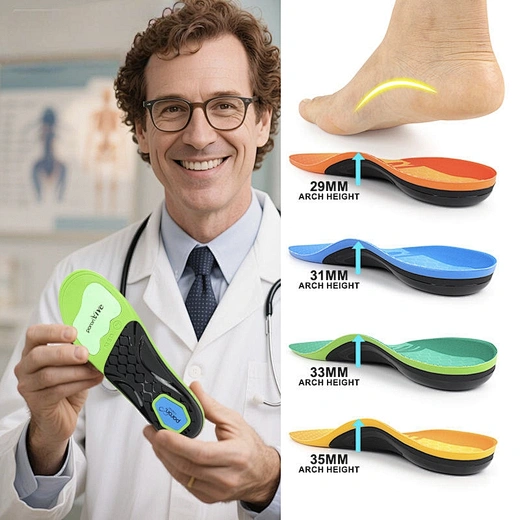
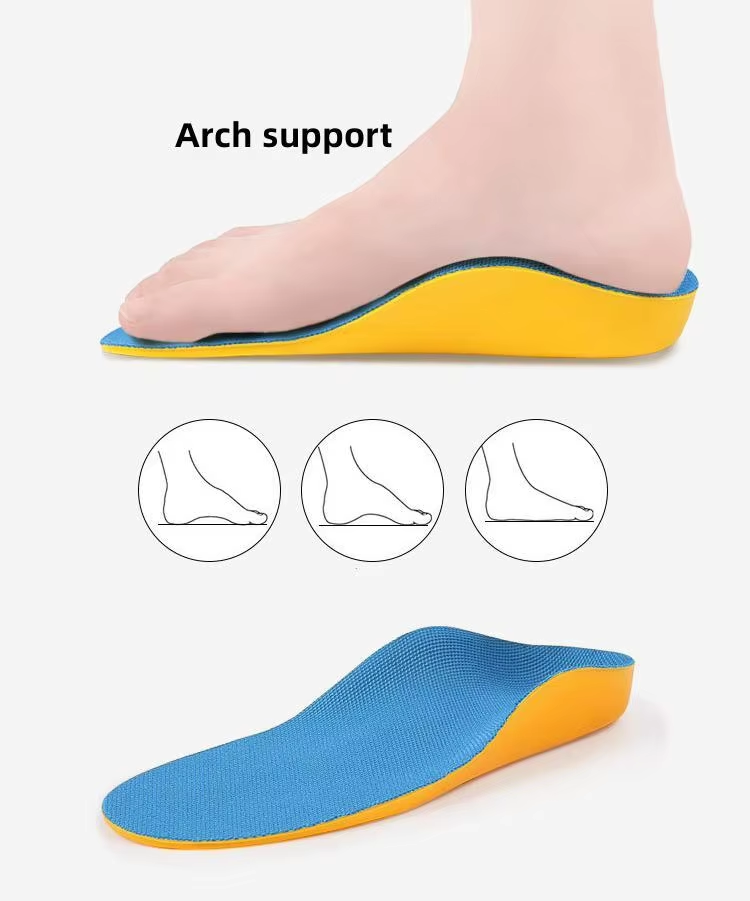
The primary function of orthotics for fallen arches is to provide structured arch support that mimics the natural arch shape. This support helps redistribute weight more evenly across the foot, reducing stress on collapsed structures and potentially preventing further deterioration.
Biomechanical Correction
By repositioning the foot to a more anatomically correct position, orthotics help correct overpronation (excessive inward rolling of the foot) commonly associated with fallen arches. This realignment can alleviate strain on ankles, knees, hips, and the lower back.
Shock Absorption
Quality orthotics feature cushioning materials that absorb impact forces during walking or running, compensating for the foot's diminished natural shock-absorbing capabilities when arches have fallen.
Pressure Redistribution
Orthotics help distribute pressure more evenly across the entire foot surface, preventing excessive loading on specific areas that can lead to pain, calluses, or other foot problems.
Types of Orthotic Inserts for Fallen Arches
Not all orthotic inserts are created equal. Different types offer varying levels of support and correction:
Rigid Orthotics
Made from firm materials like plastic or carbon fiber, rigid orthotics are designed to control motion in two major foot joints that lie directly below the ankle joint. They're typically prescribed for more severe cases of fallen arches and are most effective in dress shoes or other footwear with a closed toe and low heel.
Semi-Rigid Orthotics
These provide a balance of support and cushioning, making them suitable for a wide range of activities. Semi-rigid orthotics are often recommended for athletes or active individuals with fallen arches as they help guide the foot through proper motion while absorbing impact.
Soft Orthotics
Constructed from compressible materials, soft orthotics provide cushioning and pressure relief rather than significant biomechanical correction. They're best for diabetic patients, arthritic individuals, or those with fragile feet who need comfort more than correction.
Custom vs. Over-the-Counter Orthotics
While over-the-counter orthotics can provide relief for mild cases of fallen arches, custom orthotics are specifically molded to your feet and typically offer superior support and correction for more severe conditions. Custom orthotics are prescribed by podiatrists or orthopedic specialists and are made from a cast or digital scan of your feet.
Choosing the Right Orthotics for Fallen Arches
Selecting the appropriate orthotic inserts requires careful consideration of several factors:
Severity of Condition
The extent of your arch collapse will determine the level of support you need. Mild cases might respond well to supportive over-the-counter inserts, while more advanced fallen arches typically require custom orthotics.
Footwear Compatibility
Consider the types of shoes you wear regularly. Some orthotics are designed specifically for athletic shoes, while others fit better in dress shoes or boots. Ensure the orthotics you choose will fit comfortably in your preferred footwear.
Material Quality
Look for orthotics made from high-quality materials that offer both support and durability. Common materials include:
- Polypropylene or polycarbonate for rigid orthotics
- EVA (ethylene-vinyl acetate) foam for cushioning
- Leather or synthetic covers for comfort and moisture control
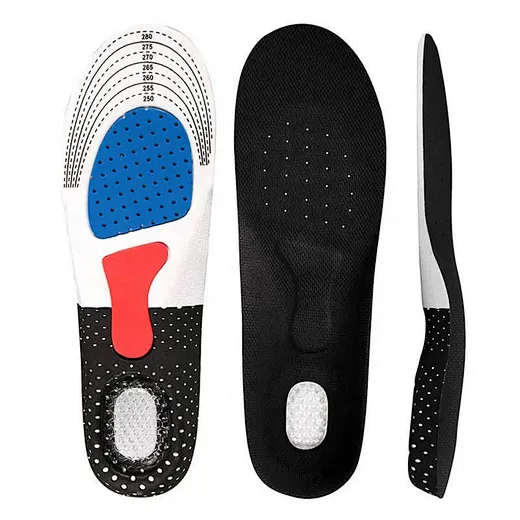
- Gel pads for additional shock absorption
Professional Assessment
For optimal results, seek a professional foot assessment from a podiatrist or orthopedic specialist. They can evaluate your specific condition, gait pattern, and biomechanical needs to recommend the most appropriate orthotic solution.
Wearing and Caring for Your Orthotics
Proper use and maintenance of orthotic inserts are essential for their effectiveness and longevity:
Break-in Period
When you first begin using orthotics, especially custom ones, allow for a gradual break-in period. Start by wearing them for just a few hours each day, gradually increasing wearing time over 1-2 weeks. This allows your feet and body to adjust to the new positioning.
Proper Placement
Ensure your orthotics are correctly positioned in your shoes. Remove the existing insoles if necessary to create enough space. The orthotic should lie flat without buckling, and your heel should sit comfortably in the heel cup.
Cleaning and Maintenance
Regular cleaning helps maintain hygiene and extends the life of your orthotics. Follow manufacturer instructions, but typically:
- Wipe with a damp cloth and mild soap
- Air dry completely before replacing in shoes
- Avoid excessive heat which can warp materials
- Replace orthotics when they show signs of wear or no longer provide adequate support
Expert Insights on Orthotics for Fallen Arches
Dr. Emily Robertson, a board-certified podiatrist with over 15 years of experience specializing in biomechanical disorders, shares her perspective:
"Fallen arches represent more than just a structural change in the foot—they signify a fundamental shift in how the entire body bears weight and moves through space. While many patients seek orthotics primarily for pain relief, the right inserts do far more than just cushion the foot."
"Properly prescribed orthotics for fallen arches serve as a corrective tool that re-educates the foot and lower extremity about proper alignment. They provide the external support needed to compensate for compromised internal structures, potentially slowing the progression of the condition."
"I always emphasize to my patients that orthotics work best as part of a comprehensive treatment plan that may include physical therapy, strengthening exercises, and appropriate footwear selection. The most successful outcomes occur when patients view orthotics not as a standalone solution but as one component of their overall foot health strategy."
"For those with fallen arches, I typically recommend semi-rigid custom orthotics that offer a balance of support and flexibility. The specific design—including arch height, heel cup depth, and postings—varies based on the individual's unique biomechanics, activity level, and footwear needs."
Frequently Asked Questions About Orthotics for Fallen Arches
How long does it take to see improvements with orthotics?
Most people experience some relief within a few weeks, but it may take 1-3 months to fully adapt to orthotics and see significant improvement. The specific timeline depends on the severity of the condition, how frequently the orthotics are worn, and whether or not they are combined with other treatments such as physical therapy.
Can orthotics cure fallen arches?
Orthotics cannot "cure" fallen arches—restoring the arch to its original height—because the condition involves structural changes to the tendons and joints. However, they can effectively manage symptoms, improve function, prevent further progression, and may strengthen supporting structures, providing better arch support over time.
Can I transfer my orthotics between different shoes?
This depends on the type of orthotic and the shoes. Some orthotics are designed to be transferred between similar types of shoes (like between different pairs of athletic shoes), but they may not fit properly in significantly different shoe styles. Some people opt for multiple pairs of orthotics for different types of footwear.
How long do orthotic inserts typically last?
The lifespan of orthotics varies based on materials, usage, and body weight. Typically, custom orthotics last 1-3 years, while over-the-counter options may need replacement every 6-12 months. Signs that your orthotics need replacement include visible wear, reduced support, or the return of symptoms.
Can children with flat feet benefit from orthotics?
Children with flexible flat feet often don't require treatment as arches typically develop naturally until around age 6-7. However, if flat feet cause pain or affect walking, a pediatric podiatrist may recommend orthotics. Children's orthotics need more frequent replacement due to rapid foot growth.
Conclusion
Orthotic inserts are the cornerstone of arch management, providing symptom relief and improved function for patients affected by this common condition. By providing essential arch support, correcting biomechanical abnormalities, and redistributing pressure, orthotics can significantly reduce pain and prevent further lower extremity complications.
While over-the-counter medications may be sufficient to treat mild cases, patients with more severe arch collapse often benefit most from custom-made orthotics prescribed by a podiatrist. These personalized devices provide targeted support where it's most needed, tailored to the unique characteristics of your foot structure and gait pattern.
Remember, orthotics work best as part of a comprehensive foot health treatment program that may include appropriate footwear, strength training, weight management, and activity modification. If you suspect you have arch collapse, consult a podiatrist or orthopedist for an appropriate evaluation and personalized treatment recommendations.
With the right orthotic solution and proper care, patients with arch collapse can enjoy improved comfort, mobility, and quality of life, confidently taking the next step toward better foot health.


Fallen Arches Insoles: Restoring Comfort and Function to Your Feet
High Arch Insoles: The Complete Guide to Proper Support and Comfort