Orthopedic Shoe Pads: The Complete Guide to Improved Foot Health and Comfort

Relieve foot pain with premium orthopedic shoe pads designed for medical-grade support. These cushioned inserts provide arch reinforcement, heel shock absorption, and pressure point relief for plantar fasciitis and flat feet. Recommended by podiatrists for all-day comfort.
Orthopedic Shoe Pads: The Complete Guide to Improved Foot Health and Comfort
Table of Contents
- What Are Orthopedic Shoe Pads?
- Types of Orthopedic Shoe Pads and Their Benefits
- Who Needs Orthopedic Shoe Pads?
- How to Choose the Right Orthopedic Pads
- Proper Use and Maintenance
- Expert Insights on Orthopedic Pads
- Frequently Asked Questions
- Conclusion
What Are Orthopedic Shoe Pads?
Orthopedic shoe pads, also known as orthotic inserts or insoles, are specially designed foot supports that fit inside shoes to address various foot conditions and improve overall foot comfort. Unlike regular insoles, orthopedic pads are engineered with specific medical and biomechanical principles to provide targeted support, correct alignment issues, and redistribute pressure across the foot.
These devices are typically made from various materials including memory foam, gel cushioning, thermoplastic materials, and sometimes even carbon fiber for rigid support. They can be either prefabricated or custom-made to address individual foot concerns.
The Science Behind Orthopedic Pads
Orthopedic pads work on the principle of biomechanical correction. By providing strategic support to the arches, heel, and metatarsal areas, they help:
- Realign foot and lower limb joints
- Redistribute plantar pressure
- Reduce stress on sensitive areas
- Improve overall gait mechanics
Types of Orthopedic Shoe Pads and Their Benefits
1. Arch Support Pads
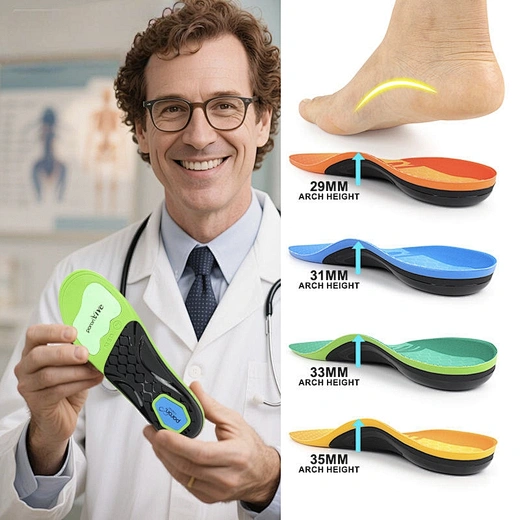
These pads feature reinforced arch areas designed to support the medial longitudinal arch of the foot. They are particularly beneficial for people with flat feet (pes planus) or high arches (pes cavus).
Key Benefits:
- Prevents overpronation or supination
- Reduces strain on plantar fascia
- Improves weight distribution
2. Heel Cups and Cushions
These are designed to provide targeted heel support and shock absorption. They often feature a deep cup design that cradles the heel bone (calcaneus).
Key Benefits:
- Absorbs impact during walking or running
- Helps with conditions like plantar fasciitis and heel spurs
- Stabilizes the heel to prevent excessive movement
3. Metatarsal Pads
These pads are placed behind the ball of the foot to provide metatarsal support and relieve pressure on the forefoot.
Key Benefits:
- Relieves pain from metatarsalgia
- Prevents and helps manage Morton's neuroma
- Reduces pressure on the forefoot during push-off phase of gait
4. Full-Length Orthotic Insoles
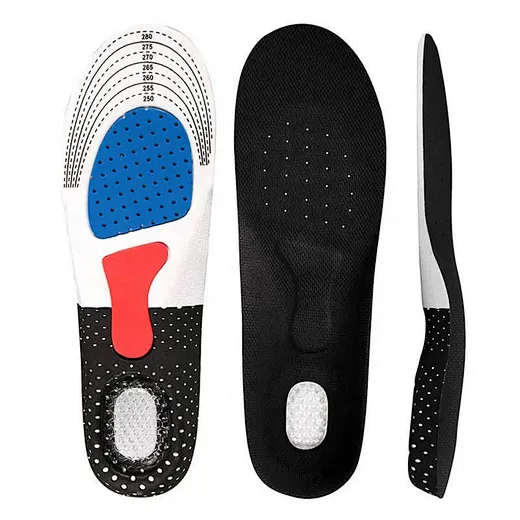
These provide comprehensive foot support from heel to toe, incorporating multiple support elements in a single device.
Key Benefits:
- Offers complete foot coverage and support
- Improves overall body alignment
- Can address multiple foot issues simultaneously
Who Needs Orthopedic Shoe Pads?
People with Specific Medical Conditions
Orthopedic shoe pads can provide significant relief for individuals suffering from:
- Plantar fasciitis: Heel and arch support reduces strain on the plantar fascia
- Flat feet or fallen arches: Arch support helps restore proper foot alignment
- Bunions and hammertoes: Pressure redistribution prevents irritation
- Diabetes: Special diabetic pads help prevent foot ulcers by reducing pressure points
- Arthritis: Cushioning helps absorb shock and reduce joint pain
Occupational Needs
People who spend long hours on their feet often benefit from orthopedic pads:
- Healthcare workers and nurses
- Teachers and educators
- Retail and hospitality employees
- Construction workers and tradespeople
Athletes and Active Individuals
Athletes place significant demands on their feet and can benefit from specialized orthopedic support:
- Runners and marathoners
- Court sport athletes (basketball, tennis, volleyball)
- Hikers and backpackers
- Dancers and gymnasts
How to Choose the Right Orthopedic Pads
Step 1: Identify Your Specific Needs
Before selecting orthopedic pads, consider:
- Your specific foot condition or concern
- Your typical daily activities
- The type of shoes you usually wear
- Any areas of particular pain or discomfort
Step 2: Understand Different Materials
Different materials offer different benefits:
- Memory foam: Excellent cushioning and pressure redistribution
- Gel: Superior shock absorption, especially in heel areas
- Thermoplastic: Provides firm support and structural integrity
- Leather: Durable and moisture-wicking
Step 3: Consider Your Foot Type
Your arch type significantly impacts which orthopedic pads will work best:
- Flat feet: Require motion control and arch support
- Neutral arches: Benefit from balanced cushioning and support
- High arches: Need extra cushioning and shock absorption
Step 4: Get Professional Guidance
For complex foot issues, consider:
- Consulting a podiatrist for assessment
- Getting custom orthotics for severe conditions
- Seeking advice from footwear specialists
Proper Use and Maintenance of Orthopedic Pads
Breaking In Your New Pads
When you first get orthopedic pads, it's important to break them in gradually:
- Start by wearing them for 2-3 hours per day
- Gradually increase wearing time over 1-2 weeks
- Pay attention to any areas of discomfort or irritation
Cleaning and Maintenance
Proper care extends the life of your orthopedic pads:
- Remove pads from shoes regularly to air them out
- Clean with mild soap and water as recommended
- Allow to air dry completely before reinserting
- Avoid excessive heat which can damage materials
Replacement Schedule
Orthopedic pads don't last forever. Replace them when you notice:
- Visible wear or compression of cushioning materials
- Loss of support or structural integrity
- Changes in comfort or effectiveness
- Typically every 6-12 months with regular use
Expert Insights on Orthopedic Pads
Dr. Emily Robertson, DPM, Podiatric Medicine Specialist
"Orthopedic shoe pads are often the first line of defense against common foot disorders. Many patients experience significant relief from properly selected pads, which can sometimes eliminate the need for more invasive treatments. The key is matching the right type of support to the individual's specific biomechanical needs."
Professor Michael Chen, Biomechanics Researcher
"Our research has shown that appropriately designed orthopedic inserts can reduce peak plantar pressure by up to 30% in high-risk areas. This pressure redistribution is crucial for preventing tissue breakdown in diabetic patients and reducing pain in those with mechanical foot issues."
Sarah Johnson, Certified Pedorthist
"I always advise patients to consider their footwear when selecting orthopedic pads. Even the best pads won't be effective in shoes that don't fit properly or provide adequate support. It's about creating a complete foot health system, not just adding an insert."
Frequently Asked Questions About Orthopedic Shoe Pads
1. How long does it take to get used to orthopedic shoe pads?
Most people adapt within 1-2 weeks of gradual use. Start by wearing them for a few hours each day and gradually increase the amount of time. Some initial discomfort is normal as your feet adjust to the correct position.
2. Can I transfer my orthopedic pads between different shoes?
Yes, as long as the shoes are similar in type and size. However, the insoles may need to be trimmed, and performance may vary between shoes.
3. Are custom orthotics better than over-the-counter pads?
Custom orthotics are specifically designed to fit the foot and are essential for complex biomechanical issues. However, many people find that over-the-counter insoles fully address common foot problems and provide overall comfort.
4. Can orthopedic pads help with knee or back pain?
Yes, because foot position affects the entire kinetic chain. Proper orthotic support can improve overall posture and alignment, potentially reducing pain in the knees, hips, and back.
5. How do I know if my orthopedic pads are working correctly?
An effective insole should reduce foot pain and fatigue, improve comfort when standing or walking, and not cause new pressure points or discomfort.
6. Can I wear orthopedic pads with any type of shoes?
While many insoles are designed to fit a variety of shoes, certain styles (such as high heels or very narrow shoes) may not accommodate thicker orthotic insoles. Be sure to check the height and size requirements of the insole.
Conclusion
Orthopedic shoe pads are a simple and effective solution for a variety of foot problems and comfort issues. By providing targeted support, pressure redistribution, and improved alignment, these devices can significantly improve foot health and overall quality of life.
Whether you suffer from a specific condition like plantar fasciitis or diabetes, or simply desire greater comfort during long hours at work or playing sports, there's a way to find the right orthotic solution. Remember, the most effective approach typically includes:
- Properly assessing your individual needs
- Choosing the right insole type and material
- Gradual adaptation and proper maintenance
- Expert guidance for complex issues
Investing in quality orthopedic shoe pads is an investment in your mobility, comfort, and long-term foot health. With the right knowledge and selection process, you can find the perfect support solution to move forward comfortably in all of life's activities.


Best Arch Support Insoles for Runners: Ultimate Guide
Arch Support with Metatarsal Pad: The Ultimate Solution for Complete Foot Comfort