5 Tell-Tale Signs It's Time to Replace Your Orthotic Insoles

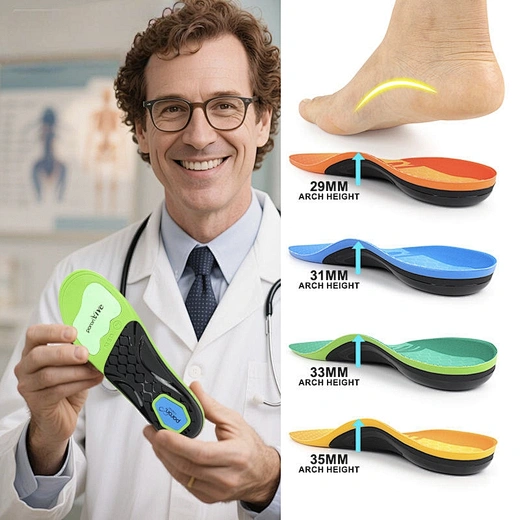
Discover the benefits of orthopedic shoe inserts custom-molded for your feet. These medical-grade orthotics provide personalized arch support, pressure relief, and alignment correction for conditions like plantar fasciitis.
5 Tell-Tale Signs It's Time to Replace Your Orthotic Insoles
Don't Wait Until You're in Pain - Learn When to Refresh Your Foot Support
Table of Contents
- Introduction: Why Orthotic Insoles Matter
- Sign #1: Visible Wear and Tear
- Sign #2: Returning Foot Pain
- Sign #3: Decreased Cushioning
- Sign #4: Changed Foot Shape or Size
- Sign #5: Odor That Won't Go Away
- Orthotic Insole Replacement Guide
- Expert Advice on Insole Care
- FAQs About Orthotic Insole Replacement
- Conclusion
Introduction: Why Orthotic Insoles Matter
Orthotic insoles are medical-grade shoe inserts designed to support, align, and improve the function of your feet. Unlike regular insoles, orthotics are engineered to address specific biomechanical issues like overpronation, flat feet, or plantar fasciitis.
When functioning properly, orthotic insoles:
- Redistribute pressure across your feet
- Correct abnormal walking patterns
- Provide arch support where needed
- Absorb shock with each step
- Improve overall posture and alignment
But like any medical device, orthotic insoles have a limited lifespan. Using worn-out orthotics can do more harm than good, potentially worsening the very conditions they're meant to correct.
Sign #1: Visible Wear and Tear
Check for Physical Damage
Regular inspection of your orthotic insoles can reveal obvious signs of deterioration. Look for:
Cracks or Fissures
Small cracks in the material, especially in the arch support area, indicate structural failure. These cracks compromise the insole's ability to provide consistent support.
Compression and Thinning
If your insoles look noticeably thinner or flatter than when you first got them, the cushioning materials have likely compressed beyond their effective range.
Separating Layers
Many orthotics consist of multiple layers. If these layers begin to separate, the insole can no longer function as designed.
Quick Check
Compare your current insoles to how they looked when new. If you notice significant visual changes, it's likely time for replacement.
Sign #2: Returning Foot Pain
Listen to Your Body
One of the clearest indicators that your orthotic insoles need replacement is the return of foot pain or discomfort that originally led you to use orthotics.
Specific Pain Points to Watch For:
- Heel pain (potential plantar fasciitis flare-up)
- Arch strain or fatigue
- Ball of foot pain (metatarsalgia)
- Increased knee, hip, or back pain
When orthotics wear out, they lose their ability to properly align your feet, causing your body to compensate in ways that strain other areas.
Sign #3: Decreased Cushioning
The Comfort Test
Orthotic insoles should provide consistent cushioning and shock absorption. When this diminishes, you'll notice:
Increased Impact Sensation
If you feel more impact with each step, especially on hard surfaces, your insoles have likely lost their shock-absorbing properties.
Foot Fatigue
Do your feet feel tired or achy after less activity than usual? Worn orthotics fail to distribute pressure evenly, causing specific areas to bear excessive weight.
The "New Insole" Comparison
If possible, try a new pair of similar insoles. The difference in comfort and support will be immediately apparent if your current pair needs replacement.
Sign #4: Changed Foot Shape or Size
Your Feet Evolve - Your Insoles Should Too
Our feet change over time due to various factors. If your orthotics no longer match your current foot characteristics, they need updating.
Common Foot Changes That Require New Orthotics:
- Weight fluctuations (gain or loss of 15+ pounds)
- Pregnancy (which can permanently change foot size and arch height)
- Aging (natural changes in foot structure and fat pads)
- Development of new foot conditions (bunions, hammertoes, etc.)
- Significant changes in activity level or type
Custom orthotics are designed for your feet at a specific point in time. As your feet change, so should your support.
Sign #5: Odor That Won't Go Away
When Cleaning No Longer Works
Persistent odor isn't just unpleasant—it can indicate bacterial or fungal growth that compromises the material integrity of your insoles.
Why Odor Matters:
- Indicates bacterial penetration deep into the materials
- Suggests moisture damage that weakens structural components
- Can lead to skin infections like athlete's foot
When to Replace vs. Clean:
If regular cleaning with appropriate products no longer eliminates odors, the materials have likely absorbed moisture and bacteria beyond recovery.
Orthotic Insole Replacement Guide
General Replacement Timelines
Custom Orthotics
2-3 years
With proper care
Over-the-Counter Orthotics
6-12 months
With regular use
Athletic Orthotics
1 year or 500 miles
Whichever comes first
Factors That Shorten Lifespan
- Heavy use (wearing the same pair daily)
- High-impact activities (running, basketball, etc.)
- Excessive moisture (sweaty feet, wet conditions)
- Higher body weight (increases compression rate)
- Poor shoe fit (causes excessive friction)
Expert Advice on Insole Care
"Many patients wait until they're in significant pain before replacing their orthotics, but this approach often leads to secondary issues. Worn orthotics don't just stop working—they can actively contribute to poor biomechanics. I recommend my patients mark their calendar for replacement every 12-18 months and do a visual inspection quarterly."
Dr. David Peterson, DPM
Board-Certified Podiatrist and Biomechanics Specialist
Prolonging Your Orthotic Lifespan
- Rotate between multiple pairs if you wear orthotics daily
- Allow insoles to air out between uses
- Clean regularly with mild soap and water
- Avoid extreme heat which can warp materials
- Store properly in a cool, dry place
FAQs About Orthotic Insole Replacement
Can I repair damaged orthotic insoles?
Generally, orthotic insoles cannot be effectively repaired once the structural materials are compromised. Attempting repairs with adhesives or patches can create pressure points and worsen biomechanical issues.
Do expensive orthotics last longer than budget options?
Typically, higher-quality materials in premium orthotics do offer longer lifespan, but proper care matters more than price point. A well-maintained mid-range orthotic may outlast a neglected premium one.
Should I replace both insoles if only one is damaged?
Yes, always replace orthotic insoles as a pair. Even if only one shows visible wear, both have experienced the same amount of compression and material fatigue.
Can I just add new cushioning to old orthotics?
Adding aftermarket cushioning to worn orthotics is not recommended as it changes the biomechanical function and can lead to new alignment issues.
How do I know if I need new orthotics or just different shoes?
If your symptoms return across multiple pairs of shoes, the issue is likely your orthotics. If problems are shoe-specific, footwear may be the primary concern.
Conclusion
Your orthotic insoles are valuable investments in your foot health and overall wellbeing. Recognizing the five tell-tale signs of wear ensures you replace them before they stop providing the support you need.
Remember: Visible damage, returning pain, lost cushioning, foot changes, and persistent odors all signal that it's time for new orthotics. Don't wait until discomfort becomes pain—proactive replacement maintains proper alignment and prevents secondary issues.


Do Orthotic Insoles Really Work?An Evidence-Based Guide to Understanding Foot Orthotics
What Are the Functions of Orthopedic Insoles? A Comprehensive Guide