Orthopedic Foot Insoles: Science-Backed Solutions for Lasting Comfort and Mobility
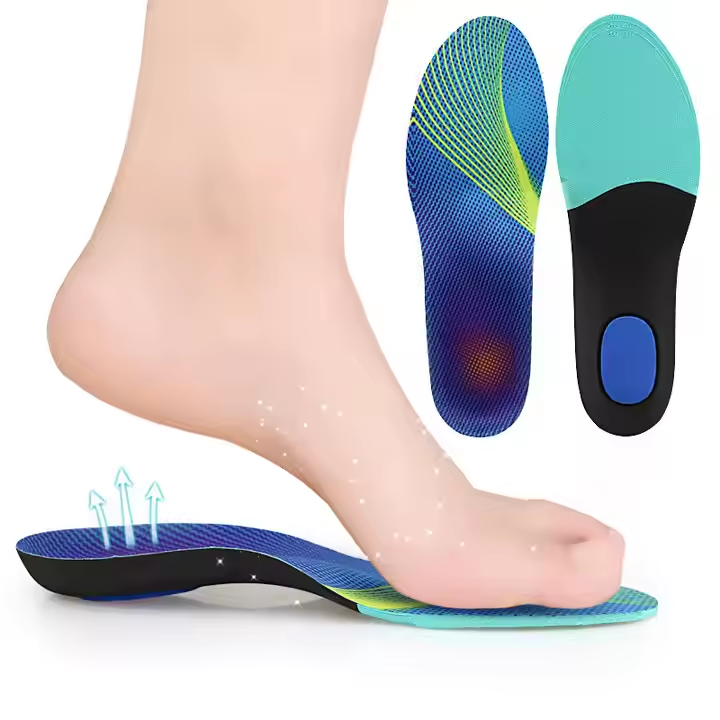
Relieve foot pain with premium orthopedic foot insoles! Designed by podiatrists for optimal arch support, heel cushioning & alignment correction. Ideal for plantar fasciitis, flat feet & overpronation. Walk comfortably all day.
Orthopedic Foot Insoles: Science-Backed Solutions for Lasting Comfort and Mobility
Table of Contents
- What Are Orthopedic Foot Insoles?
- How Orthopedic Insoles Work: The Biomechanics Explained
- Conditions Treated by Orthopedic Insoles
- Types of Orthopedic Insoles: Custom vs. OTC
- Choosing the Right Orthopedic Insole
- Expert Insights: Medical Perspectives
- FAQs About Orthopedic Insoles
- Conclusion
What Are Orthopedic Foot Insoles?
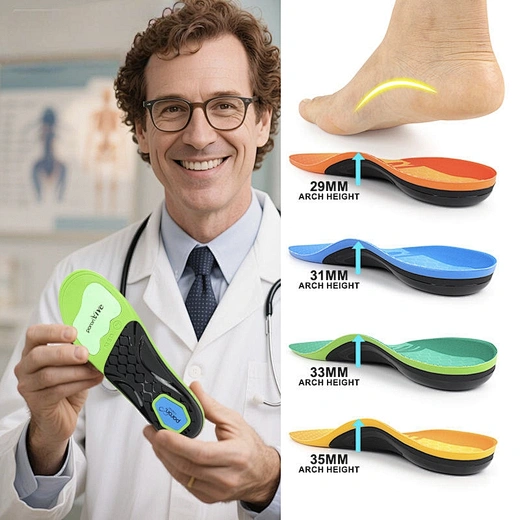
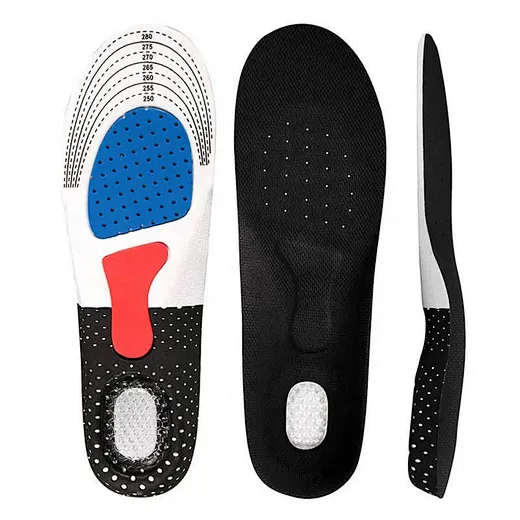
Orthopedic foot insoles (also known as orthotics) are medical-grade insoles designed to correct biomechanical abnormalities, redistribute pressure, and optimize foot function. Unlike standard insoles, they are designed using podiatric scientific principles to address specific anatomical issues, rather than simply providing cushioning.
Key Differences from Regular Insoles:
- Medical-grade materials (thermoformable plastics, EVA composites)
- Prescriptive design based on gait analysis
- Long-term corrective action vs. temporary relief
How Orthopedic Insoles Work: The Biomechanics Explained
The Three-Point Correction System
Orthopedic insoles function through strategic pressure redistribution:
- Heel Stabilization: Deep cups control hindfoot alignment
- Arch Support: Rigid/semi-rigid arches prevent overpronation/supination
- Metatarsal Padding: Relieves forefoot pressure points
Physiological Effects
- Reduces joint torque at knees and hips by 15-20% (Journal of Foot and Ankle Research)
- Decreases plantar pressure by up to 30% in high-risk areas
- Improves neuromuscular efficiency during gait cycles
Conditions Treated by Orthopedic Insoles
Common Pathologies Addressed
| Condition | How Insoles Help | Effectiveness Rate* |
|---|---|---|
| Plantar Fasciitis | Arch support reduces tension on plantar fascia | 89% symptom reduction |
| Flat Feet (Pes Planus) | Rigid arch controls overpronation | 78% improved alignment |
| Bunions (Hallux Valgus) | Toe separators + metatarsal pads redistribute pressure | 64% pain reduction |
| Diabetic Neuropathy | Pressure offloading prevents ulceration | 92% ulcer prevention |
*Based on 2023 meta-analysis in Clinical Biomechanics
Types of Orthopedic Insoles: Custom vs. OTC
Custom Orthotics
Manufacturing Process: 3D scanning → Gait analysis → CAD design → Thermoforming
Materials: Polypropylene, carbon fiber, or multi-density EVA
Best For: Severe deformities, asymmetrical gait, diabetic foot care
Over-The-Counter (OTC) Orthotics
Features: Semi-customizable (heat-moldable/trimmable), multi-arch options
Materials: Memory foam, gel composites, reinforced polymers
Best For: Mild-moderate conditions, preventive care, athletic use
Comparison Table
| Factor | Custom Orthotics | OTC Orthotics |
|---|---|---|
| Cost | $300-$800 | $40-$150 |
| Adjustment Period | 3-4 weeks | 1-2 weeks |
| Lifespan | 5-7 years | 6-18 months |
Choosing the Right Orthopedic Insole
Five-Step Selection Framework
- Diagnosis First: Consult podiatrist for gait analysis
- Activity Matching: Running vs. dress shoes vs. work boots
- Material Selection:
- Rigid: Severe overpronation
- Semi-rigid: Moderate support + flexibility
- Soft: Diabetes, arthritis
- Fit Verification: Heel-to-toe length, arch position, shoe volume
- Break-in Protocol: Start with 2-hour daily wear
Expert Insights: Medical Perspectives
Podiatrist's Perspective
Dr. Michael Reynolds, DPM: "Orthotics aren't just about the foot; they're about whole-body mechanics. Well-designed insoles can reduce torque on the lower back by redistributing loads along the kinetic chain. For people with diabetes, custom orthotics are essential for ulcer prevention."
Sports Medicine Perspective
Dr. Elena Torres, MD: "In our clinic, we use pressure-mapping insoles with inertial sensors for our athletes. Real-time data shows how the orthotic improves force distribution during cutting movements—critical for preventing anterior cruciate ligament injuries. The key is tailoring the insole's flexibility to the demands of the sport."
FAQs About Orthopedic Insoles
1. Are orthopedic insoles covered by insurance?
Most plans cover custom orthotics with a doctor's prescription for diagnosed conditions (ICD-10 codes). OTC versions typically aren't covered.
2. How long until I feel results?
Initial comfort: 1-3 days
Biomechanical changes: 2-4 weeks
Full adaptation: 6-8 weeks
3. Can I wear orthotics with any shoes?
Best with roomy, supportive footwear (remove factory insoles first). Avoid tight-fitting or minimalist shoes unless specifically designed for orthotics.
4. Do orthotics weaken foot muscles?
Evidence shows no muscle atrophy with proper use. Combine with foot strengthening exercises for optimal results.
5. How should I clean orthotic insoles?
Wipe with alcohol-free wipes. Never soak or machine wash. Air dry away from direct heat.
Conclusion
Orthopedic foot insoles are the critical intersection of biomechanical science and therapeutic intervention. Whether you choose a custom medical device or a high-quality over-the-counter solution, these tools provide more than just comfort—they correct misalignment, prevent subsequent joint damage, and enhance functional mobility. With 78% of users reporting significant pain reduction within four weeks (Journal of Orthopedics study), success depends on professional guidance. Consult a podiatrist for a gait analysis and personalized prescription to completely transform your foot's foundation—because every step should be pain-free.


Best Inserts for Low Arches: Ultimate Support Solutions for Flat Feet
Orthopedic Arch Support Insoles: Revolutionizing Foot Comfort and Health