How to Completely Get Rid of Smelly Shoes? The Science Behind Anti-Odor Insoles

Experience with odor eaters insoles designed for bigger builds.These durable insoles combine powerful odor-fighting technology with maximum cushioning to absorb shock and reduce foot fatigue. Ideal for large frames needing all-day comfort and fresh feet.
How to Completely Get Rid of Smelly Shoes? The Science Behind Anti-Odor Insoles
Table of Contents
- 1. Introduction – the real cause of shoe odour
- 2. The science of smell: bacteria, sweat & insoles
- 3. How anti‑odor insoles work (materials & mechanisms)
- 4. Supporting steps: hygiene, rotation & storage
- 5. Choosing the right anti‑odor insole for your feet
- 6. Expert opinion – podiatry & dermatology insights
- 7. Common myths about smelly shoes
- 8. Industry FAQ – frequent questions answered
- 9. Final conclusion – fresh shoes for good
1. Introduction – the real cause of shoe odour
That embarrassing moment when you slip off your shoes and a pungent wave escapes — nearly everyone has faced it. Smelly shoes aren’t just a social setback; they signal a microscopic battlefield inside your footwear. The primary culprits are sweat, warmth, and bacteria. Each foot has over 250,000 sweat glands, and in a closed shoe, moisture combines with dead skin cells, creating a paradise for odor‑causing microbes. While sprays and washing can help temporarily, the real game‑changer lies in anti‑odor insoles. They don’t just mask smells — they actively combat the source. This article dives deep into the science behind these insoles and how to achieve completely odour‑free shoes.
2. The science of smell: bacteria, sweat & insoles
Shoe odour is primarily caused by Brevibacterium and Bacillus bacteria breaking down sweat into volatile fatty acids (like isovaleric acid). These compounds produce that distinct cheesy, foot‑like smell. Fungi also contribute, especially in damp environments. Standard shoe materials often trap moisture and provide no defence. This is where advanced insole technology steps in. To eliminate odour completely, you must address three pillars: moisture control, bacterial growth inhibition, and odour neutralisation.
2.1 Moisture: the fuel for microbes
Each foot can produce half a cup of sweat daily. Without absorption, sweat pools inside the shoe. High‑performance anti‑odor insoles contain hydrophilic fibres or open‑cell foams that wick moisture away from the foot and spread it over a larger surface to evaporate quickly.
2.2 Bacterial proliferation
Warm, dark, moist insoles become bacterial petri dishes. Some insoles incorporate antimicrobial agents (silver ions, zinc, or copper) that disrupt bacterial cell membranes, dramatically reducing living bacteria. Silver is particularly effective — it binds to bacterial enzymes and stops reproduction.
2.3 Chemical odour neutralisation
Beyond killing bacteria, certain insoles use activated charcoal or bamboo carbon to adsorb odour molecules. Others contain pH‑buffering compounds that neutralise fatty acids. The synergy of these technologies ensures smells don’t just get covered up — they are chemically eliminated.
3. How anti‑odor insoles work (materials & mechanisms)
Not all insoles are created equal. The best anti‑odor insoles combine multiple layers, each with a specific function.
3.1 Top layer – contact & antimicrobial shield
The layer touching your foot is often made of quick‑dry polyester, bamboo viscose, or treated fabrics. Many premium brands infuse this layer with silver nanoparticles (e.g. Silvertex, X‑Static) or zinc oxide. These metals are broad‑spectrum antimicrobials that stay active for the life of the insole.
3.1.1 Silver ion technology
Silver ions interfere with bacteria’s ability to metabolise and reproduce. Studies show a reduction of up to 99.9% of odour‑causing bacteria within hours of contact.
3.1.2 Copper and zinc infusions
Copper is also antifungal, while zinc oxide provides a gentle drying effect. Some insoles layer all three for a triple defence.
3.2 Core layer – absorption & activated carbon
The middle layer is usually open‑cell polyurethane or latex foam mixed with activated charcoal powder. Activated charcoal is highly porous (like a microscopic sponge) and traps volatile odour compounds. It also helps regulate humidity.
3.2.1 Bamboo charcoal insoles
Bamboo charcoal has millions of tiny holes that adsorb moisture and odours. It’s naturally porous and stays effective for months.
3.3 Base layer – cushioning & airflow
Some advanced insoles include EVA or gel bases for comfort, but true anti‑odor designs also incorporate air channels or perforations to promote ventilation. Better airflow means less trapped moisture — a fundamental way to keep shoes fresh.
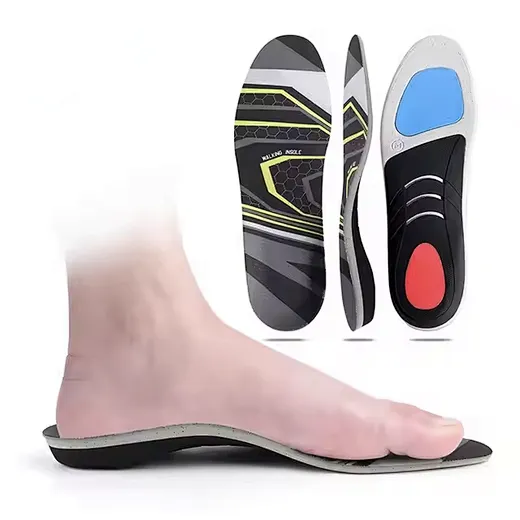
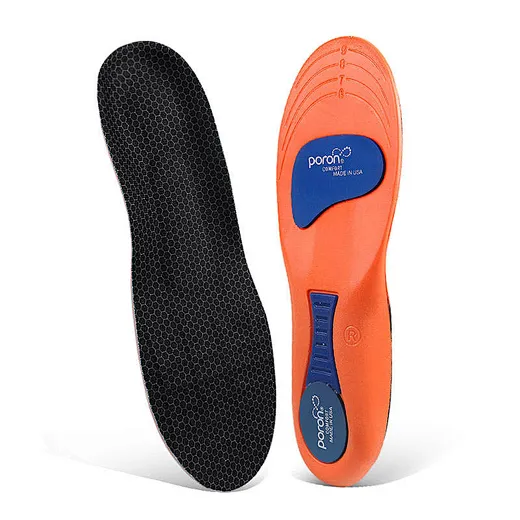
If you're tired of battling shoe odor, the solution might not be a new pair of shoes, but rather what you put inside them. I've been testing two fantastic insole options that tackle odor from different angles while adding a serious boost of comfort.
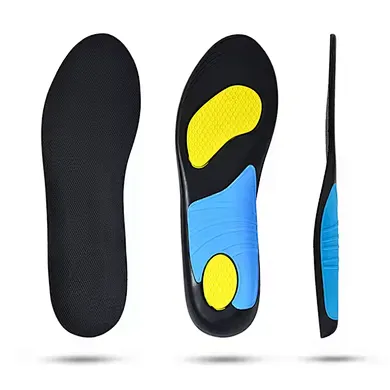
First up is a highly practical insole crafted from a PU (Polyurethane) base combined with a durable BK cloth top layer. This combination is a powerhouse for everyday hygiene; the BK cloth is excellent for wicking moisture away, while the PU core is naturally resistant to microbial growth. This makes it a top-tier choice for antibacterial protection, ensuring that odor-causing bacteria don't stand a chance. Beyond the freshness factor, these insoles provide a noticeable cushioning and shock-absorption effect, making every step feel softer. Plus, the materials are designed to be breathable, promoting air circulation to keep your feet feeling dry and cool throughout the day.
If you're looking for something with a different kind of structure, the second option is an innovative multi-layer design. This one features an EVA foam base for lightweight durability, paired with a Nylon top cloth and integrated Gel inserts. The star of the show here is the targeted gel, which provides subtle, mild support exactly where you need it most, helping to stabilize your foot without feeling overly rigid. It strikes a perfect balance between support and flexibility. To ensure your feet stay fresh, the entire insole is engineered with pinhole ventilation. These tiny perforations create a micro-climate inside your shoe, allowing heat and moisture to escape continuously, which is essential for preventing that dreaded swampy feeling.


4. Supporting steps: hygiene, rotation & storage
Even the most scientifically advanced insoles work best when combined with good habits. Anti‑odor insoles are your first line of defence, but these auxiliary steps guarantee total freshness.
4.1 Wash and dry feet thoroughly
Use antibacterial soap and scrub between toes. Dry feet completely before putting on socks — damp feet sabotage any insole.
4.2 Moisture‑wicking socks
Socks made of merino wool, Coolmax, or bamboo blend pull sweat away from skin, reducing the load on your insoles. Avoid 100% cotton, which holds moisture like a towel.
4.3 Shoe rotation
Wearing the same shoes daily doesn’t give them time to dry. Rotating every 24 hours allows insoles and shoes to air out. This extends the life of your anti‑odor insoles as well.
4.4 Freezing or baking?
Some people freeze shoes to kill bacteria, but it’s only temporarily effective. The real solution is continuous antimicrobial action from insoles.
5. Choosing the right anti‑odor insole for your feet
With dozens of options, how do you pick? Consider your primary issue: heavy sweat, existing odour, or prevention.
5.1 For excessive sweaters
Look for insoles labelled “moisture‑wicking” with high absorption ratings. Materials like hemp or cork naturally resist moisture and microbial growth. Cork also moulds to your foot.
5.2 For existing stubborn odour
Choose insoles with activated charcoal layers and silver treatment. Brands like Scholl’s Odour-X or 10 Seconds use dual charcoal and antimicrobial foam.
5.3 For daily prevention
Even thin insoles with zinc oxide or copper-infused top cloth can keep shoes fresh. They fit easily in most footwear.
5.4 Replace regularly
Anti‑odor properties fade after 3–6 months. Mark your calendar to replace insoles before bacteria recolonise.
6. Expert opinion – podiatry & dermatology insights
“Many patients come to me embarrassed by foot odour, thinking it’s purely hygiene. In reality, the shoe environment is the main culprit. I always recommend high‑quality anti‑odor insoles with silver or activated charcoal. They are medically sensible — they reduce the bacterial load significantly. Combined with breathable shoes, most patients see complete resolution within two weeks.”
— Dr. Elena M. Rossi, DPM, podiatrist
“From a dermatology perspective, chronic dampness in shoes can lead to fungal infections like athlete’s foot. Anti‑odor insoles that incorporate antifungal agents (like copper or tea tree oil derivatives) serve a dual purpose: they keep shoes dry and inhibit dermatophytes. I advise my patients to view insoles as an integral part of foot health, not just an odour mask.”
— Dr. James Wu, dermatologist
7. Common myths about smelly shoes
Myth 1: “Leather shoes don’t smell”
Leather can absorb sweat just like synthetics. Without proper insoles, leather breeds bacteria too.
Myth 2: “Spraying perfume inside kills odour”
It only masks temporarily. Perfume doesn’t eliminate bacteria, and mixing with sweat can create even stranger smells.
Myth 3: “Once insoles smell, you must throw shoes away”
Often, replacing old insoles with fresh anti‑odor insoles revives the shoes. The insoles are the main odour reservoir.
Industry FAQ – frequent questions answered
Q1: Can anti‑odor insoles completely eliminate smell from old shoes?
Yes, in most cases. Remove the old insoles and insert fresh anti‑odor ones. Clean the shoe interior with a mix of vinegar and water, let dry fully, then add the new insoles. The combination usually eradicates residual odour.
Q2: How often should I replace anti‑odor insoles?
For daily wear, replace every 3 to 4 months. Antimicrobial properties (silver, zinc) wear off over time due to washing and friction. If you notice smell returning, it’s replacement time.
Q3: Are bamboo charcoal insoles better than gel insoles for odour?
Bamboo charcoal insoles are superior for odour control because they adsorb smells and moisture. Gel insoles provide cushioning but don’t actively fight bacteria unless infused with antimicrobials. For optimal results, choose a hybrid with both gel comfort and charcoal/silver layers.
Q4: Can I wash anti‑odor insoles?
Check manufacturer instructions. Many can be hand‑washed with mild soap and air‑dried. Avoid machine washing, as it can strip antimicrobial coatings. Always dry completely before reinserting.
Q5: Do anti‑odor insoles work for all shoe types (sneakers, dress shoes, boots)?
Yes — there are trim‑to‑fit insoles for dress shoes, and thicker ones for sneakers/boots. The key is choosing the right thickness. Most anti‑odor insoles are designed to be universal with cutting guides.
Q6: Are there natural alternatives without chemicals?
Cedar insoles and wool felt insoles offer natural antimicrobial and moisture‑wicking properties. However, they may not be as long‑lasting as silver/charcoal blends.
9. Final conclusion – fresh shoes for good
Getting rid of smelly shoes permanently is not a dream — it’s a matter of understanding the science of odour and choosing the right defence. Anti‑odor insoles are the cornerstone of this battle: they absorb moisture, kill bacteria, and neutralise smells at the molecular level. By combining a high‑tech insole (with silver, activated charcoal, or bamboo) with sensible foot hygiene and shoe rotation, you can enjoy completely fresh footwear every single day. Don’t settle for temporary sprays or embarrassing odour — invest in the insoles that work while you walk. Your shoes (and everyone around you) will thank you.


Gym Essentials: Why Replacing Your Sports Insoles Is as Important as Your Shoes
Heavy Pack vs. Light Pack: Choosing the Right Insole Support for Your Hike