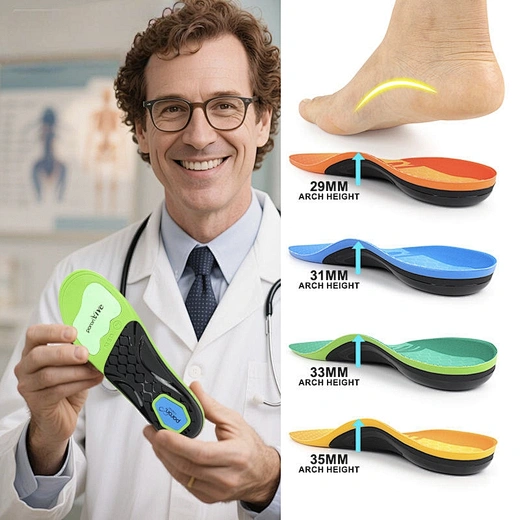
Stop Ball-of-Foot Pain: A Comprehensive Guide to Metatarsal Pads and Support Insoles
Relieve ball-of-foot pain with our insoles featuring metatarsal support. These orthopedic inserts reduce pressure on the forefoot, provide arch cushioning, and improve alignment. Ideal for conditions like metatarsalgia or long hours standing.
Stop Ball-of-Foot Pain: A Comprehensive Guide to Metatarsal Pads and Support Insoles
Table of Contents
- What is Ball-of-Foot Pain?
- Common Causes of Metatarsalgia
- What Are Metatarsal Pads and How Do They Work?
- The Role of Support Insoles in Alleviating Pressure
- How to Choose the Right Metatarsal Pads and Insoles
- A Step-by-Step Guide to Using These Products Correctly
- Expert Insights and Recommendations
- Frequently Asked Questions (FAQ)
- Conclusion: Taking the Next Step Toward Pain-Free Feet
What is Ball-of-Foot Pain?
Ball-of-foot pain, medically known as metatarsalgia, is a common condition characterized by pain and inflammation in the metatarsal region—the area just before the toes on the sole of the foot. This area bears a significant portion of your body weight during walking, running, or standing, making it susceptible to stress and discomfort. The pain often feels like a burning sensation, sharp ache, or the feeling of walking on pebbles. It can severely impact daily activities and quality of life if left unaddressed.
This type of foot pain is often a symptom of improper weight distribution, where excessive pressure is concentrated on the metatarsal heads instead of being evenly spread across the foot. This is where targeted footwear solutions like metatarsal pads and support insoles become invaluable tools for relief and recovery.
Common Causes of Metatarsalgia
Biomechanical Factors
High arches, flat feet, or an abnormal gait can alter the way weight is distributed across your feet, leading to excessive pressure on the metatarsals. A tight Achilles tendon or weak foot muscles can also contribute to this imbalance.
Footwear Choices
High-heeled shoes, shoes with a narrow toe box, or footwear lacking adequate cushioning are primary culprits. They force the foot into an unnatural position, overloading the forefoot.
Physical Activities and Weight
High-impact sports, prolonged standing, or sudden increases in activity level can strain the metatarsals. Additionally, excess body weight directly increases the load on the forefoot with every step.
Underlying Medical Conditions
Arthritis, Morton's neuroma, stress fractures, or bursitis can manifest as pain in the ball of the foot. It’s crucial to consult a healthcare professional for an accurate diagnosis.
What Are Metatarsal Pads and How Do They Work?
Metatarsal pads are small, often dome-shaped or teardrop-shaped cushioning devices designed to be placed in your shoe just behind the ball of the foot. They are not positioned directly under the painful area but slightly proximal to it.
The Principle of Off-Loading
Their primary function is biomechanical off-loading. By gently lifting and supporting the transverse arch of the foot (the arch across the metatarsals), they redistribute pressure away from the sensitive metatarsal heads. This effectively "spreads out" the impact force over a larger area, relieving the pinpoint pressure that causes pain.
Key Benefits of Using Metatarsal Pads:
- Immediate Pain Relief: They can provide near-instant cushioning and comfort.
- Improved Weight Distribution: They promote a more natural and even foot strike.
- Prevention of Further Injury: By reducing stress, they help prevent conditions like stress fractures or worsening of a neuroma.
The Role of Support Insoles in Alleviating Pressure
While metatarsal pads target a specific area, full-length support insoles address the foot as a whole. These are not the flimsy, generic cushions that come with shoes. Quality support insoles are engineered devices designed to correct alignment, absorb shock, and provide structural support.
How Support Insoles Complement Metatarsal Pads
Think of the foot as a complex mechanical structure. If the arch collapses (overpronation) or is too rigid (high arches), it disrupts the entire kinetic chain, often leading to forefoot pain. Support insoles with proper arch support stabilize the foot, bringing it back into a neutral position. This corrects the root cause of the uneven pressure distribution. When combined with a metatarsal pad, the insole ensures the pad stays in the correct position and enhances its effectiveness by creating an optimal foundation.
The Multifaceted Benefits of Support Insoles:
- Arch Support: Prevents overpronation or supination, ensuring proper alignment from heel to toe.
- Shock Absorption: Materials like gel, foam, or specialized polymers cushion each step, reducing impact forces transmitted to the metatarsals.
- Enhanced Stability: They improve overall balance and foot function, which can reduce fatigue and prevent pain in other areas like knees and hips.
- Long-Term Correction: They can help retrain your gait and posture for lasting benefits.
How to Choose the Right Metatarsal Pads and Insoles
Selecting Metatarsal Pads
Material: Look for medical-grade silicone, gel, or high-density foam. Silicone is durable and provides excellent cushioning. Size and Shape: The pad should be wide enough to cover the metatarsal area but not so large it crowds the toes. Dome-shaped pads are most common. Placement: Many are self-adhesive for secure placement on the insole of your shoe.
Selecting Support Insoles
Arch Type: Determine if you have low, medium, or high arches. Many insole brands offer models tailored to each type. Activity Level: Choose insoles designed for your primary activity (e.g., running, walking, work). Material and Construction: A multi-layer design is ideal—a soft top layer for comfort, a firm middle layer for support, and a durable bottom layer. Look for features like a deep heel cup and a metatarsal support dome built-in.
Pro Tip: For severe or persistent pain, consider custom orthotics prescribed by a podiatrist. These are tailor-made to your foot's exact contours and biomechanical needs.
If you're dealing with metatarsal pain (also known as metatarsalgia), finding the right support can make a significant difference in your daily comfort. Here are two excellent options to consider, each designed to target and alleviate pressure in the ball of the foot:
-
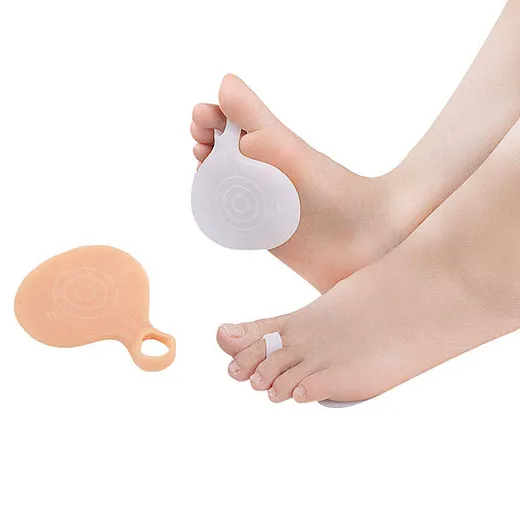
SEBS Metatarsal Pad
Crafted from flexible and durable SEBS material, this pad is designed to gently lift and separate the metatarsal bones, effectively redistributing pressure away from painful areas. Its soft yet resilient structure provides comfortable cushioning while promoting better foot alignment. Ideal for all-day wear in various types of footwear, it helps reduce strain during standing, walking, or running. -
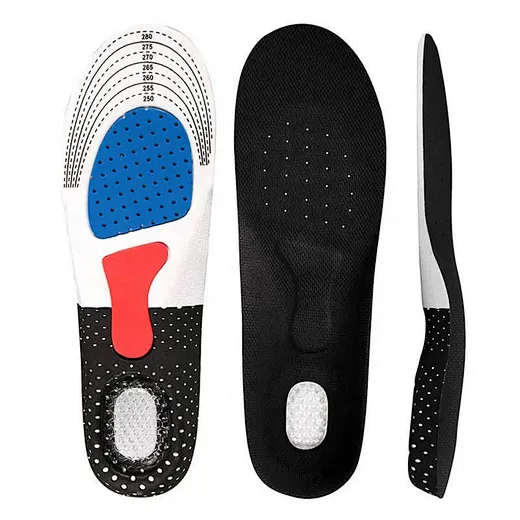
Gel Arch Support Insole with Metatarsal Relief
This insole combines a soft gel metatarsal pad with firm arch support to address not only forefoot pain but also overall foot biomechanics. The gel pad offers shock absorption at the ball of the foot, while the supportive arch helps stabilize your stride and prevent overpronation—a common contributor to metatarsal stress. Made from high-quality silicone gel, it molds comfortably to your foot shape, providing lasting relief and improved weight distribution.
Both options are easy to insert into most closed shoes and can be a simple, non-invasive way to manage discomfort. Choosing between them depends on whether you need focused metatarsal cushioning (SEBS pad) or comprehensive support that includes arch stabilization (gel insole). Always ensure proper fit and placement for optimal results.


A Step-by-Step Guide to Using These Products Correctly
For Metatarsal Pads:
- Identify the Pain Point: Feel for the most tender spot on the ball of your foot.
- Position the Pad: Place the pad on the insole of your shoe so its thickest part sits just behind (toward the heel from) the painful metatarsal heads. It should NOT be directly under them.
- Test and Adjust: Put on your shoe and walk around. The pain should lessen. If discomfort increases, the pad is likely too far forward. Reposition until you find the "sweet spot."
For Support Insoles:
- Remove the Existing Insole: Take out the factory insole from your shoe to make room.
- Insert the Support Insole: Ensure it lies flat with the heel cup snugly cradling your heel.
- Check Fit: Your shoe should not feel excessively tight. You may need a slightly larger shoe size when adding substantial insoles.
- Break Them In: Wear your new insoles for a few hours each day initially to allow your feet to adapt.
Combination Use: You can often apply a metatarsal pad directly onto the surface of a support insole for a combined solution.
Expert Insights and Recommendations
"Ball-of-foot pain is frequently a problem of mechanics, not just a lack of cushioning. While rest and ice can reduce inflammation, long-term relief requires addressing the faulty pressure distribution. I always recommend a dual approach: targeted off-loading with a well-positioned metatarsal pad combined with full-foot stabilization from a quality support insole. This combination treats both the symptom and the underlying cause. It's also critical to ensure your footwear has adequate room in the toe box to allow this equipment to work effectively."
— Dr. Sarah Chen, DPM, Board-Certified Podiatrist and Sports Medicine Specialist.
Experts also emphasize that while these products are highly effective for mechanical pain, they are not a substitute for professional medical diagnosis. If pain is severe, sudden, or accompanied by numbness or tingling, a podiatrist's evaluation is essential to rule out conditions like fractures or neuromas that may require different treatment.
Frequently Asked Questions (FAQ)
Can I wear metatarsal pads in any type of shoe?
They work best in closed-toe shoes with a removable insole, such as sneakers, loafers, or work boots. They are difficult to use in sandals, high heels with little sole space, or very minimalist shoes. Look for low-profile pads designed for dress shoes if needed.
How long does it take for insoles and pads to relieve pain?
Many people experience immediate cushioning relief. However, for corrective biomechanical changes to take full effect and provide lasting pain reduction, it may take 1-3 weeks of consistent use as your muscles and joints adapt to the improved alignment.
Are over-the-counter insoles as good as custom orthotics?
High-quality over-the-counter (OTC) insoles are excellent for most common cases of metatarsalgia and offer great value. Custom orthotics are medically necessary for complex biomechanical issues, significant deformities, or when OTC options have failed. They are prescription devices made from a mold or scan of your foot.
Can I wash my support insoles and metatarsal pads?
Yes, but follow manufacturer instructions. Typically, non-adhesive pads and the top covers of insoles can be hand-washed with mild soap and air-dried. Never put them in a clothes dryer or use harsh chemicals, as this can break down the materials.
Will these products make my shoes too tight?
They can add volume inside your shoe. When purchasing support insoles, it's often recommended to try them on with your shoes in the store, or be prepared that you might need a shoe that is a half-size larger or has a wider toe box for optimal comfort.
Conclusion: Taking the Next Step Toward Pain-Free Feet
Ball-of-foot pain doesn't have to be a permanent hindrance. By understanding the mechanics behind metatarsalgia and strategically employing the right tools, you can reclaim comfort and mobility. The synergistic use of metatarsal pads for targeted pressure relief and support insoles for overall foot alignment and shock absorption represents a powerful, non-invasive solution for most individuals.
Start by assessing your footwear, consider your daily activities, and don't hesitate to invest in quality products designed for your specific foot type. Remember, the most effective approach is often a combined one. Listen to your feet, adjust as needed, and consult a foot care professional for persistent issues. Taking proactive steps today with the right shoe insoles and accessories can lead to a more active, comfortable, and pain-free tomorrow.


Comfort with Bunions? How Corrective Insoles Can Help
Beyond Comfort: How Arch Support Insoles Improve Your Overall Alignment