Metatarsal Support Insoles: Your Complete Guide to Pain Relief

Discover specialized metatarsal support insoles designed to relieve ball-of-foot pain.These orthotics feature targeted metatarsal pads that redistribute pressure,alleviate discomfort from conditions like Morton's neuroma,and promote proper foot alignment.
Metatarsal Support Insoles: Your Complete Guide to Pain Relief
Discover how specialized insoles can alleviate forefoot pain and transform your daily comfort
Table of Contents
Understanding Metatarsal Pain and Support Needs
The metatarsal bones are five long bones in the middle of your foot that connect your ankle to your toes. These bones bear significant weight and pressure during standing, walking, and running. When this area becomes overloaded or improperly supported, it can lead to a range of painful conditions collectively known as metatarsalgia.
Common causes of metatarsal pain include:
- High-impact activities like running or jumping
- Wearing ill-fitting footwear with narrow toe boxes
- Excessive pressure on the ball of the foot
- Certain foot shapes like high arches or long second toes
- Medical conditions including arthritis, diabetes, or Morton's neuroma
Metatarsal support insoles are specifically designed to address these issues by redistributing pressure away from sensitive areas and providing targeted cushioning and support to the metatarsal region.
How Metatarsal Support Insoles Work
Metatarsal support insoles function through several key mechanisms to alleviate pain and improve foot function:
Pressure Redistribution
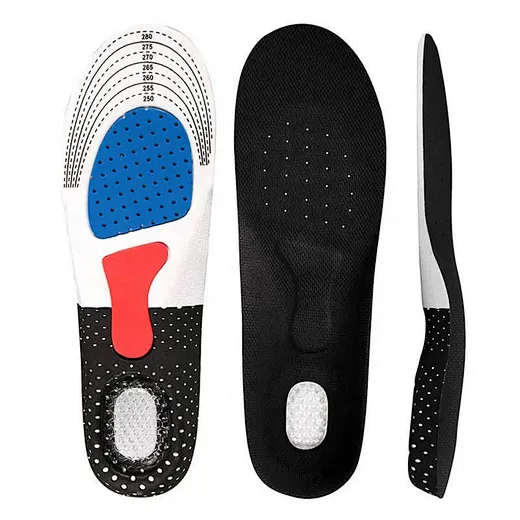
These insoles feature a metatarsal pad or dome positioned just behind the ball of the foot. This pad gently lifts and separates the metatarsal bones, which helps to:
- Reduce direct pressure on the metatarsal heads
- Improve weight distribution across the entire foot
- Prevent nerve compression that can lead to conditions like Morton's neuroma
Shock Absorption
Quality metatarsal insoles incorporate advanced cushioning materials such as medical-grade gel, memory foam, or poron foam that absorb impact forces during walking or running. This is particularly important for athletes or individuals who spend long hours on their feet.
Biomechanical Correction
Many metatarsal support insoles also provide arch support and heel stabilization to address underlying biomechanical issues that may contribute to metatarsal pain. By improving overall foot alignment, these insoles help prevent future problems.
Key Features of Quality Metatarsal Insoles
When selecting metatarsal support insoles, look for these essential features:
Metatarsal Pad Design
The metatarsal pad should be positioned correctly for your foot size and shape. Some advanced models offer adjustable pads that can be moved to target specific pain points.
Material Quality
High-quality insoles use medical-grade materials that provide both comfort and durability. Look for:
- Shock-absorbing layers for impact protection
- Moisture-wicking top covers to keep feet dry
- Antimicrobial treatments to prevent odor and bacterial growth
Arch Support Integration
Effective metatarsal insoles typically include integrated arch support to maintain proper foot alignment and prevent overpronation or supination that can exacerbate metatarsal issues.
Customizability
Many quality insoles are heat-moldable or trimmable to ensure a perfect fit for your feet and shoes.
Conditions Benefited by Metatarsal Support
Metatarsal support insoles can provide relief for various foot conditions:
Metatarsalgia
Generalized pain and inflammation in the ball of the foot, often caused by excessive pressure or impact.
Morton's Neuroma
A painful condition involving thickened nerve tissue between the third and fourth toes, often aggravated by tight shoes.
Sesamoiditis
Inflammation of the sesamoid bones and surrounding tendons beneath the big toe joint.
Plantar Fasciitis
While primarily a heel condition, proper metatarsal support can improve overall foot mechanics and reduce strain on the plantar fascia.
Arthritis
Both osteoarthritis and rheumatoid arthritis can affect the metatarsal joints, and supportive insoles can alleviate discomfort.
Diabetic Foot Care
For individuals with diabetes, metatarsal insoles help redistribute pressure and reduce the risk of foot ulcers.
Choosing the Right Metatarsal Insoles
Selecting the appropriate metatarsal support insoles depends on several factors:
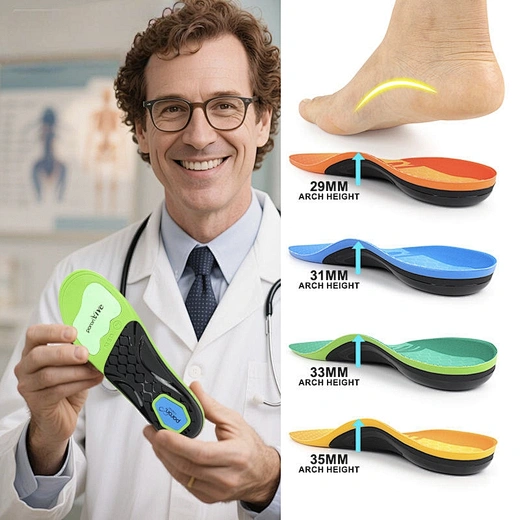
Foot Type and Arch Height
Your natural arch height significantly impacts how pressure distributes across your metatarsals:
- High arches often require more pronounced metatarsal support
- Flat feet may benefit from insoles that combine metatarsal support with motion control features
- Neutral arches typically do well with moderate metatarsal padding
Activity Level and Footwear
Consider where and how you'll be using the insoles:
- Athletic activities require durable, moisture-wicking insoles with enhanced shock absorption
- Work environments demand supportive insoles that can withstand long hours of standing
- Dress shoes need slim-profile insoles that provide support without taking up too much space
Specific Pain Points
Identify exactly where you experience discomfort:
- Generalized ball-of-foot pain benefits from full metatarsal pads
- Pain between specific toes may require targeted support
- Combined arch and metatarsal pain needs comprehensive orthotic design
Expert Insights on Metatarsal Support
Dr. Rebecca Simmons, DPM - Podiatric Surgeon
"In my practice, I've found that properly positioned metatarsal support is crucial for patients with forefoot pain. Many people mistakenly place pads directly under the painful area, which can actually increase discomfort. The pad should sit just behind the metatarsal heads to lift and separate the bones, creating space and reducing pressure on nerves and joints."
Michael Torres - Certified Pedorthist
"When fitting patients with metatarsal support insoles, I emphasize the importance of gradual adaptation. Start by wearing the insoles for just a few hours each day, gradually increasing usage as your feet adjust. This allows the musculoskeletal system to adapt to the new support pattern without causing additional strain."
Dr. Amanda Chen - Sports Medicine Specialist
"For athletes experiencing metatarsal pain, I recommend insoles with targeted shock absorption in the forefoot. The repetitive impact of running or jumping places tremendous stress on the metatarsals. Quality insoles not only alleviate current pain but also help prevent stress fractures and other overuse injuries common in athletic populations."
Frequently Asked Questions
How long does it take to get used to metatarsal support insoles?
Most people require an adaptation period of 1-2 weeks. Start by wearing the insoles for 2-3 hours daily, gradually increasing usage. Some initial discomfort is normal as your feet adjust to the new support, but sharp pain indicates improper fit or positioning.
Can I trim metatarsal support insoles to fit my shoes?
Most quality metatarsal insoles are designed to be trimmed for custom fitting. Follow the manufacturer's guidelines and use sharp scissors. Be careful not to cut away the metatarsal pad or key support structures when trimming.
Are metatarsal support insoles suitable for people with diabetes?
Yes, but with important considerations. Diabetic individuals should opt for insoles with minimal seams and soft, pressure-redistributing materials to prevent skin irritation. Consult with a podiatrist or pedorthist for recommendations specific to diabetic foot care needs.
How often should I replace my metatarsal support insoles?
Replacement frequency depends on usage and material quality. Typically, replace every 6-12 months with regular use. Athletic insoles may need replacement every 3-6 months due to higher impact and moisture exposure. Signs it's time to replace include visible wear, flattened cushioning, or decreased pain relief.
Can metatarsal insoles be used with any type of footwear?
While designed to fit most shoes, extremely narrow or shallow footwear may not accommodate thicker metatarsal insoles. For dress shoes, look for slim-profile options. Always ensure your shoes have adequate depth to prevent crowding, which can worsen foot problems.
What's the difference between metatarsal pads and full metatarsal support insoles?
Metatarsal pads are individual components that can be added to existing insoles or shoes, while metatarsal support insoles are complete footbeds with integrated metatarsal support along with arch and heel features. Full insoles generally provide more comprehensive biomechanical correction.
Conclusion
Metatarsal support insoles represent a highly effective, non-invasive solution for various forms of forefoot pain. By properly redistributing pressure, absorbing shock, and improving overall foot alignment, these specialized insoles can significantly reduce discomfort and enhance mobility.
When selecting metatarsal support insoles, consider your specific foot type, activity level, and the particular nature of your discomfort. Quality construction, appropriate materials, and correct positioning of the metatarsal pad are crucial factors for optimal results.
Remember that while metatarsal insoles can provide substantial relief, they work best as part of a comprehensive approach to foot health that may include proper footwear, targeted exercises, and professional medical advice for persistent or severe conditions. Investing in the right metatarsal support can transform your daily comfort and help you maintain an active, pain-free lifestyle.


Can Flat Feet Be Corrected in Adults? Understanding Treatment Options
Insoles to Correct Overpronation: The Complete Guide to Proper Foot Alignment and Comfort