Insoles to Correct Overpronation: The Complete Guide to Proper Foot Alignment and Comfort
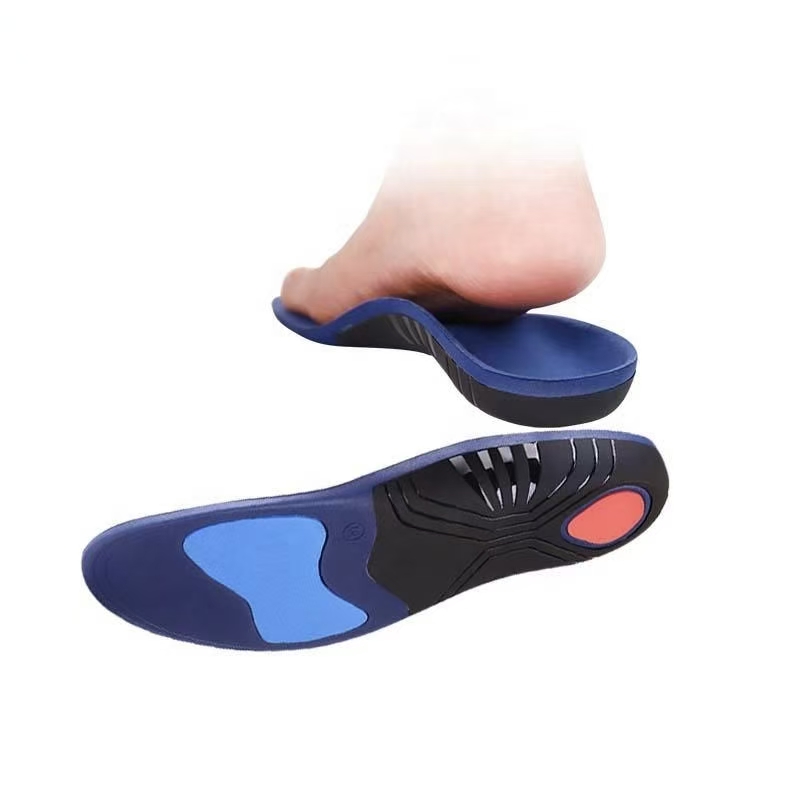
Discover how insoles to correct overpronation provide medial arch support and heel stabilization to improve foot alignment. These orthotics help redistribute pressure, reduce excessive inward rolling, and can alleviate associated knee or ankle discomfort during walking and running.
Insoles to Correct Overpronation: The Complete Guide to Proper Foot Alignment and Comfort
Table of Contents
- Understanding Overpronation: What It Is and Why It Matters
- How Specialized Insoles Correct Overpronation
- Key Features of Effective Overpronation Insoles
- Types of Insoles for Different Levels of Overpronation
- Expert Advice on Choosing and Using Overpronation Insoles
- Frequently Asked Questions About Overpronation Insoles
- Conclusion: Taking the Next Steps Toward Better Foot Health
Understanding Overpronation: What It Is and Why It Matters
What is Overpronation?
Overpronation is a biomechanical condition where the foot rolls inward excessively during the gait cycle. This natural motion, when exaggerated, can cause the arch to flatten more than normal, putting strain on muscles, tendons, and ligaments not designed to handle such stress.
The Impact of Untreated Overpronation
When left unaddressed, overpronation can lead to a cascade of physical issues throughout the body's kinetic chain:
Foot and Ankle Problems
- Plantar fasciitis - inflammation of the plantar fascia
- Posterior tibial tendonitis - strain on the tendon supporting the arch
- Bunions and hammertoes from abnormal pressure distribution
Knee, Hip, and Back Issues
- Patellofemoral pain syndrome (runner's knee)
- IT band syndrome from leg misalignment
- Hip pain and lower back discomfort
How Specialized Insoles Correct Overpronation
The Biomechanics of Correction
Overpronation-specific insoles work by addressing the root cause of the problem - improper foot alignment. They incorporate several design elements that collectively help restore natural foot positioning:
Arch Support Mechanism
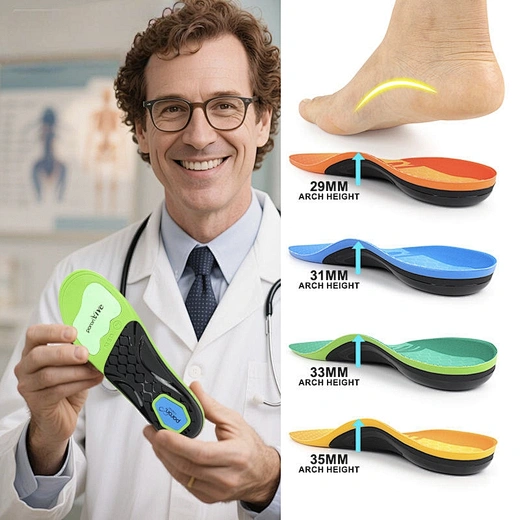
The primary function is to provide structured arch support that prevents the foot from collapsing inward. This support is typically firmer than regular insoles and is strategically placed to counteract the excessive inward roll.
Heel Stabilization
A deep heel cup cradles the heel bone (calcaneus), keeping it in neutral alignment and preventing the ankle from rolling inward excessively.
Forefoot Posting
Some advanced insoles feature varus or valgus wedging in the forefoot area to correct specific alignment issues that contribute to overpronation.
Key Features of Effective Overpronation Insoles
Essential Design Elements
When selecting insoles for overpronation, look for these critical features that differentiate them from standard insoles:
Firm Arch Support
Unlike cushioned insoles designed primarily for comfort, motion control insoles feature a firm, supportive arch that doesn't compress significantly under body weight.
Dual-Density Materials
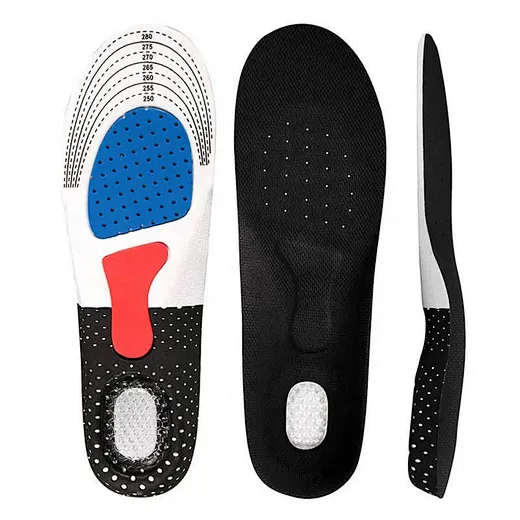
High-quality overpronation insoles use dual-density or multi-density materials - firmer materials on the medial (inner) side for stability and softer materials elsewhere for comfort.
Strategic Cushioning
While firmness is crucial for support, targeted cushioning in high-impact areas (heel and forefoot) helps absorb shock without compromising stability.
Additional Important Features:
- Medial posting - reinforced support on the inner edge
- Breathable materials to prevent moisture buildup
- Antimicrobial treatment for long-term hygiene
- Trimmable design for custom fit in different shoes
Types of Insoles for Different Levels of Overpronation
Mild Overpronation Insoles
For individuals with slight overpronation, typically characterized by arch drop of less than 10 degrees:
Characteristics:
- Moderate arch height
- Semi-rigid materials
- Often made from EVA foam or similar materials
- Good for daily wear and low-impact activities
Moderate Overpronation Insoles
Designed for those with more pronounced overpronation (arch drop of 10-20 degrees):
Characteristics:
- Firm arch support
- Reinforced medial side
- Often incorporate plastic or fiberglass components
- Suitable for running and high-impact sports
Severe Overpronation Insoles
For individuals with significant overpronation (arch drop exceeding 20 degrees) or specific medical conditions:
Characteristics:
- Rigid arch structure
- Custom or heat-moldable options
- Often require professional fitting
- May include additional corrective elements like heel wedges
Expert Advice on Choosing and Using Overpronation Insoles
Expert Insight: Dr. Sarah Mitchell, DPM
"Overpronation correction isn't just about adding support - it's about retraining the foot to function properly. The right insole should feel supportive but not painful. Many people make the mistake of choosing insoles that are too rigid, which can cause as many problems as they solve. The goal is progressive correction, not immediate perfection."
Dr. Mitchell recommends starting with moderate support insoles and gradually transitioning to firmer options as the feet adapt. She also emphasizes the importance of proper shoe selection - even the best insoles won't work effectively in shoes that are too flexible or worn out.
Breaking In Your New Insoles
Proper adaptation is crucial for success with overpronation insoles:
Week 1-2: Gradual Introduction
- Wear for 2-3 hours daily
- Focus on low-impact activities
- Monitor for any discomfort or pressure points
Week 3-4: Increased Usage
- Extend wearing time to 4-6 hours
- Begin incorporating normal activities
- Note any improvements in comfort or reduction in pain
Frequently Asked Questions About Overpronation Insoles
How long does it take to see results with overpronation insoles?
Most users notice immediate comfort improvements, but structural benefits and pain reduction typically take 2-4 weeks of consistent use. Significant biomechanical changes may require 3-6 months.
Can I use the same insoles in all my shoes?
While possible, it's better to have activity-specific insoles. Running shoes require different support characteristics than dress shoes or work boots. Many brands offer models tailored to specific activities.
Are custom orthotics better than over-the-counter options for overpronation?
For severe cases or specific medical conditions, custom orthotics are superior. However, modern over-the-counter options have advanced significantly and work well for mild to moderate overpronation at a fraction of the cost.
How often should I replace my overpronation insoles?
Replacement timing depends on usage: Daily wear: 6-12 months Athletic use: 3-6 months Visible wear: Replace immediately if you notice compression or loss of support
Can children use overpronation insoles?
Yes, but pediatric overpronation requires special consideration. Children's feet are still developing, so any corrective devices should be recommended by a pediatric podiatrist or orthopedic specialist.
Will insoles completely cure my overpronation?
Insoles are a management tool rather than a cure. They help control symptoms and prevent secondary issues. Many people benefit from combining insoles with strengthening exercises for long-term improvement.
Conclusion: Taking the Next Steps Toward Better Foot Health
Overpronation correction insoles represent a scientifically-backed approach to addressing one of the most common foot alignment issues. By providing targeted support, these specialized devices can alleviate pain, improve function, and prevent the cascade of problems that often accompanies untreated overpronation.
The key to success lies in proper selection based on your specific degree of overpronation, consistent use to allow for adaptation, and regular replacement to maintain effectiveness. Remember that insoles work best as part of a comprehensive approach that may include appropriate footwear, strengthening exercises, and professional guidance when needed.
If you suspect you have overpronation, consider consulting with a foot specialist who can provide personalized recommendations. With the right approach, you can significantly improve your foot health, enhance your comfort during daily activities, and potentially extend your ability to stay active for years to come.


Metatarsal Support Insoles: Your Complete Guide to Pain Relief
Do Insoles Help Plantar Fasciitis? A Comprehensive Guide to Pain Relief