Can Orthotic Insoles Help Relieve Plantar Fasciitis Pain?

Correct gait issues with specialized insoles for overpronation. These orthotics reduce excessive inward foot rolling, improve alignment, and help prevent common running injuries. Ideal for those seeking natural stride correction and joint health support.
Can Orthotic Insoles Help Relieve Plantar Fasciitis Pain?
Plantar fasciitis is a common and often debilitating condition that affects millions of people worldwide. Characterized by sharp, stabbing pain in the heel or along the arch of the foot, it can significantly impact daily activities and quality of life. Among the numerous treatment options available, orthotic insoles have gained prominence as a non-invasive and effective solution. This comprehensive guide explores the science behind orthotic insoles, their specific benefits for plantar fasciitis sufferers, and how to choose the right pair for lasting relief.
Table of Contents
- Understanding Plantar Fasciitis: The Root of the Pain
- How Orthotic Insoles Work: The Mechanics of Relief
- Evidence of Effectiveness: What Research Shows
- Types of Orthotic Insoles: From Over-the-Counter to Custom
- Choosing the Right Orthotic Insole: A Step-by-Step Guide
- Expert View: Insights from Medical Professionals
- Frequently Asked Questions (FAQs)
- Conclusion: A Step Toward Pain-Free Living
Understanding Plantar Fasciitis: The Root of the Pain
Plantar fasciitis involves inflammation of the plantar fascia, a thick band of tissue that runs across the bottom of the foot, connecting the heel bone to the toes. This fascia acts as a shock absorber and supports the arch of the foot. When subjected to excessive stress or strain, small tears can develop, leading to inflammation and pain. Common risk factors include prolonged standing, high-impact activities, obesity, flat feet, high arches, and wearing unsupportive footwear.
The pain is typically most severe with the first steps in the morning or after periods of rest, as the fascia tightens overnight. Without proper intervention, the condition can become chronic, leading to altered gait patterns and secondary issues in the knees, hips, and back.
The Role of Foot Mechanics in Plantar Fasciitis
Abnormal foot mechanics, such as overpronation (excessive inward rolling of the foot) or supination (outward rolling), place additional strain on the plantar fascia. This is where orthotic insoles come into play—by correcting these biomechanical imbalances, they can alleviate stress on the fascia and promote healing.
How Orthotic Insoles Work: The Mechanics of Relief
Orthotic insoles are specially designed shoe inserts that provide support, cushioning, and alignment correction for the feet. Unlike standard insoles that primarily offer cushioning, orthotics are engineered to address specific structural issues. Here’s how they help combat plantar fasciitis pain:
Arch Support and Stress Redistribution
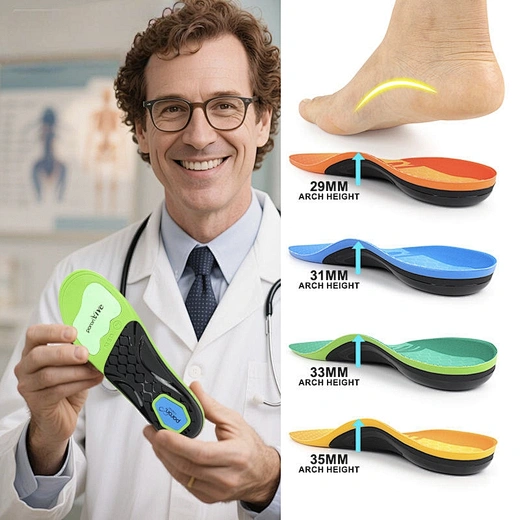
The primary function of orthotic insoles is to provide targeted arch support. By maintaining the foot’s natural arch, they prevent overstretching of the plantar fascia during weight-bearing activities. This reduces tension on the fascia and redistributes pressure away from the inflamed heel area.
Heel Cushioning and Shock Absorption
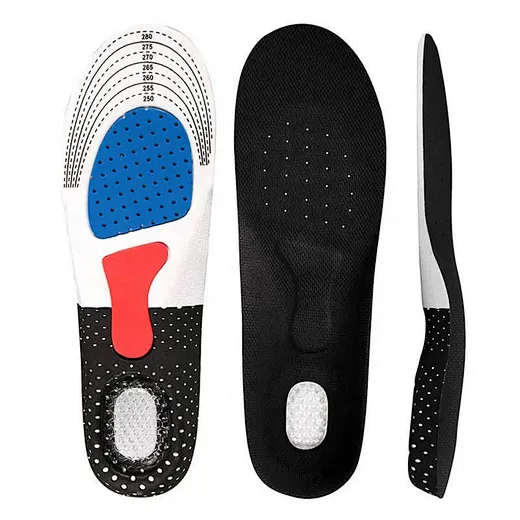
Quality orthotics feature deep heel cups with viscoelastic materials like gel or memory foam. This design cushions the heel, absorbs impact forces during walking or running, and minimizes micro-trauma to the plantar fascia.
Biomechanical Correction and Alignment
For individuals with overpronation or supination, orthotics with medial (inner) or lateral (outer) posting help stabilize the foot. This realigns the ankle, leg, and hip joints, promoting a more natural gait and reducing abnormal pulling on the fascia.
Continuous Wear and Pain Prevention
Wearing orthotic insoles throughout the day provides consistent support, preventing the fascia from tightening during rest periods. This is crucial for reducing morning pain and stiffness.
Orthotic insoles play a significant role in managing and alleviating plantar fasciitis, a common yet often painful condition involving inflammation of the plantar fascia—the thick band of tissue that runs across the bottom of the foot. By providing structured arch support, these specialized inserts help redistribute pressure away from the strained fascia, reducing tension and micro-tears during daily activities. They also promote proper foot alignment, which can prevent overpronation (excessive inward rolling of the foot)—a frequent contributor to plantar fasciitis. With improved biomechanics, stress on the heel and arch is minimized, offering relief from morning heel pain and discomfort after prolonged standing or walking. Furthermore, orthotics can enhance shock absorption, cushioning each step and creating a more supportive environment for healing. For anyone struggling with persistent foot pain, integrating quality orthotic insoles into footwear can be a simple, non-invasive step toward lasting comfort and better foot health.
Evidence of Effectiveness: What Research Shows
Numerous clinical studies and systematic reviews have investigated the efficacy of orthotic insoles for plantar fasciitis. A meta-analysis published in the Journal of Foot and Ankle Research concluded that orthotics significantly reduce pain and improve function compared to control treatments. Another study in the British Journal of Sports Medicine found that customized orthotics were particularly effective for individuals with abnormal foot postures.
The American College of Foot and Ankle Surgeons recommends orthotic devices as a first-line conservative treatment for plantar fasciitis, especially when combined with stretching exercises, proper footwear, and weight management.
Limitations and Considerations
While orthotics are highly effective, they are not a standalone cure. Their success depends on proper diagnosis, correct fit, and integration into a comprehensive treatment plan. Some individuals may experience an adjustment period of one to two weeks as their feet adapt to the new support.
Types of Orthotic Insoles: From Over-the-Counter to Custom
Orthotic insoles are available in a range of designs and price points. Understanding the differences can help you make an informed choice.
Prefabricated (Over-the-Counter) Orthotics
These are mass-produced insoles designed to address common foot conditions. They are typically made from materials like EVA foam, gel, or plastic and offer good arch support and cushioning. Prefabricated orthotics are affordable, readily available, and suitable for mild to moderate plantar fasciitis. However, they may not provide a perfect fit for everyone.
Heat-Moldable Orthotics
A middle ground between prefabricated and custom options, these insoles can be softened with heat (using a home oven or hair dryer) and molded to the contours of your foot. They offer a more personalized fit without the high cost of fully custom orthotics.
Custom-Made Orthotics
Prescribed by podiatrists or orthotists, custom orthotics are crafted from precise 3D scans or casts of your feet. They are tailored to your specific arch height, weight distribution, and gait pattern. While more expensive, they provide optimal correction for severe plantar fasciitis, complex biomechanical issues, or when over-the-counter options have failed.
Choosing the Right Orthotic Insole: A Step-by-Step Guide
Selecting the ideal orthotic insole involves considering several factors to ensure maximum benefit.
Step 1: Identify Your Foot Type and Gait
Determine whether you have flat feet, high arches, or neutral arches. A simple wet foot test or consultation with a specialist can help. Understanding your pronation pattern is also crucial.
Step 2: Consider Your Activity Level and Footwear
Choose insoles designed for your primary activities—whether for athletic shoes, work boots, or everyday casuals. Ensure the insole is thin enough to fit comfortably in your shoes without crowding.
Step 3: Evaluate Key Features
Look for insoles with firm arch support, a contoured heel cup, and durable, breathable materials. For plantar fasciitis, a slight heel lift (around 2-5 mm) can further reduce tension on the fascia.
Step 4: Trial and Adjustment
Start by wearing the orthotics for a few hours daily, gradually increasing usage. If pain persists or worsens after two weeks, consult a professional for adjustments or a different design.
Expert View: Insights from Medical Professionals
"Orthotic insoles are a cornerstone in the conservative management of plantar fasciitis. They work by addressing the underlying biomechanical faults that contribute to excessive strain on the plantar fascia. For many patients, a well-designed over-the-counter insole with proper arch support and heel cushioning can provide significant relief. However, individuals with severe deformities or persistent symptoms should consider custom orthotics for a precise fit. It's important to remember that orthotics are most effective when combined with a holistic approach, including calf stretches, strengthening exercises, and appropriate footwear."
— Dr. Rebecca Morgan, DPM, Board-Certified Podiatrist and Fellow of the American College of Foot and Ankle Surgeons
Dr. Morgan's perspective underscores the importance of a multifaceted treatment strategy. She also notes that patient education on proper insole use and maintenance is key to long-term success.
Frequently Asked Questions (FAQs)
1. How long does it take for orthotic insoles to relieve plantar fasciitis pain?
Most users notice improvement within two to four weeks of consistent use. Full benefits may take up to three months as the plantar fascia heals and adapts to the corrected alignment.
2. Can I wear orthotic insoles in all my shoes?
Yes, provided the shoes have removable insoles and adequate depth. For best results, wear orthotics in shoes you use for prolonged standing or walking. Some companies offer slim-line versions for dress shoes.
3. Are custom orthotics worth the higher cost?
For complex cases or when over-the-counter options fail, custom orthotics are often worth the investment. They provide tailored support that can prevent recurring injuries and offer greater comfort over time.
4. Do orthotic insoles have any side effects?
Initially, some people may experience temporary discomfort or muscle soreness as their body adjusts. If pain persists, consult a specialist to ensure proper fit. Ill-fitting orthotics can exacerbate problems.
5. How do I clean and maintain my orthotic insoles?
Most orthotics can be wiped with a damp cloth and mild soap. Allow them to air dry completely before reinserting. Avoid direct heat, which can warp the materials. Replace insoles every 12-18 months or when they show signs of wear.
Conclusion: A Step Toward Pain-Free Living
Orthotic insoles represent a scientifically backed, non-invasive intervention that can significantly alleviate the pain and dysfunction associated with plantar fasciitis. By providing targeted arch support, cushioning, and biomechanical correction, they address the root causes of the condition. Whether you opt for an over-the-counter solution or invest in custom-made devices, the key is consistency and integration into a broader treatment plan.
If you suffer from plantar fasciitis, consulting a healthcare professional is the first step toward recovery. With the right orthotic insoles and complementary therapies, you can regain your mobility and step forward into a more comfortable, active life.


What Are the Key Features of Good Orthotic Insoles? A Complete Guide to Superior Foot Support
Flat Feet Arch Support: How to Choose Corrective Shoe Inserts