Daily Use of Orthotic Insoles: Is It Safe and Recommended? A Comprehensive Guide to the Benefits, Safety, and Best Practices of Regular Orthotic Insole Use
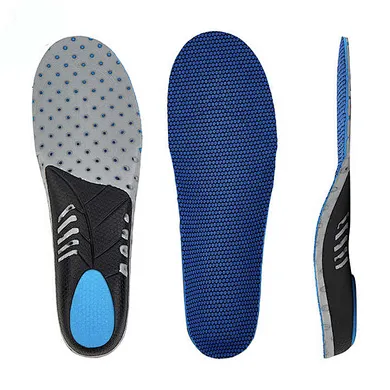
Discover how supportive insoles for back pain work by improving foot alignment and posture. Proper arch support can reduce spinal stress, alleviate lower back discomfort, and enhance overall body mechanics for standing or walking.
Daily Use of Orthotic Insoles: Is It Safe and Recommended?
A Comprehensive Guide to the Benefits, Safety, and Best Practices of Regular Orthotic Insole Use
Table of Contents
What Are Orthotic Insoles?
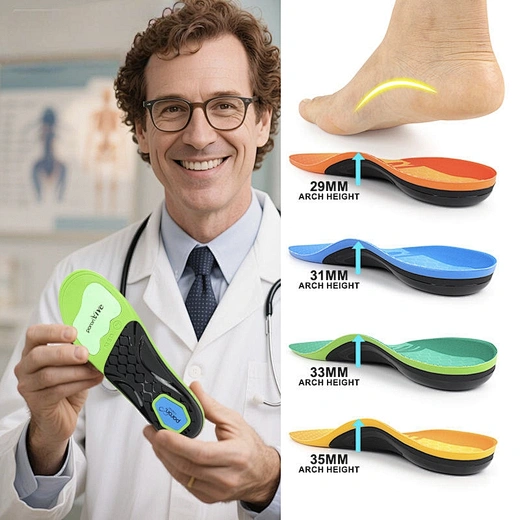
Orthotic insoles (also called orthoses) are medical devices inserted into shoes to correct biomechanical foot issues, improve alignment, and provide support. Unlike standard shoe insoles, orthotics are designed to address specific conditions and are often prescribed by healthcare professionals.
Types of Orthotic Insoles
- Custom orthotics: Made from precise molds of your feet for individualized correction
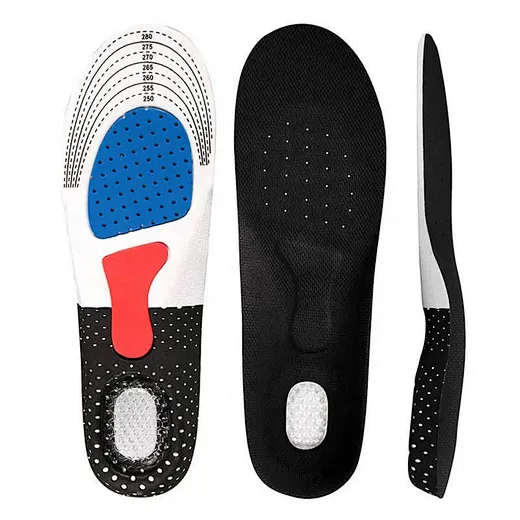
- Over-the-counter orthotics: Prefabricated devices for common foot conditions
- Functional orthotics: Designed to control abnormal motion and improve foot function
- Accommodative orthotics: Provide cushioning and support for painful areas
While regular insoles primarily offer cushioning, orthotic insoles are therapeutic devices designed to correct alignment and improve biomechanical function.
Safety of Daily Orthotic Use
For most people with foot conditions, daily use of orthotic insoles is safe and beneficial. However, safety depends on several factors:
When Daily Use is Recommended
- For chronic conditions like plantar fasciitis, flat feet, or overpronation
- When prescribed by a podiatrist or orthopedic specialist
- During recovery from foot surgery or injury (as directed)
- For individuals who stand or walk extensively daily
Important Safety Considerations
Gradual Break-in Period
Begin with 1-2 hours of daily use, gradually increasing wear time over 2-3 weeks. This allows your feet and body to adjust to the new alignment.
Potential Side Effects (If Not Used Properly)
- Initial discomfort or muscle soreness during adjustment period
- Skin irritation if materials cause excessive friction
- Temporary arch or calf pain as muscles adapt to corrected positioning
- Worsening of symptoms if orthotics are improperly fitted or designed
Important: If you experience persistent pain or worsening symptoms, consult your healthcare provider immediately.
Benefits of Daily Orthotic Use
When used correctly, daily orthotic use offers numerous advantages for foot health and overall wellbeing:
Pain Reduction
Alleviates discomfort from conditions like plantar fasciitis, metatarsalgia, and arthritis by redistributing pressure.
Improved Posture
Corrects foot alignment, which positively affects knees, hips, and spinal positioning.
Injury Prevention
Reduces risk of stress fractures, shin splints, and other overuse injuries by improving biomechanics.
Enhanced Mobility
Allows for more comfortable walking, standing, and exercising with reduced fatigue.
Long-Term Advantages
- Slows progression of structural foot deformities like bunions
- Prevents compensatory injuries in knees, hips, and back
- May reduce need for more invasive interventions like surgery
- Improves quality of life for individuals with chronic foot conditions
Professional Recommendations for Daily Use
Who Should Use Orthotics Daily?
- Individuals with diagnosed biomechanical foot disorders
- People experiencing chronic foot, knee, or back pain related to foot function
- Athletes with repetitive stress injuries
- Those with diabetic foot conditions (using specialized orthotics)
- Workers who stand for prolonged periods
Orthotic insoles are not only suitable for individuals with common foot conditions such as flat feet, high arches, or plantar fasciitis—providing essential support and pain relief—but when made with high-quality materials, they can also be adapted for diabetic foot care, helping to reduce plantar pressure and prevent injury under professional guidance. Furthermore, orthotics equipped with cushioning and shock-absorption features can improve body alignment, enhance stability and performance during sports, and increase comfort in daily walking by reducing fatigue. From rehabilitation to daily life and athletic activities, they offer comprehensive foot health support.


Best Practices for Daily Orthotic Use
- Start gradually: Begin with short periods and increase daily
- Wear appropriate footwear: Ensure shoes have adequate room and support
- Maintain proper hygiene: Clean orthotics regularly according to manufacturer instructions
- Monitor for wear: Replace orthotics when they show significant deterioration
- Schedule follow-ups: Visit your specialist periodically for adjustments
Most orthotics should be replaced every 12-18 months with regular use, as materials compress and lose effectiveness over time.
Expert Insights on Orthotic Use
"Daily orthotic use is not only safe but often essential for patients with biomechanical issues. The key is proper fitting and gradual adaptation. I recommend custom orthotics for complex cases, as they provide precise correction tailored to individual foot structure and gait patterns."
Dr. Robert Chen, DPM
Board-Certified Podiatrist & Biomechanics Specialist
Additional Expert Recommendations
From Physical Therapists
Many physical therapists recommend combining orthotic use with targeted strengthening exercises for optimal results. This approach addresses both structural support and muscular function.
From Sports Medicine Specialists
Athletes are often advised to use sport-specific orthotics that accommodate the unique demands of their activity while still allowing natural foot mechanics during performance.
FAQs About Daily Orthotic Use
Can I wear orthotics all day, every day?
Most people can safely wear orthotics daily, but it's important to follow a break-in schedule. Start with a few hours daily and gradually increase. Once adapted, many wear them all day without issues.
Will my feet become "dependent" on orthotics?
This is a common misconception. Orthotics don't weaken feet when used appropriately. They provide support while allowing natural foot function. In some cases, they may actually improve foot strength by enabling proper alignment during activity.
Can I use the same orthotics in different shoes?
Yes, but they work best in shoes with similar heel heights and support levels. Some people have multiple pairs of orthotics for different shoe types (dress shoes, athletic shoes, etc.).
How do I know if my orthotics need adjustment?
Signs include: new or increasing pain, visible wear or deformation, changes in your foot condition, or if you've experienced significant weight change. Schedule a follow-up with your provider if you notice these signs.
Are over-the-counter orthotics effective for daily use?
OTC orthotics can be effective for mild to moderate conditions and are suitable for daily use. However, for complex issues, custom orthotics prescribed by a professional typically provide better results and are safer for long-term daily use.
Conclusion
For individuals with biomechanical foot issues, daily use of orthotic insoles is generally safe and highly recommended when properly fitted and introduced gradually. Orthotics offer significant benefits including pain relief, improved alignment, injury prevention, and enhanced mobility.
The key to safe daily use lies in:
- Proper diagnosis of your specific foot condition
- Correct fitting by a qualified professional
- Gradual adaptation to allow your body to adjust
- Regular monitoring for effectiveness and wear
Always consult with a foot specialist to determine if daily orthotic use is appropriate for your specific needs and to ensure you receive the right type of orthotic for your condition.


Plantar Fasciitis Insoles: How to Choose the Right Support for Pain Relief?A Comprehensive Guide to Finding the Perfect Insoles for Plantar Fasciitis Recovery
What Foot Problems Can Orthotic Insoles Correct? A Comprehensive Guide to Common Foot Conditions That Can Be Improved with Orthotic Support