How to Know What Insoles You Need: A Step-by-Step Guide

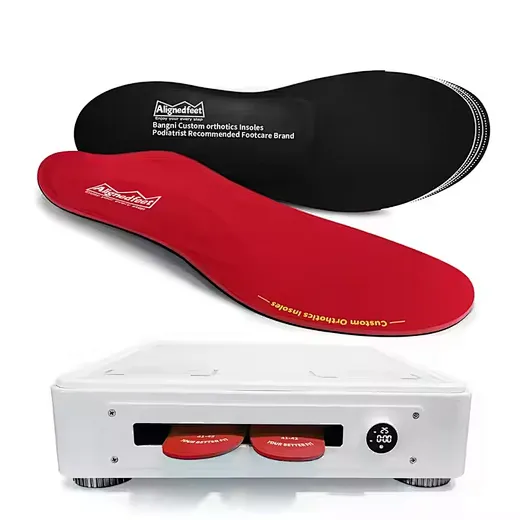
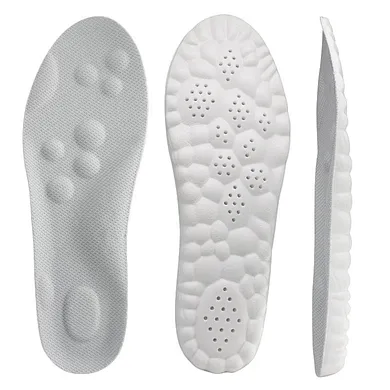
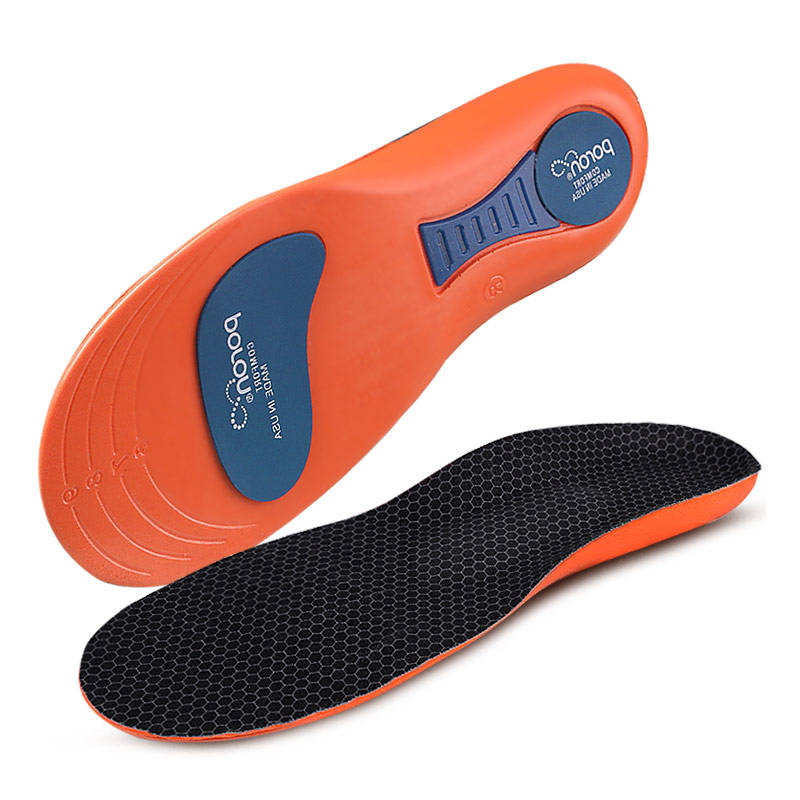
How to Know What Insoles You Need – A Complete Guide to Insole Types.Choosing the right insoles depends on your specific needs: arch support insoles correct flat feet or high arches, gel cushion insoles absorb shock for active lifestyles, orthotic insoles provide medical-grade correction, while memory foam insoles offer all-day comfort. Consider your foot type, activity level, and any pain points to select the perfect support.
How to Know What Insoles You Need: A Step-by-Step Guide
Table of Contents
- Step 1: Assess Your Foot Type
- Step 2: Identify Pain Patterns
- Step 3: Analyze Activity Needs
- Expert Recommendations
- FAQ
Step 1: Assess Your Foot Type
The Wet Test Method
- Wet your feet and stand on cardboard
- Check imprint:
- Flat arches (Pes Planus): Full footprint
- Neutral arches: Half-filled arch curve
- High arches (Pes Cavus): Thin outer line


Foot Type vs Insole Needs
| Foot Type | Required Support |
|---|---|
| Flat Feet | Motion Control with medial post |
| High Arches | Cushioned with metatarsal pad |
Step 2: Identify Pain Patterns
Symptom-Based Selection
- Heel Pain: Look for deep heel cups + shock absorption
- Ball-of-Foot Pain: Insoles with metatarsal domes
- Arch Fatigue: Semi-rigid polypropylene supports
Step 3: Analyze Activity Needs
Activity-Specific Insoles
- Running: Energy-return foams (TPU/EVA blends)
- Standing Jobs: Memory foam with 3/4 length
- Dress Shoes: Ultra-thin (<3mm) carbon fiber
Duration vs Cushioning
- < 2 hours/day: Low-profile supports
- 2-8 hours: Dual-density layers
- >8 hours: Custom orthotics

Expert Recommendations
"80% of patients choose the wrong insoles. Always match the arch height first, then address specific pain points. When in doubt, get a professional gait analysis."
- Dr. Sarah Lin, DPM, American Podiatric Medical Association
3 Golden Rules
- Test insoles in the afternoon (feet swell 4-8%)
- Allow 2-week adaptation period
- Check shoe volume clearance (≥5mm space)
Frequently Asked Questions
1. How much should good insoles cost?
Answer: $30-$150. Avoid $10 generics lacking medical-grade support.
2. Can insoles fix bunions?
Answer: They can slow progression but not reverse existing deformities.
3. How often replace insoles?
Answer: Every 6-12 months or 500 miles of use.
4. Are online foot scanners accurate?
Answer: Top brands achieve 92% correlation with clinical assessments.
5. Can I use running insoles for walking?
Answer: Yes, but walking-specific models offer better heel-to-toe transition.
Conclusion: Your Perfect Fit Awaits
Choosing insoles isn't guesswork - it's applied biomechanics. By systematically assessing your foot type, pain patterns, and activities, you can select supports that truly enhance comfort and prevent injuries. When in doubt, consult a podiatrist for personalized solutions.


How to Correct Flat Feet: Effective Strategies for Arch Support and Pain Relief
How to Get Rid of Corns on Feet: Effective Solutions and Foot Care Products