Why Every Runner Should Invest in Quality Shoe Insoles – And How to Choose

Discover how the right insole for running enhances performance. Proper arch support and shock absorption can improve stride efficiency, reduce impact on joints, and help prevent common overuse injuries for more comfortable and sustained training.
Why Every Runner Should Invest in Quality Shoe Insoles – And How to Choose
Running is more than just a sport or a fitness routine; for many, it's a way of life. However, the repetitive impact of running can take a toll on your feet, joints, and overall body. While most runners invest in good shoes, many overlook a critical component that can dramatically enhance comfort, performance, and injury prevention: quality shoe insoles. This comprehensive guide explores why insoles are essential for runners and provides a detailed roadmap for selecting the perfect pair.
Table of Contents
- The Unseen Engine: What Running Insoles Actually Do
- Beyond the Shoe: The Multifaceted Benefits of Quality Insoles
- The Anatomy of a Great Running Insole: Key Features to Look For
- A Step-by-Step Guide to Choosing Your Perfect Insole
- Expert Insights: What Podiatrists and Coaches Say
- Frequently Asked Questions (FAQs)
- Conclusion: Your Next Step Towards Better Running
The Unseen Engine: What Running Insoles Actually Do
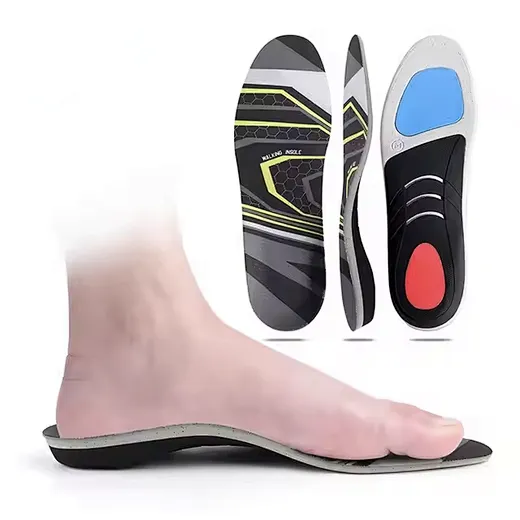
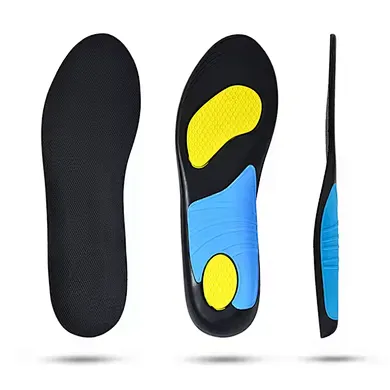
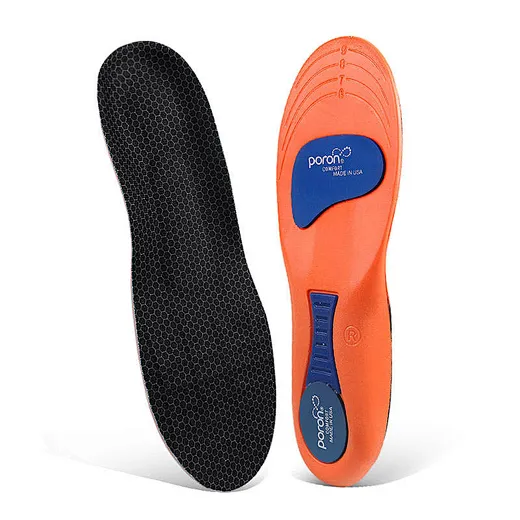
Running insoles, also known as footbeds or inserts, are not merely extra padding. They are engineered components designed to interface between your foot and your shoe. Their primary function is to modify the shoe's interior environment to better match your foot's biomechanics. Unlike the generic, flat insoles that come standard with most running shoes, premium insoles offer targeted support and sophisticated material technology.
Core Functions of Performance Insoles:
1. Dynamic Shock Absorption
With each running stride, your feet endure forces equivalent to 2-3 times your body weight. Quality insoles use advanced materials like viscoelastic polymers, specialized foams, and gel matrices to dissipate this impact energy before it travels up your kinetic chain to your ankles, knees, and hips.
2. Precision Arch Support
They provide contoured, often multi-zonal, arch support that helps maintain the foot's natural alignment. This prevents overpronation (excessive inward rolling) or supination (outward rolling), promoting a more efficient and stable gait cycle from heel strike to toe-off.
3. Enhanced Stability and Motion Control
By cradling the heel and supporting the arch, insoles reduce unwanted foot movement within the shoe. This secure fit minimizes friction (preventing blisters) and ensures that the energy from your muscles is translated into forward motion rather than wasted on lateral instability.
4. Improved Pressure Distribution
They redistribute pressure away from high-stress areas like the heel and ball of the foot (metatarsals), alleviating hot spots and reducing the risk of stress-related injuries.
Beyond the Shoe: The Multifaceted Benefits of Quality Insoles
Investing in high-quality insoles is an investment in your running longevity and overall well-being. The benefits extend far beyond simple comfort.
Injury Prevention and Management
Studies and clinical observations consistently show that appropriate insoles can play a significant role in preventing common running ailments. They are often recommended for managing conditions like plantar fasciitis, Achilles tendonitis, shin splints, and runner's knee by addressing biomechanical imbalances at their source.
Performance Enhancement
When your feet are properly supported and comfortable, your muscles can work more efficiently. Reduced fatigue and improved alignment can lead to better running economy, allowing you to run longer or faster with the same perceived effort. The psychological boost of pain-free running should not be underestimated.
Extended Shoe Lifespan
Over time, your body's mechanics break down the midsole cushioning of your running shoes in a pattern unique to your gait. Insoles can help delay this process by providing a consistent, supportive platform, effectively making your expensive running shoes last longer before they lose their protective qualities.
Customized Fit for Unique Feet
No two feet are identical. Insoles allow you to customize the fit of a standard shoe model to your specific foot shape, arch height, and pressure points, creating a "semi-custom" footwear experience without the bespoke price tag.
For any dedicated runner, every step counts – and so does every layer between your foot and the road. While investing in quality running shoes is a given, the critical role of a performance-oriented insole is often overlooked. Think of your shoe as the foundation of a house, and the insole as the personalized, supportive flooring within. The stock insoles that come with most athletic shoes are designed for general comfort, not for the high-impact, repetitive motion of running. This is where specialized sports insoles become essential.
Running places immense stress on your feet, joints, and connective tissues. The right insoles provide targeted arch support, which is crucial for maintaining proper biomechanical alignment from your feet up through your ankles, knees, and hips. They help distribute impact pressure more evenly, reducing fatigue and the risk of common overuse injuries like plantar fasciitis, shin splints, and knee pain. Furthermore, they enhance stability and motion control, preventing excessive inward rolling (overpronation) or outward rolling (supination), which can throw your entire gait off balance.
For the running enthusiast, this isn't just about added comfort—it's about optimizing performance and longevity in the sport. A well-cushioned and supportive insole can improve energy return, making each stride more efficient. It also helps manage moisture and temperature within the shoe, keeping your feet drier and cooler over long distances. Ultimately, upgrading your insoles is a simple yet profoundly effective way to customize your footwear, protect your body from the ground up, and ensure that your passion for running remains strong, mile after mile.


The Anatomy of a Great Running Insole: Key Features to Look For
Not all insoles are created equal. Understanding the components will empower you to make an informed choice.
Material Composition
Top Cover:
Look for moisture-wicking, breathable fabrics like antimicrobial polyester or coolmax to keep your feet dry and prevent blister-causing friction.
Core Cushioning Layer:
This is the heart of shock absorption. High-performance foams (EVA, PU), viscoelastic gels, and newer technologies like thermoplastic urethane (TPU) offer durable, responsive cushioning.
Support Layer/Shell:
A semi-rigid or rigid layer, often made from nylon or composite materials, provides the essential arch support and heel cup structure that control motion.
Design and Structural Elements
Heel Cup Depth:
A deep, firm heel cup stabilizes the rearfoot, aligning the ankle and reducing calcaneal (heel bone) deviation.
Arch Profile and Length:
The arch support should match your arch height (low, medium, high) and extend far enough forward to support the entire medial longitudinal arch.
Metatarsal Pad:
A subtle dome or pad just behind the ball of the foot can help splay the metatarsals and relieve forefoot pressure.
Flex Zones:
Strategic cut-outs or thinner materials at the forefoot allow for natural toe flexion during push-off.
A Step-by-Step Guide to Choosing Your Perfect Insole
Step 1: Conduct a Self-Assessment
Analyze your needs. Are you seeking injury prevention, pain relief (where exactly?), or performance gains? Perform a simple "wet test" to determine your arch type: wet your foot, step on a paper bag, and compare the imprint to standard arch type diagrams (low, neutral, high).
Step 2: Match Insole Type to Your Foot and Gait
For Flat Feet or Overpronators:
Seek out insoles labeled as "stability" or "motion control." These feature firm arch support and a deep heel cup to limit excessive inward rolling. Materials should be durable to resist rapid compression.
For High Arches or Supinators:
Prioritize "cushioning" or "neutral" insoles with ample shock-absorbing material throughout, particularly in the heel and forefoot. The arch support should be present but may be slightly softer to accommodate the high arch without creating pressure points.
For Neutral Arches:
You have the widest range. Focus on balanced "support" insoles that offer moderate arch reinforcement and plush cushioning for comfort over long distances.
Step 3: Consider Your Running Environment and Volume
A trail runner navigating rocky terrain needs a more robust, potentially thicker insole with excellent stability, while a road marathoner might prioritize lightweight, breathable cushioning. High-mileage runners (>30 miles/week) should invest in the most durable, high-end materials available.
Step 4: Try, Test, and Transition
Always try insoles in your running shoes before committing. Ensure they don't make the shoe too tight (you may need to remove the factory insole and/or go up half a size). Start by wearing them for short walks, then easy runs, gradually increasing use over 1-2 weeks to allow your body to adapt.
Expert Insights: What Podiatrists and Coaches Say
"The single biggest mistake runners make is assuming their expensive shoes are a complete system. The stock insole is often a cost-saving afterthought. A quality aftermarket insole transforms the shoe into a true biomechanical tool. For my patients, even those without acute pain, I recommend insoles as a proactive measure—like changing your car's oil before the engine seizes. The goal is to optimize alignment from the ground up, which can prevent a cascade of issues in the ankles, knees, and lower back."
– Dr. Angela Reed, DPM, Sports Podiatrist and Marathoner
"From a coaching perspective, I view insoles as part of the athlete's essential gear, alongside shoes and apparel. When an athlete complains of recurring niggles or fading energy late in runs, improper foot mechanics are often a contributing factor. A supportive insole can enhance running economy by improving force transfer. It's not a magic bullet, but it's a critical piece of the injury-prevention puzzle that too many athletes ignore."
– Marcus Chen, Level 3 USATF Certified Coach
Frequently Asked Questions (FAQs)
Can I just use the insoles that came with my running shoes?
While better than nothing, factory stock insoles are typically made from basic foam with minimal structural support. They are designed to fit an "average" foot in a generic way and break down quickly. For consistent running, they are the weakest link in your footwear.
How long do quality running insoles typically last?
Durability varies by material and mileage. A good rule of thumb is to replace them every 300-500 miles, or approximately every 6-12 months for regular runners. Signs of wear include flattened cushioning, visible creasing in the support layer, and loss of shape in the heel cup.
Are custom orthotics necessary, or will over-the-counter insoles suffice?
For the vast majority of runners, high-quality over-the-counter insoles from reputable brands are perfectly adequate. Custom orthotics, prescribed by a podiatrist, are typically reserved for individuals with significant structural abnormalities, severe biomechanical issues, or specific diagnosed conditions that require precise medical intervention.
Will thick, cushioned insoles make my shoes too tight?
They can. It is crucial to check the fit. Often, you must remove the original insole first. If the shoe feels snug width-wise or your toes are cramped vertically, you may need a shoe with a roomier toe box or consider going up half a size when purchasing your next pair of shoes.
Can insoles help with running-related back pain?
Potentially, yes. Poor foot mechanics can create a chain reaction of misalignment affecting the knees, hips, and pelvis, ultimately stressing the lower back. By stabilizing the foundation, insoles can help restore proper alignment, which may alleviate some types of referred back pain.
Conclusion: Your Next Step Towards Better Running
The journey to becoming a stronger, healthier, and more resilient runner is built on a foundation of smart choices. Your footwear is your primary interface with the ground, and the insole is the critical mediator between your unique physiology and that shoe. Viewing insoles as an optional accessory is an outdated mindset; for the modern runner, they are a essential piece of performance and wellness gear.
Investing in quality shoe insoles is a proactive declaration of intent. It signifies a commitment to longevity over short-term comfort, to prevention over rehabilitation, and to optimizing every variable within your control. The initial investment is quickly offset by the potential savings in avoided medical bills, extended shoe life, and the priceless value of pain-free miles.
Take the insights from this guide, assess your personal needs, and take the step to try a pair of high-performance insoles. Your feet—and your future running self—will thank you for every supportive, well-cushioned stride.


Stop Foot Pain: Choosing Basketball Inserts for Support and Cushioning
The Advantages of PU Insoles: Why They're a Top Choice for Comfort