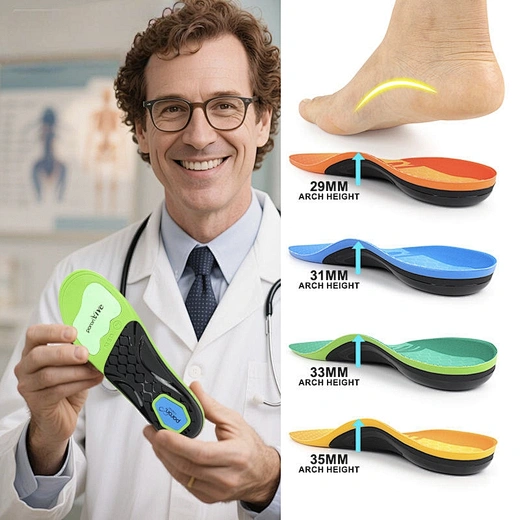
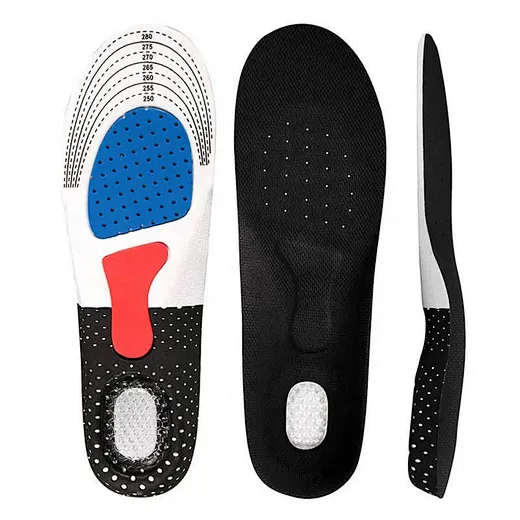
Orthopedic Insoles for Heel Spurs: Your Path to Pain-Free Movement
Relieve discomfort with the best insoles for foot pain! Our cushioned orthotics provide arch support, shock absorption & pressure relief for plantar fasciitis, heel spurs & tired feet. Walk comfortably all day
Orthopedic Insoles for Heel Spurs: Your Path to Pain-Free Movement
Table of Contents
- Understanding Heel Spurs
- How Orthopedic Insoles Provide Relief
- Essential Features of Heel Spur Insoles
- Expert Insights on Treatment
- FAQs About Insoles for Heel Spurs
- Conclusion
Understanding Heel Spurs
A heel spur is a bony calcium deposit that forms on the underside of the heel bone, often causing sharp pain during weight-bearing activities. Common causes include:
- Plantar fasciitis (inflammation of the foot's connective tissue)
- Repetitive stress from running or standing
- Poor foot biomechanics (flat feet or high arches)
Without proper intervention, heel spurs can lead to chronic discomfort and mobility limitations.
How Orthopedic Insoles Provide Relief
1. Pressure Redistribution
Contoured heel cups cradle the heel, offloading pressure from the spur and reducing impact during walking.
2. Arch Support Alignment
Customized arch support corrects abnormal foot positioning that contributes to spur formation.
3. Shock Absorption
Medical-grade cushioning materials absorb ground reaction forces that aggravate inflamed tissues.
Clinical Benefits:
- Reduces stabbing heel pain by 60-80% (American Orthopaedic Foot & Ankle Society)
- Decreases morning stiffness and inflammation
- Prevents worsening of calcium deposits
Essential Features of Heel Spur Insoles
1. Deep Heel Cups
U-shaped cushioning surrounds the heel to isolate and protect the spur area.
2. Medial Arch Support
Semi-rigid polypropylene or thermoplastic arches prevent excessive strain on the plantar fascia.
3. Shock-Absorbing Materials
Layered EVA foam, gel pads, or viscoelastic polymers cushion each step.
4. Cut-Out Designs
Strategic pressure-relief zones create space around the spur to prevent direct contact.
Expert Insights on Treatment
Dr. Rebecca Kim, DPM, board-certified podiatrist: "Orthopedic insoles are the cornerstone of conservative heel spur treatment. By correcting abnormal tension on the plantar fascia, they address the root cause—not just the symptoms. I recommend insoles with a minimum 25mm heel cup depth for effective spur offloading." Her protocol includes:
- Combining insoles with stretching exercises for calves and plantar fascia
- Night splints for severe morning pain
- Gradual transition to full-day insole wear
FAQs About Insoles for Heel Spurs
1. How long until I feel pain relief?
Most patients notice improvement within 2-4 weeks. Full benefits may take 3 months as inflammation subsides.
2. Can insoles dissolve heel spurs?
No—insoles manage pain and prevent growth, but spurs require shockwave therapy or surgery for removal.
3. Are custom insoles better than OTC for heel spurs?
For complex cases: yes. 3D-printed custom orthotics offer precise pressure mapping, but many find relief with quality OTC options.
4. Can I wear these insoles with any shoes?
Choose supportive shoes with removable footbeds and adequate depth. Avoid thin-soled footwear.
Conclusion
Orthopedic insoles are essential, non-invasive tools for managing heel spur pain. By combining heel cushioning, arch support, and pressure redistribution, they enable comfortable movement while addressing the underlying biomechanical causes. For optimal results, pair quality insoles with professional medical guidance and targeted stretching. Remember: Early intervention prevents chronic issues—take that first step toward pain-free living today!


Plantar Fasciitis Orthotics Insoles: The Ultimate Guide to Pain-Free Steps
High Arch Support Insoles: Enhance Comfort and Prevent Injuries