The Daily Commute Upgrade: How Insoles Transform Your Everyday Walks
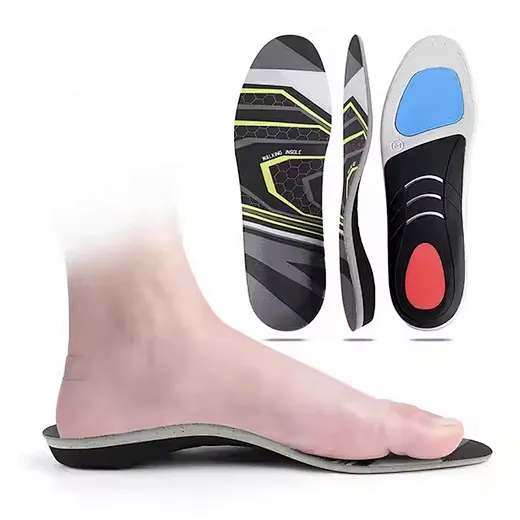
Achieve superior insole comfort with our ergonomically designed inserts. Experience all-day support through cushioned arch support that reduces fatigue and pressure points. Perfect for extended wear at work, during travel, or in active lifestyles.
The Daily Commute Upgrade: How Insoles Transform Your Everyday Walks
Table of Contents
- Introduction: The Unseen Stress of Commuting
- What Are Insoles and How Do They Work?
- Specific Benefits for Commuters
- Choosing the Right Insoles for Your Commute
- Proper Usage and Maintenance
- Expert Insights on Foot Health and Commuting
- Frequently Asked Questions (FAQ)
- Conclusion: Step Into a Better Commute
Introduction: The Unseen Stress of Commuting
The daily commute represents far more than simple transportation—it's a significant physical activity that places continuous stress on your feet, joints, and posture. Whether you're walking to the train, standing on a crowded bus, or navigating from a parking garage to the office, these repetitive motions can lead to fatigue, discomfort, and long-term foot problems. Many people accept this discomfort as inevitable, unaware that a simple solution exists right beneath their feet. High-quality insoles offer a transformative upgrade to your daily walks, turning a taxing journey into a comfortable, supportive experience. This blog explores how strategically chosen insoles can revolutionize your commute, enhancing comfort, improving foot health, and boosting your overall daily performance.
What Are Insoles and How Do They Work?
Insoles, also known as footbeds or shoe inserts, are removable linings placed inside footwear. Unlike the thin, basic padding that comes with most shoes, performance-oriented insoles are engineered with specific materials and structures to provide active support.
Core Functions of Insoles:
At their essence, insoles perform three critical functions: shock absorption, arch support, and weight redistribution. They act as an interface between your foot and the shoe, cushioning impact forces from hard pavement and correcting biomechanical imbalances that lead to pain.
Biomechanical Alignment
Properly designed insoles provide targeted arch support that maintains the foot's natural alignment. This prevents overpronation (excessive inward rolling) or supination (outward rolling), ensuring a stable, efficient gait with every step you take during your commute.
Material Science
Modern insoles utilize advanced materials like memory foam, gel polymers, and resilient EVA. These materials offer a combination of cushioning that molds to your foot's unique contours and durable support that lasts throughout the day.
Specific Benefits for Commuters
For the daily commuter, insoles deliver targeted advantages that address common urban walking challenges.
Reduced Impact and Joint Fatigue
Hard concrete and asphalt surfaces generate significant impact forces with each step. Commute insoles with advanced shock absorption dissipate this energy, protecting not just your feet but also your ankles, knees, and hips from repetitive stress.
Enhanced Stability on Uneven Surfaces
From cobblestones to subway gratings, urban terrain is unpredictable. Insoles with a deep heel cup and secure cradle stabilize the foot within the shoe, improving balance and reducing the risk of slips or twists.
Combating Prolonged Standing Discomfort
For those who stand during transit, insoles are essential. They promote optimal blood circulation by evenly distributing pressure, preventing the heavy, aching sensation that comes from static standing on hard surfaces.
Temperature and Moisture Management
Many premium insoles feature moisture-wicking top covers and breathable materials. This keeps feet cooler and drier during a long commute, preventing blisters and odor—a common issue when wearing shoes for extended periods.
Looking for ways to make your daily commute more comfortable? The right shoe inserts can make a world of difference. Here are three excellent options to consider, each designed with specific features to enhance your comfort on the go.
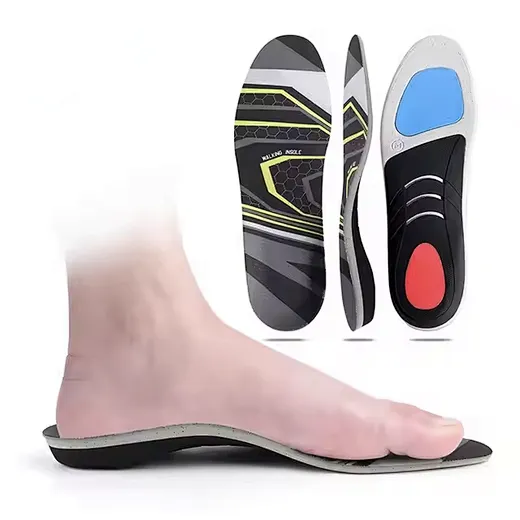
The first insert is crafted from premium PU material, offering exceptional softness and shock absorption with every step. It’s specially designed to be breathable and moisture-wicking, helping to keep your feet cool and dry during long rides or walks, making it a simple yet effective upgrade for everyday comfort.
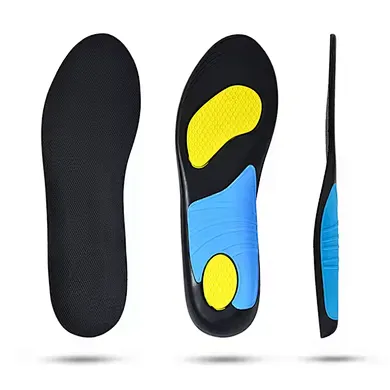
Next, we have a more advanced model that combines PU, TPU, and graphene. This innovative blend provides excellent arch support and stability, promoting proper foot alignment. Thanks to the graphene infusion, it remains refreshingly cool and lightweight, offering a sleek, supportive feel that’s perfect for all-day wear without the bulk.
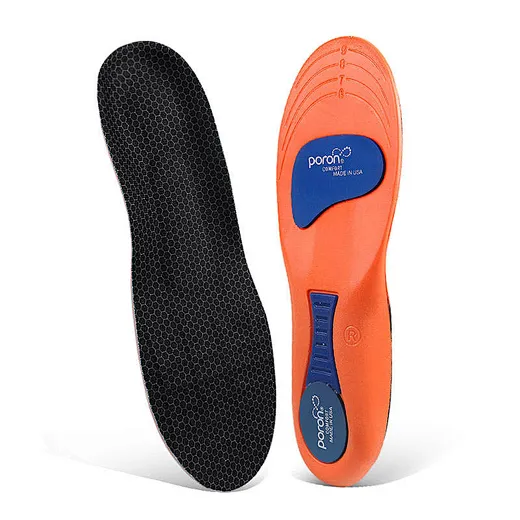
Finally, for those seeking targeted relief, the third option features a PU, Gel, and Poron composite. This combination delivers superior cushioning and comfort, specifically engineered to alleviate and prevent plantar fasciitis discomfort. Whether you’re standing on the train or walking from the station, these inserts help reduce impact and ease strain on your heels and arches.
Choose the one that best fits your needs and step into a more comfortable commute.


Choosing the Right Insoles for Your Commute
Not all insoles are created equal. Selecting the right type is crucial for addressing your specific commute profile.
Cushioning vs. Support: Understanding Your Need
If your primary complaint is pain from hard surfaces (like heel pain), prioritize plush cushioning insoles with gel or foam. If you experience arch fatigue or ankle rolling, opt for firm support insoles with pronounced arch structure and a rigid heel counter.
For Walk-Heavy Commutes:
Choose full-length, durable insoles with a combination of a cushioned forefoot and a supportive arch. Look for materials that retain their properties over many miles.
For Mixed-Mode Commutes (Walk/Stand):
Consider 3/4 length insoles that provide arch and heel support without crowding the toe box of your shoe, offering versatility for different types of footwear you might wear.
Key Selection Criteria:
Arch Type (Neutral, Low, High): Match the insole's arch profile to your foot. Many brands offer models specific to arch height.
Shoe Fit: Ensure the insole is trim-to-fit or appropriately sized so it doesn't cause crowding. A proper insole should make your shoe feel more comfortable, not tighter.
Activity Specificity: Some insoles are designed specifically for walking, making them ideal for commuters.
Proper Usage and Maintenance
To maximize benefits, insoles must be used and cared for correctly.
The Break-In Period
Start by wearing new insoles for 2-3 hours per day, gradually increasing duration over a week. This allows your feet and body to adapt to the improved alignment.
Rotation and Replacement
For commuters who wear the same shoes daily, consider having multiple pairs of insoles to rotate, allowing each pair to fully decompress between uses. Most insoles should be replaced every 6-12 months or when visible wear, loss of cushioning, or breakdown of support structures occurs.
Cleaning Instructions
Remove insoles regularly and clean them with a mild soap and water solution. Allow them to air dry completely before reinserting. Never dry them with direct heat, as this can warp supportive materials.
Expert Insights on Foot Health and Commuting
Dr. Sarah Chen, DPM, a podiatrist specializing in biomechanics, emphasizes: "The cumulative effect of a daily commute on foot health is vastly underestimated. People walk thousands of steps in often unsuitable footwear. Properly fitted insoles are not a luxury; they are a preventive tool. They can mitigate the development of plantar fasciitis, metatarsalgia (ball-of-foot pain), and chronic knee or back pain linked to poor gait. For the urban commuter, they are as essential as the shoe itself. I advise patients to look for insoles that offer progressive arch support—firm yet forgiving—to guide the foot naturally without forcing it into an unnatural position."
Additionally, kinesiologist Mark Johnson notes: "From a movement efficiency standpoint, a supportive insole can reduce the energy cost of walking on hard surfaces. When your foot is stable and properly aligned, your muscles work less to maintain balance and propulsion. This means you arrive at work or home feeling less fatigued, conserving mental and physical energy for the rest of your day."
Frequently Asked Questions (FAQ)
1. Can I use the same insoles in different pairs of shoes?
It is possible, but for optimal results, it's best to have dedicated insoles for each primary pair of commute shoes. This ensures a perfect fit within each shoe's unique volume and wear pattern. Some insoles are thin and versatile enough to transfer, but thick, supportive models may not fit correctly in differently sized shoes.
2. Will insoles make my shoes feel tighter?
They can, especially if your shoes are already snug. This is why it's crucial to check the volume of your shoe before purchasing. Many insole brands offer "thin" or "low-profile" versions designed for tighter-fitting shoes and dress footwear. Always try insoles with the shoes you intend to wear.
3. How long does it take to feel a difference?
Many users feel immediate cushioning comfort. However, the full corrective benefits of structural support may take 1-2 weeks of consistent use as your body adjusts to improved alignment. Be patient during the break-in period.
4. Are expensive insoles always better?
Not necessarily. Price often correlates with material quality, durability, and advanced features (like custom heat-moldable options). However, a moderately priced insole that correctly addresses your specific foot type and need will outperform an expensive one that is mismatched. Focus on the specifications, not just the price tag.
5. Can insoles help with back pain related to commuting?
Yes, they can be remarkably effective. Back pain often stems from poor posture and gait imbalances originating in the feet. By correcting foot alignment and cushioning impact, insoles can help create a healthier kinetic chain, potentially reducing strain on the knees, hips, and lower back.
6. Should I remove the original insole that came with my shoe?
In almost all cases, yes, remove the factory insole before inserting your performance insole. The original insole is typically a thin piece of foam with little support. Wearing two stacked insoles will alter the fit and may negate the benefits of your new insole.
Conclusion: Step Into a Better Commute
The daily commute doesn't have to be a daily grind for your feet. By integrating scientifically designed insoles into your routine, you proactively invest in comfort, health, and vitality. This simple upgrade transforms your walk from a source of fatigue into a foundation of support, protecting your body from the repetitive stresses of urban travel. Whether you seek plush cushioning, firm arch support, or a balanced combination, the right insole can significantly elevate your commuting experience. Don't just walk to your destination—stride comfortably, efficiently, and pain-free. Begin your commute transformation today by assessing your needs and choosing the insoles that will carry you forward, step after supportive step.


Why TPU is the Go-To Material for High-Performance Sports Insoles
Sport-Specific Insoles: Ultimate Guides for Running, Basketball & Soccer