When Are Shock-Absorbing Insoles Needed?
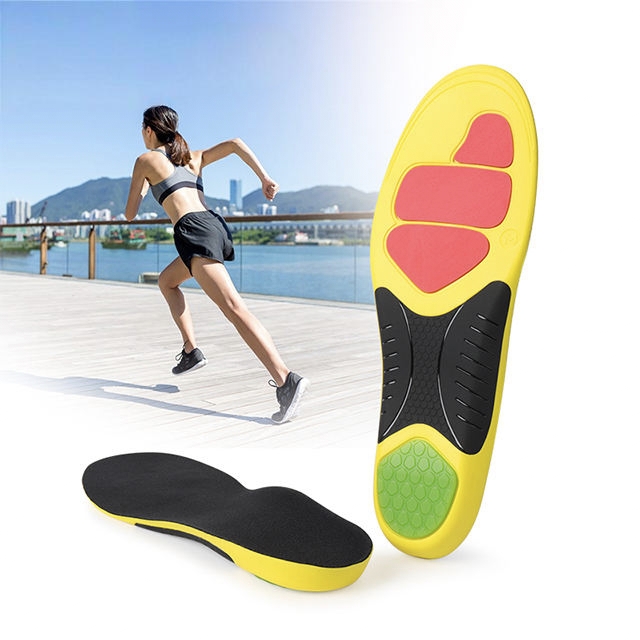
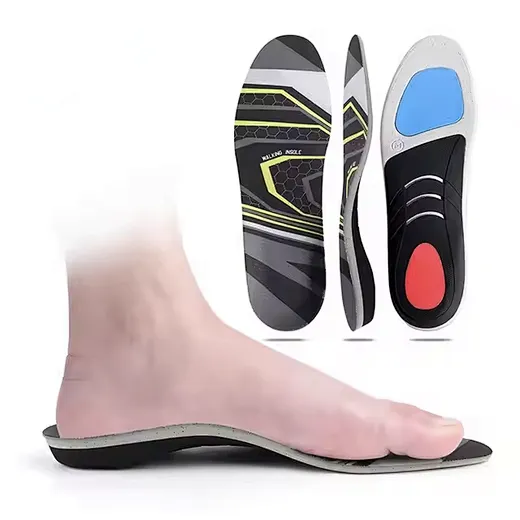
Experience comfort with impact absorbing insoles that reduce joint stress and fatigue. These insoles provide shock absorption for hard surfaces and high-impact activities. Ideal for protecting knees and back during running, sports, or long work shifts.
When Are Shock-Absorbing Insoles Needed?
Discover how these specialized shoe inserts protect your joints, reduce pain, and enhance performance in various activities
Table of Contents
What Are Shock-Absorbing Insoles?
Shock-absorbing insoles are specialized shoe inserts designed to reduce the impact forces that travel through your feet and up your body with each step. Unlike standard insoles that primarily provide arch support, these products focus on cushioning and dissipating impact energy before it can stress your joints and soft tissues.
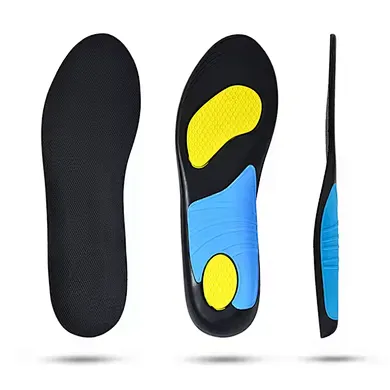
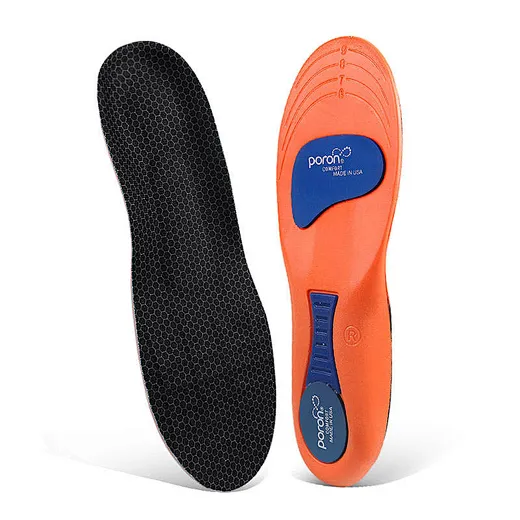
Made from advanced materials like gel, EVA foam, polyurethane, or air capsules, these insoles act as protective buffers between your feet and hard surfaces. They're engineered to compress upon impact and then slowly return to their original shape, effectively reducing the peak forces that would otherwise travel through your body.
When Are Shock-Absorbing Insoles Needed?
1. High-Impact Activities and Sports
If you regularly participate in activities that involve running, jumping, or quick directional changes, shock-absorbing insoles can significantly reduce stress on your joints. These activities include:
- Running and jogging - Each foot strike generates forces 2-3 times your body weight
- Basketball, volleyball, and tennis - Sports involving frequent jumping and lateral movements
- High-intensity interval training (HIIT) - Activities with repetitive impact
- Dance and aerobics - Constant foot pounding on hard studio floors


2. Occupations Requiring Extended Standing or Walking
People who spend long hours on their feet often develop foot, knee, or back pain due to cumulative impact. Shock-absorbing insoles are particularly beneficial for:
- Healthcare workers - Nurses, doctors, and technicians who walk miles during shifts
- Retail and hospitality employees - Constant standing on hard floors
- Construction workers and factory employees - Working on concrete surfaces all day
- Teachers - Hours of standing in classrooms
3. Existing Foot or Joint Conditions
If you have certain medical conditions, shock-absorbing insoles can provide therapeutic benefits:
- Plantar fasciitis - Reducing impact on inflamed plantar fascia tissue
- Arthritis - Cushioning painful joints in feet, ankles, or knees
- Heel spurs - Minimizing direct pressure on bony growths
- Metatarsalgia - Absorbing shock in the ball of the foot
- Shin splints - Reducing ground reaction forces that aggravate shin pain
4. Age-Related Changes
As we age, the natural fat pads in our feet thin out, reducing their natural shock absorption. Shock-absorbing insoles become increasingly important for:
- Adults over 50 experiencing increased foot discomfort
- Seniors with reduced joint cartilage seeking to preserve remaining cushioning
- Anyone noticing their feet feel more sensitive on hard surfaces
5. Weight Considerations
Individuals with higher body mass experience greater impact forces with each step. Shock-absorbing insoles can help distribute these forces more effectively, reducing stress on feet and joints.
How Do Shock-Absorbing Insoles Work?
The Science of Impact Absorption
Shock-absorbing insoles function through several mechanical principles:
Material Compression
Specialized materials compress upon impact, converting kinetic energy into heat energy that dissipates rather than traveling up through your body.
Force Distribution
These insoles spread impact forces over a larger surface area, reducing peak pressure points that can cause pain and injury.
Delayed Rebound
Quality shock-absorbing materials return to their original shape gradually rather than immediately, further reducing the jarring effect on joints.
Types of Shock-Absorbing Insoles
1. Gel-Based Insoles
These use silicone or polymer gels that effectively disperse impact forces. They're particularly good for targeted cushioning in high-pressure areas like heels and balls of feet.
2. Foam Insoles
Made from EVA (ethylene-vinyl acetate) or memory foam, these provide consistent cushioning across the entire footbed. Memory foam molds to your foot shape over time for personalized comfort.
3. Air-Cushioned Insoles
Containing air capsules or channels, these insoles use compressed air to absorb and distribute impact forces. They're often lightweight and maintain their cushioning properties longer than foam.
4. Hybrid Insoles
Combining multiple technologies (gel, foam, air) to provide both targeted and full-foot cushioning along with arch support and stability features.
Expert Insights on Shock Absorption
"Many people underestimate the cumulative impact of daily steps on joint health. The average person takes 5,000-7,000 steps per day, with each step sending shockwaves through the feet, ankles, knees, hips, and even the lower back. Quality shock-absorbing insoles can reduce these forces by 20-40%, significantly decreasing wear and tear on joints over time."
- Dr. Michael Roberts, Sports Podiatrist
"I always recommend shock-absorbing insoles for my patients with arthritis or those recovering from foot surgeries. The reduction in impact not only minimizes pain but can also speed up recovery by creating a more favorable environment for healing tissues. The key is finding the right balance between cushioning and support."
- Dr. Sarah Chen, Orthopedic Specialist
Frequently Asked Questions
How long do shock-absorbing insoles typically last?
Most quality shock-absorbing insoles last 6-12 months with regular use. Athletic insoles used for high-impact activities may need replacement every 3-6 months. Signs it's time for replacement include visible compression, loss of cushioning, or persistent foot discomfort.
Can shock-absorbing insoles help with knee pain?
Yes, they can significantly reduce knee pain caused by impact. By absorbing shock at the foot level, these insoles decrease the forces traveling up to the knees. This is particularly beneficial for conditions like patellofemoral pain syndrome or osteoarthritis.
Are shock-absorbing insoles suitable for people with diabetes?
Yes, but with important considerations. Diabetic individuals should choose insoles specifically designed for their needs, offering both shock absorption and pressure redistribution without creating friction points. Consult a podiatrist for recommendations tailored to diabetic foot care.
Can I use shock-absorbing insoles in all types of shoes?
Most shock-absorbing insoles are trimmable to fit various shoe types. However, they work best in shoes with adequate depth. Very tight or minimalist shoes may not accommodate thicker insoles. Always check the fit after inserting them to ensure proper comfort and function.
Do shock-absorbing insoles affect athletic performance?
When chosen correctly, they can enhance performance by reducing fatigue and discomfort during activity. Some athletes worry about energy return, but studies show the benefits of reduced impact generally outweigh minimal energy absorption in the insole materials.
Conclusion
Shock-absorbing insoles are valuable tools for anyone experiencing foot discomfort or looking to protect their joints from repetitive impact. Whether you're an athlete, someone who stands all day, managing a joint condition, or simply seeking greater comfort in daily activities, these specialized inserts can make a significant difference in how your body feels during and after movement.
Remember that while shock-absorbing insoles address impact-related issues, they should be part of a comprehensive approach to foot health that includes proper footwear, strengthening exercises, and when necessary, professional medical advice. Investing in quality shock absorption today can pay dividends for your long-term joint health and mobility.


The Ultimate Guide to Sports Insoles: Do You Need Them?
Best Shoe Insoles for Walking All Day: Your Ultimate Guide to All-Day Comfort