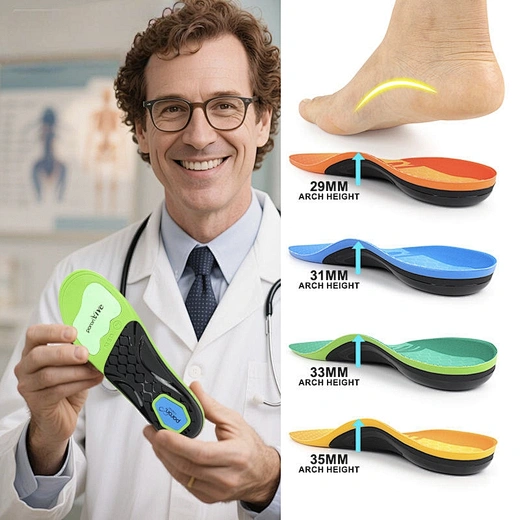
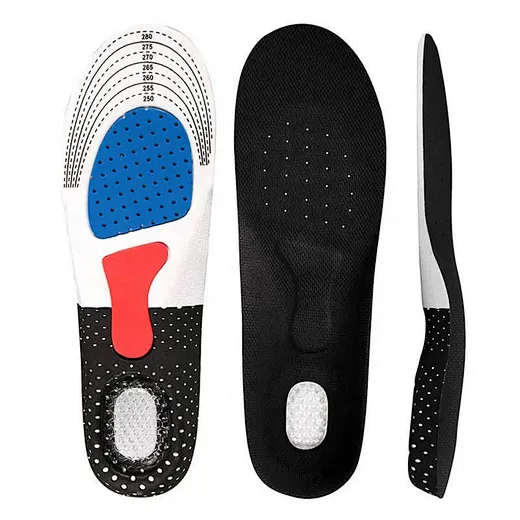
From Plantar Fasciitis to High Arches: How Specialty Insoles Can Help
Discover targeted relief with our high arch orthotic insoles, expertly designed to distribute pressure, support your arch, and align your foot for lasting comfort. Ideal for running, walking, or daily wear.
From Plantar Fasciitis to High Arches: How Specialty Insoles Can Help
Table of Contents
Understanding Foot Conditions
Foot health is often overlooked until discomfort arises, but various conditions can significantly impact daily life and mobility. Two common but distinct conditions are plantar fasciitis and high arches. While they present differently, both can benefit from targeted support through specialty insoles.
Plantar Fasciitis
Plantar fasciitis is an inflammatory condition affecting the plantar fascia, a thick band of tissue connecting the heel to the toes. Common symptoms include sharp heel pain, especially with the first steps in the morning or after prolonged rest.
High Arches
High arches, or pes cavus, involve an exaggerated upward curve of the foot's arch. This condition can lead to instability, uneven weight distribution, and increased pressure on the ball and heel of the foot.
What Are Specialty Insoles?
Specialty insoles, also known as orthotic inserts or shoe inserts, are designed to provide customized support and alignment for specific foot conditions. Unlike generic insoles, these are engineered with materials and structures that address particular biomechanical issues.
Key Features of Specialty Insoles
1. Customizable Arch Support
Most specialty insoles offer varying levels of arch support, which can be crucial for both low and high arches. This support helps distribute pressure evenly across the foot.
2. Cushioning and Shock Absorption
Many insoles incorporate materials like medical-grade foam, gel, or silicone to absorb impact, reducing stress on joints and soft tissues.
3. Heel Cups and Stabilizers
Heel cups cradle the heel to provide stability and alignment, which is particularly beneficial for conditions like plantar fasciitis.
Material Composition
High-quality insoles are typically made from durable materials such as thermoplastic polyurethane (TPU), EVA foam, or memory foam, each offering different benefits for comfort and support.
Looking for that perfect blend of comfort, support, and sustainability? Look no further than our innovative line of shoe inserts, crafted from recyclable EVA foam and premium memory foam. This eco-conscious material duo is designed not just to cushion your feet, but to transform your stride from the ground up. Each insert in our collection leverages these responsive materials to target specific needs, ensuring you find your ideal match.
Explore Our Performance Collection:
Foundation Support & Cushioning Insert: Our entry-point to superior comfort features a resilient EVA base paired with our proprietary Thermo Plate technology. This combination is engineered to deliver exceptional arch support and shock absorption, dispersing impact evenly with every step. It’s the perfect all-rounder for daily wear, providing a stable, cushioned foundation that helps reduce fatigue.
Custom-Fit Performance Insert: Experience personalized comfort with our advanced EVA + ThermoPlate heat-moldable insert. The secret lies in its customizable fit: simply use a hairdryer to gently warm the Thermo Plate, which then becomes pliable, allowing you to mold it to the unique contours of your foot and arch. As it cools, it retains this custom shape, offering unparalleled, tailored support that moves with you.
Corrective & Stabilizing Half-Length Insert: Designed for targeted intervention, this semi-length insert utilizes a sophisticated multi-material construction. It combines TPR for structured support, Ortholite foam for advanced moisture-wicking and long-lasting cushioning, and high-rebound Poron at key pressure points for superior comfort. The defining feature is its deep, reinforced heel cup, which securely cradles the heel to promote optimal alignment, control excess motion, and provide exceptional stability where you need it most.


Plantar Fasciitis: How Insoles Provide Relief
For individuals with plantar fasciitis, the right insoles can make a significant difference in pain management and recovery.
Mechanisms of Relief
Specialty insoles help by:
- Reducing tension on the plantar fascia through arch support
- Cushioning the heel to minimize impact during walking or running
- Improving alignment to prevent overpronation or supination
- Distributing pressure evenly across the foot to avoid concentrated stress points
Types of Insoles for Plantar Fasciitis
Full-Length Insoles
These provide comprehensive support from heel to toe, ensuring consistent pressure distribution.
Heel-Specific Inserts
Focusing on the heel area, these are ideal for those whose pain is concentrated in the heel.
Orthotic Insoles
Often custom-made or semi-customizable, orthotic insoles are designed to correct specific biomechanical issues contributing to plantar fasciitis.
High Arches: Finding Balance with Insoles
High arches can lead to a variety of issues, including foot pain, instability, and an increased risk of ankle injuries. Specialty insoles address these challenges through targeted support.
Challenges of High Arches
- Poor shock absorption due to reduced surface contact
- Excessive pressure on the heel and ball of the foot
- Instability and balance issues
- Increased likelihood of conditions like metatarsalgia or ankle sprains
How Insoles Help High Arches
1. Enhancing Shock Absorption
Insoles with cushioning materials compensate for the foot's natural lack of shock absorption, reducing impact on joints.
2. Improving Stability
By providing a broader base of support, insoles help stabilize the foot and prevent excessive rolling inward or outward.
3. Even Pressure Distribution
Specialty insoles redistribute weight away from pressure points, alleviating discomfort in the heel and forefoot.
Expert Perspective
"Specialty insoles are not just about comfort; they're a therapeutic tool for managing foot conditions. For plantar fasciitis, insoles with targeted arch support and heel cushioning can reduce strain on the plantar fascia. For high arches, the focus is on providing stability and shock absorption. The key is choosing insoles that match your specific biomechanical needs rather than opting for generic solutions."
– Dr. Amanda Chen, DPM, Board-Certified Podiatrist and Foot Surgeon
Choosing the Right Insoles
Selecting appropriate insoles depends on several factors, including the specific condition, activity level, and footwear.
Considerations for Selection
1. Condition-Specific Design
Ensure the insoles are designed for your particular condition, whether it's plantar fasciitis, high arches, or another issue.
2. Activity Level
Different activities require different support. Running insoles may prioritize shock absorption, while daily wear insoles focus on all-day comfort.
3. Footwear Compatibility
Check that the insoles fit comfortably in your shoes without crowding the toe box or altering the fit.
4. Material and Durability
Consider the longevity of the materials, especially if you plan to use the insoles regularly.
Frequently Asked Questions
1. Can I use the same insoles for plantar fasciitis and high arches?
While some insoles are versatile, it's generally best to choose condition-specific designs. Plantar fasciitis insoles focus on heel support and tension reduction, while high-arch insoles prioritize stability and shock absorption. Some premium insoles are adjustable to address multiple concerns.
2. How long do specialty insoles typically last?
The lifespan varies by material and usage. On average, high-quality insoles last between 6 to 12 months with regular use. Signs of wear include flattened cushioning, visible cracks, or reduced support.
3. Are over-the-counter insoles effective, or do I need custom orthotics?
Many over-the-counter insoles are highly effective for common conditions. Custom orthotics are typically recommended for severe or complex cases, or when standard insoles don't provide adequate relief. A podiatrist can help determine the best option.
4. Can I wear specialty insoles in all types of shoes?
Most insoles are designed to fit in a variety of shoes, but thickness and shape may limit compatibility with certain footwear like high heels or minimalist shoes. Look for low-profile designs for snug-fitting shoes.
5. How quickly can I expect relief after using specialty insoles?
Many users experience immediate cushioning comfort, but therapeutic benefits for conditions like plantar fasciitis may take 2-4 weeks of consistent use. For best results, wear the insoles daily and pair with appropriate footwear.
6. Are there any side effects to using specialty insoles?
When chosen correctly, side effects are rare. Some users may experience initial discomfort as the feet adjust to improved alignment. If pain persists beyond a week, consult a healthcare professional to ensure proper fit and design.
Conclusion
From plantar fasciitis to high arches, specialty insoles offer a non-invasive, effective solution for improving foot health and comfort. By providing targeted support, cushioning, and alignment, these inserts address the unique biomechanical challenges of each condition. Whether you choose over-the-counter options or custom orthotics, the key is selecting insoles designed for your specific needs and using them consistently in appropriate footwear. Remember that while insoles can provide significant relief, they work best as part of a comprehensive foot care plan that may include exercises, proper footwear, and professional medical advice when needed.


How to Choose Orthotic Insoles: A Complete Guide for Foot Support
Care and Maintenance: How to Extend the Life of Your Orthopedic Insoles