Stop Foot Fatigue: How Sports Insoles Can Transform Your Workout
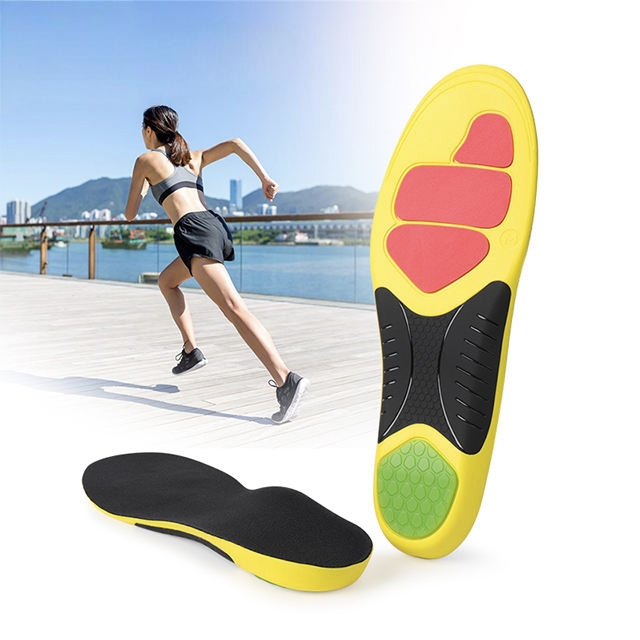
Discover what makes good insoles for running: proper arch support,responsive cushioning, and heel stability.These features help absorb impact,improve alignment, and reduce fatigue for more comfortable miles. Ideal for both training and long-distance runs.
Stop Foot Fatigue: How Sports Insoles Can Transform Your Workout
Discover how the right insoles can boost performance, prevent injury, and eliminate foot pain during exercise
Table of Contents
Understanding Exercise-Induced Foot Fatigue
Foot fatigue is a common issue among athletes and fitness enthusiasts, characterized by soreness, aching, and reduced performance during or after workouts. This occurs when the muscles, tendons, and ligaments in your feet become overworked from repetitive impact and stress.
Primary Causes of Foot Fatigue During Exercise:
- Repetitive Impact from running, jumping, or high-intensity training
- Poor Biomechanics including overpronation or supination
- Inadequate Footwear with insufficient support or cushioning
- Hard Training Surfaces like concrete, asphalt, or gym floors
- Muscle Imbalances that place uneven stress on feet
Did You Know?
During a typical 30-minute run, your feet absorb over 3,000 impacts, each with a force of 2-3 times your body weight. Without proper support, this repetitive stress leads to fatigue and potential injury.
How Sports Insoles Combat Foot Fatigue
Shock Absorption Technology
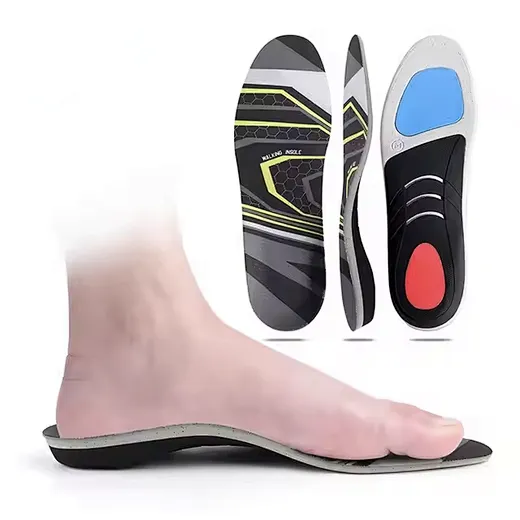
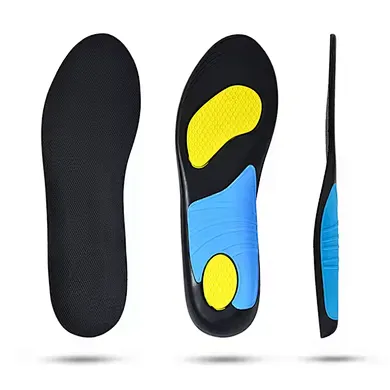
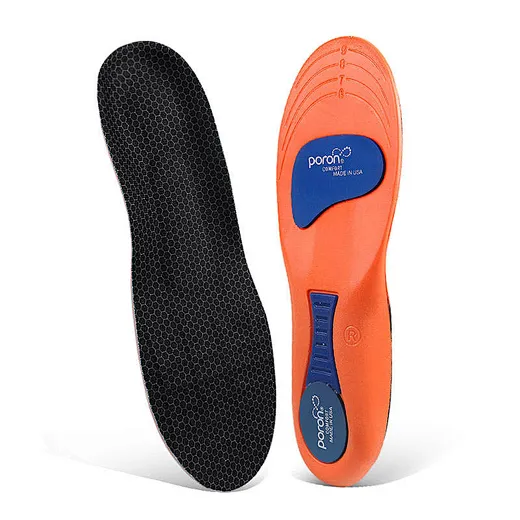
High-quality sports insoles feature advanced materials like EVA foam, gel pads, or air capsules that absorb and disperse impact forces before they reach your joints.
Arch Support Systems
Proper arch support maintains optimal foot alignment, preventing overpronation and distributing pressure evenly across your entire foot.
Enhanced Stability
Sports insoles with heel cups and side reinforcements stabilize your foot during lateral movements, reducing muscle strain and fatigue.
Improved Biomechanics
By correcting alignment issues, insoles ensure your feet, ankles, knees, and hips work together efficiently, reducing energy waste and fatigue.
Moisture Management
Many sports insoles feature moisture-wicking materials that keep feet dry, reducing friction and blister formation during long workouts.
Key Benefits of Sports Insoles
Enhanced Performance
Better energy transfer and reduced fatigue let you train harder and longer.
Injury Prevention
Proper alignment reduces risk of plantar fasciitis, shin splints, and stress fractures.
Faster Recovery
Less muscle soreness and fatigue means quicker recovery between workouts.
Extended Shoe Life
Insoles absorb impact that would otherwise break down your shoes' cushioning.
Performance Improvement Statistics:
- Up to 15% reduction in perceived exertion with proper insoles
- 20% longer workout duration before fatigue sets in
- 52% reduction in incidence of common running injuries
- Improved form and technique due to better stability
Choosing the Right Sports Insoles
For Runners
Look for insoles with maximum shock absorption in the heel and forefoot, along with moderate arch support to handle repetitive forward motion.
For Court Sports
Basketball, tennis, and volleyball players need insoles with lateral stability features and cushioning that can handle multi-directional movements.
For Cross-Training
HIIT and weightlifting enthusiasts should prioritize firm arch support and stability over maximum cushioning for better force transfer.
For Walking and Hiking
Look for insoles with all-day comfort features, moisture-wicking properties, and durable construction for long-distance activities.
Pro Tip:
Always bring your workout shoes when shopping for insoles to ensure proper fit. The best insoles should feel supportive but not restrictive.


Expert Insights on Sports Insoles
"The right sports insoles are not just about comfort—they're performance enhancers. I've seen athletes improve their times and reduce injury rates simply by upgrading their foot support. The key is matching the insole to both the sport and the individual's biomechanics."
Dr. Rebecca Simmons
Sports Podiatrist and Biomechanics Specialist
Additional Professional Recommendations:
- Replace insoles regularly - every 300-500 miles for runners or every 6-12 months for regular athletes
- Consider custom orthotics if you have specific biomechanical issues or recurring injuries
- Break in new insoles gradually - start with shorter workouts before full integration
- Match insole type to your foot strike pattern - heel strikers need different support than forefoot strikers
- Don't ignore discomfort - if insoles cause pain, they may not be the right fit for your feet
FAQs About Sports Insoles
Can sports insoles really improve my performance?
Yes! By reducing foot fatigue and improving biomechanical efficiency, quality insoles can help you maintain proper form longer, potentially leading to better performance and faster times.
How do I know if I need sports insoles?
Signs you might benefit include frequent foot fatigue, recurring injuries, blisters, or noticeable wear patterns on your shoes that indicate biomechanical issues.
Are expensive insoles worth the investment?
Higher-priced insoles often feature advanced materials and technology that provide better support and durability. For serious athletes, the investment typically pays off in performance and injury prevention.
Can I use the same insoles in different athletic shoes?
While possible, it's better to have sport-specific insoles as different activities place different demands on your feet. The ideal scenario is dedicated insoles for each type of workout shoe.
How long do sports insoles typically last?
Depending on usage, most quality sports insoles should be replaced every 6-12 months. High-mileage runners may need to replace them more frequently.
Conclusion
Foot fatigue doesn't have to limit your workouts or performance. The right sports insoles can transform your exercise experience by providing essential support, shock absorption, and biomechanical correction. Whether you're a weekend warrior or competitive athlete, investing in quality insoles is one of the simplest yet most effective ways to enhance performance, prevent injury, and keep you active longer.
Remember: Your feet are the foundation of every movement—give them the support they deserve.


The Key Feature of a Sports Shoe Insole: Support, Cushioning, or Fit?
Find the Perfect Everyday Insoles for Your Daily Shoes:Your Guide to All-Day Comfort and Foot Health