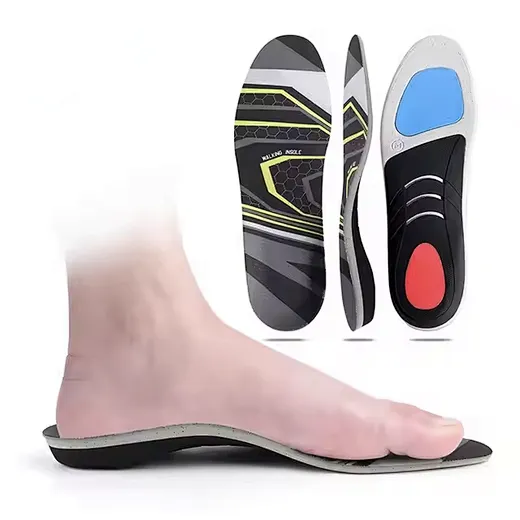
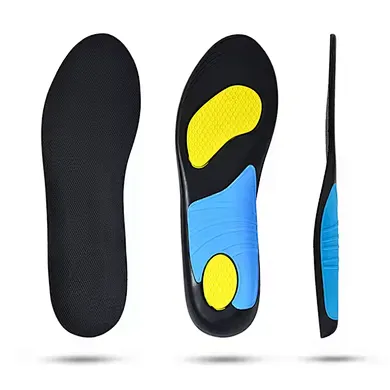
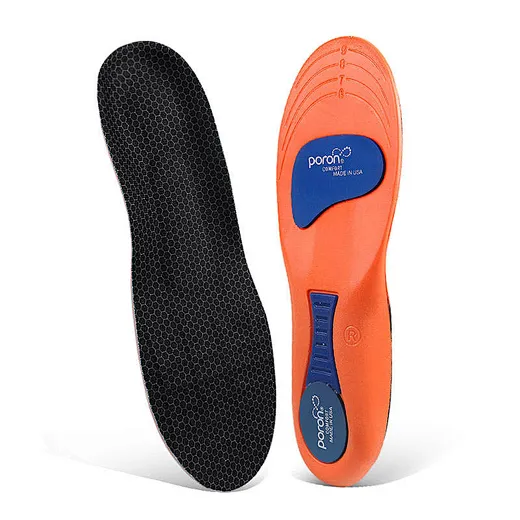
Find the Perfect Everyday Insoles for Your Daily Shoes:Your Guide to All-Day Comfort and Foot Health

Discover how the right footbed is the foundation of foot comfort. As the contoured base inside your shoe, a quality footbed provides essential arch support, cushioning, and stability, enhancing fit and reducing fatigue for daily activities.
Find the Perfect Everyday Insoles for Your Daily Shoes:Your Guide to All-Day Comfort and Foot Health
Table of Contents
Why Everyday Insoles Matter
Most shoes come with generic, flimsy insoles that provide minimal support for daily activities. Everyday insoles transform ordinary footwear into comfortable, supportive companions that can:
- Reduce fatigue during long periods of standing or walking
- Prevent common foot problems like plantar fasciitis, arch pain, and heel spurs
- Improve posture by aligning your feet, ankles, and knees
- Extend the life of your shoes by absorbing impact that would otherwise break down the shoe structure
- Enhance overall comfort with targeted cushioning and support
Did You Know?The average person takes between 5,000 and 7,000 steps per day – that's over 2.5 million steps per year! Quality insoles can make each step more comfortable and less damaging to your joints.
Types of Everyday Insoles
Cushioning Insoles
Designed primarily for comfort, cushioning insoles use materials like memory foam, gel, or EVA foam to absorb impact. They're ideal for people who spend long hours on their feet.
Support Insoles
Support insoles feature firm arch support and heel cups to stabilize the foot. They're perfect for those with flat feet, high arches, or overpronation issues.
Orthotic Insoles
These are medically-designed inserts that provide corrective support for specific foot conditions. They're often recommended by podiatrists for chronic foot problems.
3/4 Length vs. Full-Length Insoles
3/4 length insoles provide support without crowding the toe box, while full-length insoles offer complete coverage and are typically more comfortable for all-day wear.
Shoe-Specific Insole Recommendations
Dress Shoes
Choose thin, flexible insoles with moderate arch support. Look for leather or slim foam options that won't make shoes feel tight.
Athletic Shoes
Opt for cushioned, supportive insoles with good shock absorption. Gel or advanced foam materials work well for running and gym activities.
Work Boots
Select durable, supportive insoles with firm arch support and moisture-wicking properties. Look for options designed for heavy-duty use.
Casual Shoes & Sneakers
Choose all-purpose insoles with balanced cushioning and support. Memory foam or EVA foam options work well for everyday comfort.
Special Considerations
For people with specific needs:
- Diabetic individuals should look for seamless, extra-cushioned insoles to prevent pressure points
- Plantar fasciitis sufferers need firm arch support and heel cushioning
- People with wide feet should consider trim-to-fit options to ensure proper sizing
Choosing the Right Insole for Your Needs
Step 1: Identify Your Foot Type
Perform the "wet test" – wet your foot and step on a piece of cardboard. Your footprint will reveal whether you have flat feet, normal arches, or high arches.
Step 2: Consider Your Daily Activities
Do you stand all day? Walk on hard surfaces? Participate in sports? Your activity level determines the type of support and cushioning you need.
Step 3: Evaluate Your Current Discomfort
Note where you experience pain – heels, arches, balls of feet – to select insoles that target your specific problem areas.
Step 4: Check Your Shoe Type and Size
Ensure the insoles you choose will fit properly in your shoes. Some may need to be trimmed for an exact fit.
Expert Advice on Everyday Insoles
"Many people underestimate the impact of proper foot support on overall health. The right everyday insole can not only alleviate foot pain but also improve knee, hip, and back alignment. I recommend starting with a quality over-the-counter insole before investing in custom orthotics, as many people find sufficient relief with well-designed retail options."
Dr. David Peterson
Podiatrist and Foot Health Specialist
Additional Professional Recommendations:
- Replace insoles regularly – every 6-12 months for daily use, or when they show visible wear
- Break in new insoles gradually – wear them for a few hours at first, then gradually increase usage
- Consider multiple pairs for different types of shoes and activities
- Look for moisture-wicking properties if you have sweaty feet or live in a humid climate
- Consult a professional if you have persistent foot pain or specific medical conditions
FAQs About Everyday Insoles
How do I know if I need insoles?
Signs you might benefit from insoles include frequent foot fatigue, arch or heel pain, shoes that wear out unevenly, or general discomfort when standing or walking for extended periods.
Can I use the same insoles in all my shoes?
While you can transfer insoles between similar shoe types, it's better to have dedicated insoles for different shoe categories (dress shoes, athletic shoes, boots) as each requires different support and thickness.
Are expensive insoles worth the money?
Higher-priced insoles often use better materials and more advanced support systems, making them more durable and effective. However, moderately priced options can work well for basic comfort needs.
How do I clean my insoles?
Most insoles can be hand-washed with mild soap and water, then air-dried. Avoid machine washing and direct heat sources which can damage the materials.
Can insoles help with knee or back pain?
Yes! Proper foot alignment through quality insoles can improve overall biomechanics, potentially reducing strain on knees, hips, and back.
Conclusion
Finding the perfect everyday insoles can transform your daily comfort and foot health. Whether you need cushioning for long work shifts, support for flat feet, or specialized orthotics for medical conditions, the right insole makes a remarkable difference. Remember to consider your foot type, daily activities, and shoe styles when making your selection.


Stop Foot Fatigue: How Sports Insoles Can Transform Your Workout
The Ultimate Guide to Sports Insoles: Do You Need Them?