How Can Orthotic Shoe Insoles Help? A Deep Dive into Common Foot Problems Relieved
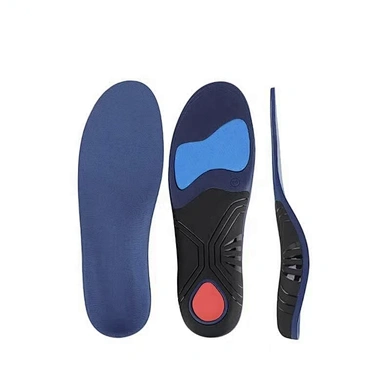
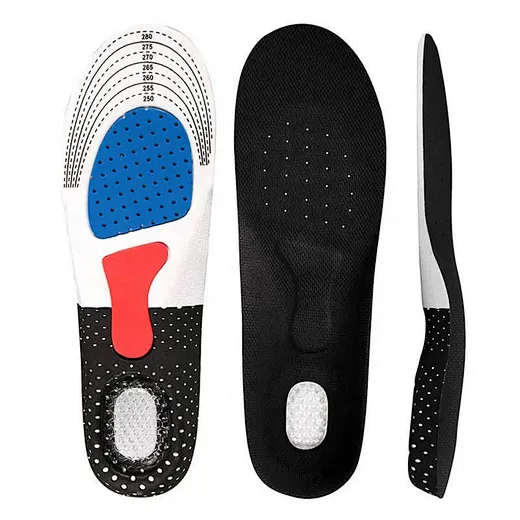
Discover quality foot insoles designed for everyday comfort and support. These inserts provide arch cushioning, shock absorption, and pressure relief to reduce foot fatigue. Ideal for enhancing comfort in work, casual, or athletic footwear.
How Can Orthotic Shoe Insoles Help? A Deep Dive into Common Foot Problems Relieved
Table of Contents
- Introduction: The Power of Orthotic Insoles
- How Orthotic Insoles Work: The Science of Support
- Common Foot Problems Relieved by Orthotic Insoles
- Expert Consensus on Orthotic Efficacy
- Frequently Asked Questions (FAQs)
- Conclusion: Stepping Forward with Confidence
Introduction: The Power of Orthotic Insoles
Foot pain is a widespread ailment that can drastically reduce quality of life, limiting mobility and enjoyment of daily activities. For millions, the solution lies not in drastic measures, but in a simple, non-invasive intervention: orthotic shoe insoles. These are not mere cushions; they are biomechanical devices designed to correct alignment, distribute pressure, and support the foot's natural structure. This comprehensive guide explores how orthotic insoles target and alleviate some of the most common podiatric complaints, backed by expert insights and practical advice.
How Orthotic Insoles Work: The Science of Support
Orthotic insoles function as an interface between your foot and your shoe, actively modifying the forces that act on your feet and lower limbs. Unlike standard fl at insoles, they are engineered with specifi c contours and densities to address mechanical imbalances.
The Three Pillars of Orthotic Function
1. Biomechanical Realignment
By providing targeted arch support (medial, lateral, or longitudinal), orthotics guide the foot into a more neutral position. This corrects issues like overpronation (rolling inward) or supination (rolling outward), which are root causes of many foot, knee, and back problems.
2. Pressure Redistribution
Areas of the foot that endure excessive pressure—such as the heel or ball—are relieved through strategic cushioning and load transfer. This is crucial for preventing and managing ulcers in diabetic patients and reducing pain from metatarsalgia.
3. Shock Absorption and Stability
Materials like EVA, polyurethane, and specialized gels dampen the impact force from each step. Combined with a deep heel cup, they stabilize the hindfoot, preventing harmful lateral movement and providing a stable foundation for the entire body.
Common Foot Problems Relieved by Orthotic Insoles
Orthotic insoles are a fi rst-line conservative treatment for a variety of conditions. Here is a detailed look at how they help specifi c ailments.
1. Plantar Fasciitis
This stabbing heel pain, caused by inflammation of the plantar fascia ligament, is one of the most common reasons people seek orthotics.
- How Insoles Help: Orthotics with firm arch support reduce tension on the plantar fascia by preventing over-stretching. A cushioned heel pad absorbs shock at the point of impact, while the heel cup minimizes micro-tears in the tissue by controlling heel motion.
2. Flat Feet (Pes Planus) and Fallen Arches
This condition involves the collapse of the foot's medial arch, leading to fatigue, pain, and joint stress up the kinetic chain.
- How Insoles Help: Custom or semi-rigid orthotics provide the arch support the foot lacks, artificially recreating the arch's shape. This realigns the ankle, reduces strain on tendons, and improves overall foot posture, preventing the inward ankle roll characteristic of overpronation.
3. Metatarsalgia (Ball of Foot Pain)
Characterized by pain and inflammation in the ball of the foot, often due to excessive pressure.
- How Insoles Help: Insoles featuring a metatarsal pad or bar are key. This raised area is positioned just behind the ball of the foot to lift and separate the metatarsal bones, redistributing pressure away from the painful area and allowing tissues to heal.
4. Bunions (Hallux Valgus) and Tailor's Bunions
A bony deformity at the base of the big or little toe, often exacerbated by pressure and improper alignment.
- How Insoles Help While they cannot reverse a bunion, orthotics slow progression by addressing the underlying biomechanical fault. They improve overall foot alignment and reduce the abnormal forces that push the toe joint outward. Toe separators can be integrated for added relief.
5. Heel Spurs
A calcium deposit that forms on the heel bone, often coexisting with plantar fasciitis.
- How Insoles Help: The primary action is to cushion and protect the sensitive heel area. Deep heel cups and shock-absorbing materials reduce direct impact on the spur, while proper alignment minimizes the traction forces that can aggravate it.
6. Achilles Tendonitis and Shin Splints
These overuse injuries in the lower leg are frequently linked to faulty foot mechanics.
- How Insoles Help: By correcting pronation and providing a stable platform, orthotics reduce the twisting and excessive stretching forces on the Achilles tendon and the tibial muscles responsible for shin splints.
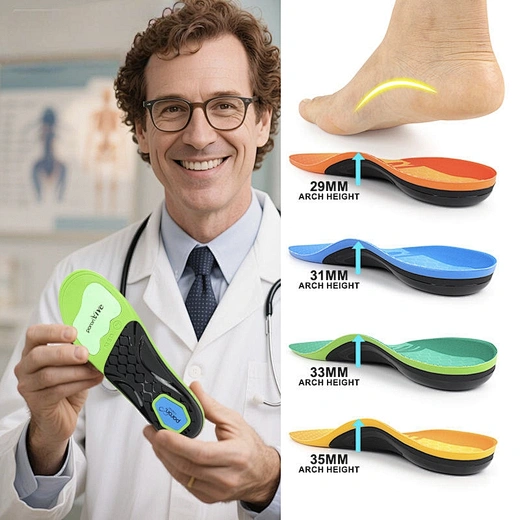
A well-fitted pair of orthopedic insoles can effectively relieve minor foot discomfort. The key is to choose the appropriate style based on your specific foot condition. Options are designed to support different arch heights and incorporate strategic zoning for cushioning, ensuring targeted relief and improved comfort with everyday wear.


Expert Consensus on Orthotic Efficacy
Healthcare professionals widely endorse orthotic insoles as a cornerstone of non-surgical foot care. Dr. Anya Sharma, DPM, a board-certified podiatrist and fellow of the American College of Foot and Ankle Surgeons, states: "The clinical evidence supporting prescription custom orthotics for specific pathologies like plantar fasciitis and posterior tibial tendon dysfunction is robust. However, even high-quality, prefabricated orthotics can offer signifi cant benefi t for the general population by promoting healthier gait patterns and offl oading areas of pathologic pressure. The key is proper selection—matching the insole's design to the patient's foot structure and activity level."
Dr. Sharma further emphasizes that orthotics are most effective as part of a comprehensive plan that may include appropriate footwear, stretching, and strengthening exercises.
Frequently Asked Questions (FAQs)
1. What is the difference between custom orthotics and over-the-counter (OTC) insoles?
Custom orthotics are prescribed by a podiatrist and are crafted from a 3D scan or mold of your foot, addressing your unique biomechanics. OTC insoles are pre-made in standard sizes and arches, offering general support. Custom devices are for specifi c, often severe, medical conditions, while high-quality OTC orthotics are excellent for preventative care and mild to moderate issues.
2. How long does it take to get used to wearing orthotic insoles?
An adaptation period of 1-3 weeks is normal. Start by wearing them for 1-2 hours a day, gradually increasing duration. Your feet and legs need time to adjust to the new, corrected alignment.
3. Can I transfer my orthotics between different shoes?
Yes, as long as the shoes have a removable factory insole and provide enough depth to accommodate the orthotic without crowding your foot. They work best in supportive, properly fitted footwear with a firm heel counter.
4. How often should I replace my orthotic insoles?
Even high-quality materials break down. For active individuals, OTC orthotics should typically be replaced every 6-12 months. Custom orthotics can last several years but should be evaluated annually by your podiatrist for wear and continued suitability.
5. Will orthotics cure my foot problem permanently?
Orthotics are a management tool, not a cure. They effectively control symptoms and prevent worsening by addressing mechanical causes. For lasting change, they are often used alongside other therapies like physical therapy.
Conclusion: Stepping Forward with Confidence
Orthotic shoe insoles represent a powerful, accessible tool in the management of common foot disorders. From the sharp sting of plantar fasciitis to the aching fatigue of flat feet, they work by fundamentally improving how our feet interact with the ground. By providing essential arch support, pressure redistribution, and biomechanical stability, they not only relieve pain but also enhance overall mobility and prevent future injury. Consulting with a foot care specialist is the best fi rst step to determine if orthotics are right for you and to ensure you select a product that targets your specifi c needs. Investing in your foot health with orthotic insoles is an investment in a more active, comfortable, and pain-free life.


Can Orthotic Insoles Be Worn Daily? What You Need to Know
Orthotic Insoles for Plantar Fasciitis: Do They Work and How to Choose