Fallen Arches vs. Plantar Fasciitis: Understanding the Difference and Finding Relief

Understanding foot arch problems: Fallen arches refer to collapsed foot structure, while plantar fasciitis involves inflamed tissue. Both cause heel pain, but require different treatments—supportive orthotics for arches versus stretching for fascia.
Fallen Arches vs. Plantar Fasciitis: Understanding the Difference and Finding Relief
Table of Contents
- Overview: Two Common Foot Problems
- What Are Fallen Arches?
- What Is Plantar Fasciitis?
- Key Differences at a Glance
- How Orthotic Insoles Provide Targeted Relief
- Expert View: A Podiatrist's Perspective
- Frequently Asked Questions (FAQs)
- Conclusion: Taking the Right Step Forward
Overview: Two Common Foot Problems
Foot pain can be debilitating, and two of the most common culprits are fallen arches (flat feet) and plantar fasciitis. While their symptoms can sometimes overlap—like arch or heel pain—they are distinct conditions with different causes. Understanding the difference is the first step toward effective treatment, and for both, orthotic insoles often play a crucial role in management and recovery.
What Are Fallen Arches (Pes Planus)?
Fallen arches, medically known as pes planus, is a structural condition where the arch of the foot collapses, causing the entire sole to come into complete or near-complete contact with the ground.
Symptoms of Fallen Arches
- Pain or aching along the inside of the ankle and arch.
- Swelling along the inside of the ankle.
- Foot fatigue, especially after standing or walking for long periods.
- An outward tilting of the heel (overpronation).
- Pain in the knees, hips, or lower back due to altered leg alignment.
Primary Causes
- Genetics: Some people are born with flat feet.
- Posterior Tibial Tendon Dysfunction (PTTD): A weakening of the main tendon that supports the arch.
- Age and wear-and-tear: Arches can gradually fall over time.
- Injury: Such as a fracture or tendon tear.
What Is Plantar Fasciitis?
Plantar fasciitis is an overuse injury characterized by inflammation of the plantar fascia—a thick, fibrous band of tissue that runs along the bottom of your foot, connecting your heel bone to your toes.
Symptoms of Plantar Fasciitis
- Sharp, stabbing heel pain, especially with the first few steps in the morning or after rest.
- Pain that usually decreases after walking for a while but may return after long periods of activity.
- Pain that is typically localized to the bottom of the heel but can radiate into the arch.
- Tenderness to touch on the heel.
Primary Causes
- Repetitive stress from activities like running, jumping, or prolonged standing.
- Tight calf muscles or Achilles tendons.
- Sudden increases in physical activity.
- Biomechanical issues, including fallen arches or high arches, which strain the plantar fascia.
Key Differences at a Glance
Nature of the Condition
- Fallen Arches: A structural and mechanical issue related to the foot's architecture.
- Plantar Fasciitis: An inflammatory condition of a specific ligament.
Location of Pain
- Fallen Arches: Pain is more diffuse, often felt in the arch, inner ankle, and up the leg.
- Plantar Fasciitis: Pain is sharply focused on the bottom of the heel.
Pain Pattern
- Fallen Arches: Pain typically worsens with activity and prolonged standing.
- Plantar Fasciitis: Pain is most severe after rest (post-static dyskinesia).
How Orthotic Insoles Provide Targeted Relief
While different, both conditions benefit immensely from the strategic use of orthotic insoles. However, the type of support needed varies.
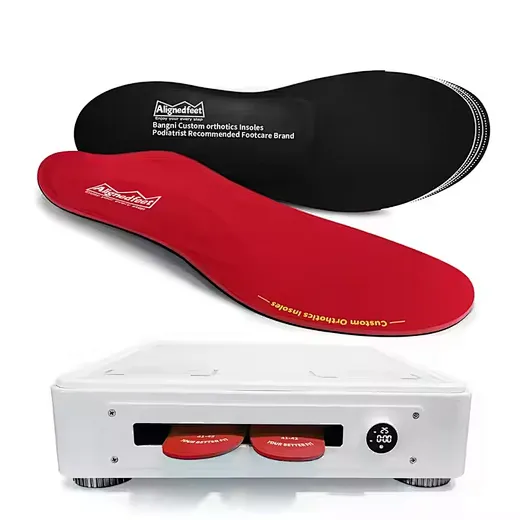
Insoles for Fallen Arches
The goal is to correct the alignment and support the collapsed arch.
- Firm Arch Support: Insoles need a rigid or semi-rigid arch to prevent overpronation and realign the foot.
- Heel Cup: A deep heel cradle stabilizes the foot and ankle.
- Motion Control: These insoles are designed to control the foot's excessive inward rolling.
Insoles for Plantar Fasciitis
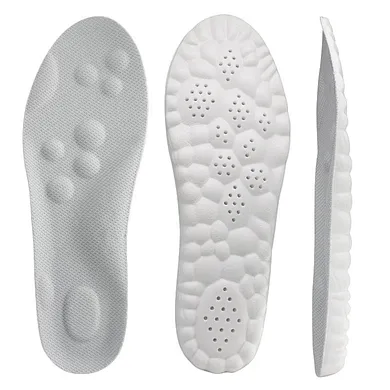
The goal is to cushion the heel and reduce tension on the plantar fascia.
- Heel Cushioning: Gel pads or soft foam in the heel area absorb shock.
- Arch Support: Moderate arch support helps distribute pressure and prevent overstretching of the fascia.
- Night Splint Compatibility: Some insoles are designed to work in conjunction with other treatments.
Combination Approach
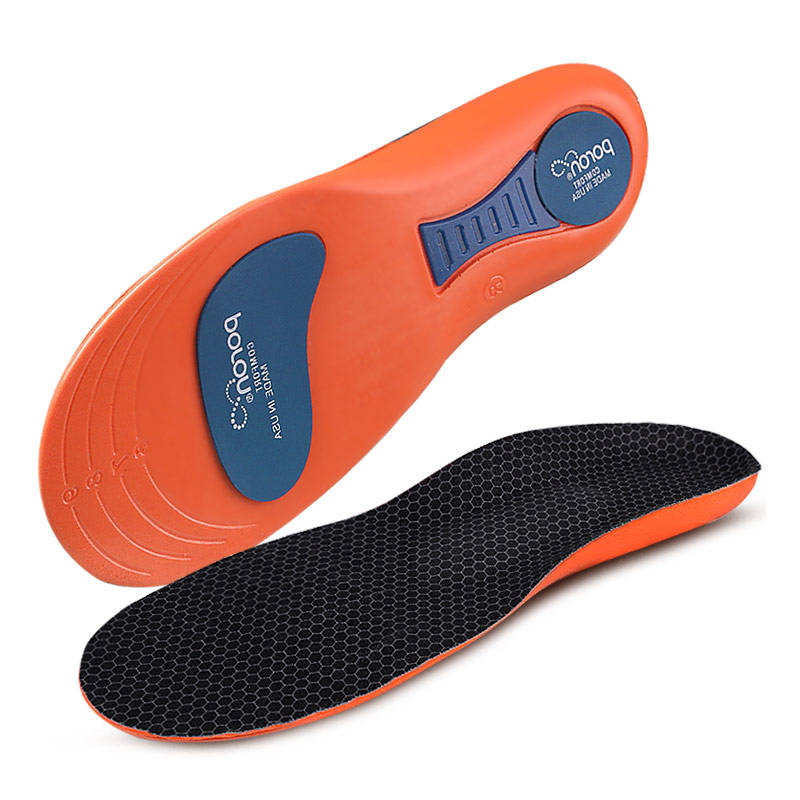
Since fallen arches can cause plantar fasciitis, many people need a combination of features: a supportive arch to correct biomechanics and plush cushioning to alleviate heel pain.
Expert View: A Podiatrist's Perspective
Dr. Angela Roberts, DPM, explains the connection: "Many patients come to me with heel pain, convinced they have plantar fasciitis. While that's often true, the root cause is frequently biomechanical, such as fallen arches. The collapsed arch puts constant strain on the plantar fascia, leading to inflammation. In these cases, simply treating the inflammation isn't enough. We need to address the underlying structural issue with custom or over-the-counter orthotics that provide sustained, firm arch support to unload the fascia."
Frequently Asked Questions (FAQs)
1. Can I have both fallen arches and plantar fasciitis at the same time?
Yes, absolutely. In fact, fallen arches are a common risk factor for developing plantar fasciitis. The instability from the flat foot places excessive tension on the plantar fascia, leading to inflammation.
2. How do I know which condition I have?
While this guide can help, a proper diagnosis from a podiatrist or orthopedic specialist is essential. They will examine your foot, observe your gait, and may order imaging tests like X-rays to determine the exact cause of your pain.
3. Are the same insoles good for both conditions?
Not necessarily. While some high-quality orthotic insoles are designed to address both arch support and heel cushioning, it's important to choose a product tailored to your primary issue. For primarily fallen arches, prioritize firm support. For pure plantar fasciitis without significant collapse, cushioning may be the priority.
4. How long does it take for insoles to help with pain?
For plantar fasciitis, you may feel some relief in a few weeks as inflammation decreases. For the structural support of fallen arches, it can take a month or longer for your body to adjust to the new alignment and for pain to subside. Consistency is key.
Conclusion: Taking the Right Step Forward
Understanding the difference between fallen arches and plantar fasciitis is critical for finding effective, long-term relief. Fallen arches are a structural problem requiring corrective support, while plantar fasciitis is an inflammatory condition needing cushioning and tension relief. Often, the two are interconnected.
Regardless of the diagnosis, orthotic insoles are a cornerstone of non-invasive treatment. By providing the right combination of arch support and heel cushioning, they can realign your feet, absorb harmful impact, and distribute pressure evenly. If you're experiencing persistent foot pain, consult a healthcare professional for an accurate diagnosis and invest in the right insoles to get back on your feet comfortably.


How to Fix Fallen Arches: A Comprehensive Guide to Treatment and Relief
Can Flat Feet Be Corrected? Understanding Treatment Options and the Role of Insoles