Flat Feet Arch Support: The Ultimate Guide to Comfort and Stability
Discover effective flat feet arch support solutions designed to alleviate discomfort and improve foot alignment. Our specialized insoles provide structured support, reduce overpronation, and enhance comfort for walking, running, or daily activities.
Flat Feet Arch Support: The Ultimate Guide to Comfort and Stability
How specialized insoles can transform your foot health and overall well-being
Table of Contents
Understanding Flat Feet
Flat feet, also known as fallen arches, is a common condition where the arches of the feet collapse, causing the entire sole to touch the ground when standing. While some people with flat feet experience no symptoms, others may suffer from pain, fatigue, and mobility issues.
Causes of Flat Feet
Flat feet can result from various factors:
- Genetic predisposition - inherited foot structure
- Aging - natural wear and tear on tendons
- Injury - damage to foot or ankle structures
- Medical conditions - such as arthritis or diabetes
- Obesity - excess weight putting pressure on arches
- Pregnancy - hormonal changes that loosen ligaments
Symptoms and Complications
Without proper support, flat feet can lead to:
- Foot pain, especially in the arch or heel area
- Swelling along the inside of the ankle
- Knee, hip, or lower back pain due to misalignment
- Uneven shoe wear and difficulty finding comfortable footwear
- Increased risk of conditions like plantar fasciitis and Achilles tendonitis
The Role of Arch Support Insoles
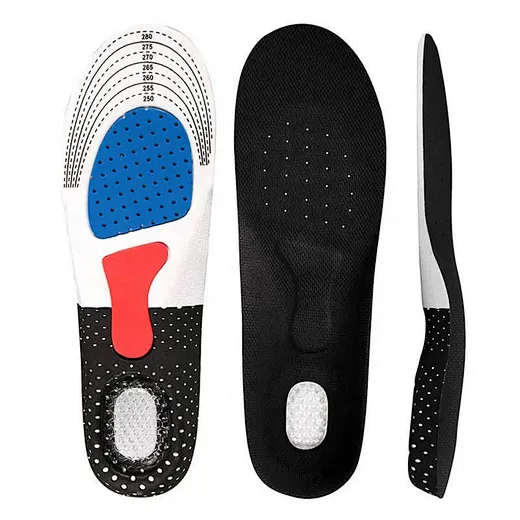
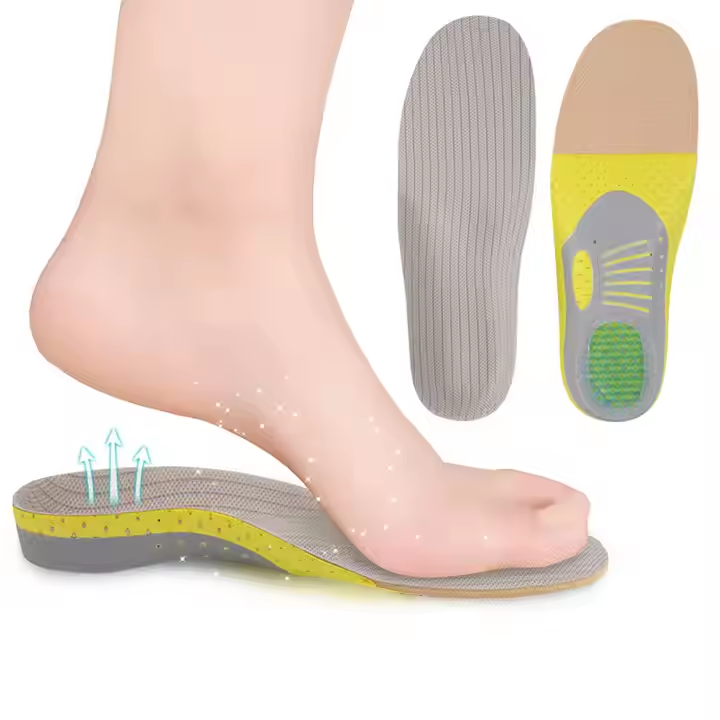
Arch support insoles are specially designed shoe inserts that provide structural support to compensate for the lack of natural arches in flat feet. These devices work by:
Redistributing Pressure
By creating an artificial arch, these insoles evenly distribute body weight across the entire foot, reducing excessive pressure on specific areas that would otherwise bear the brunt of impact.
Improving Alignment
Quality arch supports help realign the feet, ankles, knees, and hips, correcting the biomechanical issues that often accompany flat feet. This improved alignment can alleviate pain not just in the feet but throughout the entire lower body.
Absorbing Shock
Many arch support insoles feature cushioning materials that absorb impact during walking, running, or standing, reducing stress on joints and preventing fatigue.
Enhancing Stability
By providing a supportive foundation, these insoles improve balance and stability, reducing the risk of falls and injuries, especially during physical activities.
Types of Arch Support Insoles
Not all arch supports are created equal. Understanding the different types available can help you make an informed decision:
Over-the-Counter (OTC) Insoles
These are readily available at pharmacies, shoe stores, and online retailers. They come in various sizes and levels of support, making them a convenient and affordable option for mild to moderate flat feet.
Custom Orthotics
Prescribed by podiatrists, custom orthotics are tailor-made to address your specific foot structure and biomechanical needs. While more expensive, they offer the most precise support for severe flat feet or specific medical conditions.
Heat-Moldable Insoles
These semi-custom insoles can be heated and shaped to better fit your foot's contour, offering a middle ground between OTC options and fully custom orthotics.
Specialized Activity Insoles
Designed for specific activities like running, hiking, or standing for long periods, these insoles provide targeted support based on the demands of the activity.
| Type | Best For | Pros | Cons |
|---|---|---|---|
| OTC Insoles | Mild symptoms, budget-conscious users | Affordable, easily accessible | Limited customization |
| Custom Orthotics | Severe flat feet, specific medical conditions | Perfect fit, targeted support | Expensive, requires professional consultation |
| Heat-Moldable | Those wanting better fit without custom cost | Better fit than OTC, more affordable than custom | Still not perfectly tailored |
| Activity-Specific | Athletes, workers with specific needs | Optimized for particular activities | May not suit all-day wear |
Choosing the Right Insole
Selecting the appropriate arch support requires careful consideration of several factors:
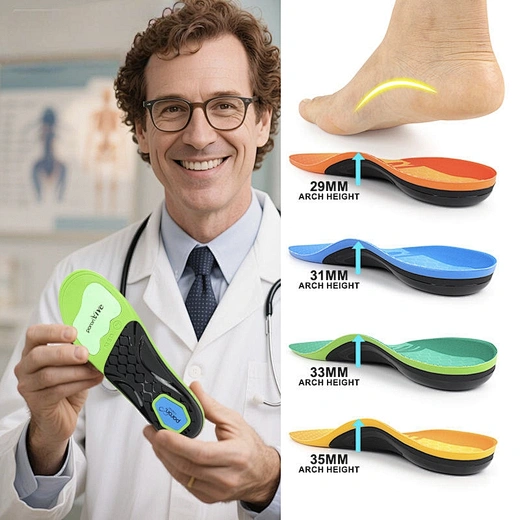
Arch Height
While flat feet have collapsed arches, the degree of collapse varies. Some may need moderate support, while others require firm, high arches to properly lift and support the foot.
Material Quality
Look for insoles made from durable, supportive materials like semi-rigid plastics for arch support and cushioning materials like EVA foam or gel for comfort.
Footwear Compatibility
Consider the types of shoes you wear most often. Some insoles are slimmer for dress shoes, while others are more substantial for athletic or work footwear.
Activity Level
Your daily activities should influence your choice. Active individuals may need more cushioning and flexibility, while those who stand for long periods might benefit from firmer support.
Break-in Period
Quality arch supports often require a break-in period. Start by wearing them for a few hours each day, gradually increasing usage to allow your feet to adjust to the new support.
Expert Insights on Flat Feet Management
"Many patients with flat feet underestimate the importance of proper arch support. The right insole can not only alleviate foot pain but also prevent secondary issues in the knees, hips, and back by improving overall alignment."
- Dr. Emily Rodriguez, DPM, Board-Certified Podiatrist
"I always recommend that my patients with flat feet look for insoles with a combination of firm arch support and responsive cushioning. The arch support maintains proper foot positioning, while the cushioning absorbs impact during weight-bearing activities."
- Mark Thompson, Certified Pedorthist
"Consistency is key when using arch supports. Wearing them sporadically won't provide the long-term benefits needed to truly change foot mechanics. For best results, wear your supports in all footwear whenever possible."
- Sarah Johnson, Physical Therapist specializing in biomechanics
Frequently Asked Questions
Can arch supports cure flat feet?
While arch supports cannot "cure" flat feet anatomy, they can effectively manage symptoms, prevent complications, and improve foot function. In some cases, especially children, certain exercises and supports may help strengthen the arch.
How long do arch support insoles typically last?
The lifespan of an arch support depends on its quality, usage, and weight. Typically, over-the-counter insoles last 6-12 months, while custom orthotics can last for several years with proper care. Replace your insole if you notice significant wear, loss of support, or recurrence of symptoms.
Can I wear arch supports if I only have one flat foot?
Yes, wearing an arch support is actually recommended to maintain correct arch alignment and prevent compensation issues. You can purchase a single insole or a pair, but wearing supportive insoles in both shoes helps maintain balance and symmetry.
Are there exercises that can help with flat feet?
Yes, certain exercises can strengthen the muscles that support the arch. These exercises include toe curls, heel raises, arch lifts, and towel rubs. However, exercises alone are usually not enough to produce significant structural changes; they are most effective when combined with appropriate arch supports.
Can children with flat feet benefit from arch supports?
Yes, but with caution. Children's feet are still developing, so it's important to consult a pediatric podiatrist. In many cases, a child's flexible flat feet correct themselves over time. If a child experiences pain or has difficulty walking, an arch support may be recommended.
Will arch supports help with back pain related to flat feet?
Many people experience improvement in back pain with the use of appropriate arch supports. Flat feet can alter your gait and posture, leading to strain on the knees, hips, and back. By correcting foot alignment, arch supports can help alleviate these secondary pains.
Conclusion
Having flat feet doesn't have to mean enduring pain and limitations. Quality arch support insoles can provide the structural support flat feet lack, significantly improving comfort, function, and overall quality of life. Whether you choose over-the-counter orthotics or custom orthotics, the key is finding the right level of support for your specific needs and wearing them consistently.
Remember that while arch supports are beneficial, they work best as part of a comprehensive foot health program, which may include appropriate footwear, strength training, and maintaining a healthy weight. If you experience severe pain or limited mobility, consult a podiatrist or foot specialist who can provide personalized advice based on your unique foot structure and lifestyle needs.
Investing in the right arch support is an investment in your mobility and long-term comfort. With the right support system, you can stay active and pain-free, even with flat feet.


Corrective Foot Insoles: The Complete Guide to Improved Foot Health and Alignment
Shoe Insert Arch Support: The Complete Guide to Healthier, Pain-Free Feet