Diabetic Foot Care: How to Choose Protective Insoles for Safety and Comfort
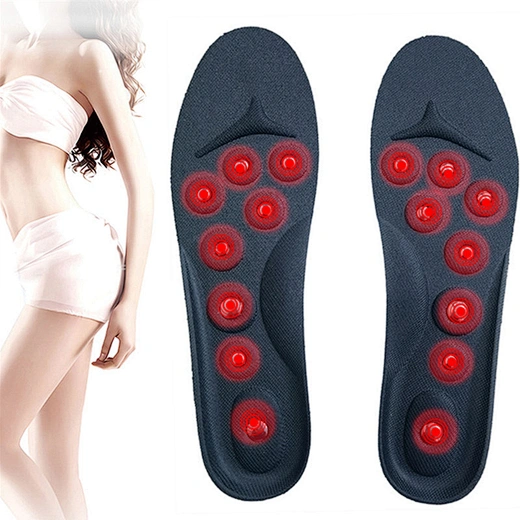
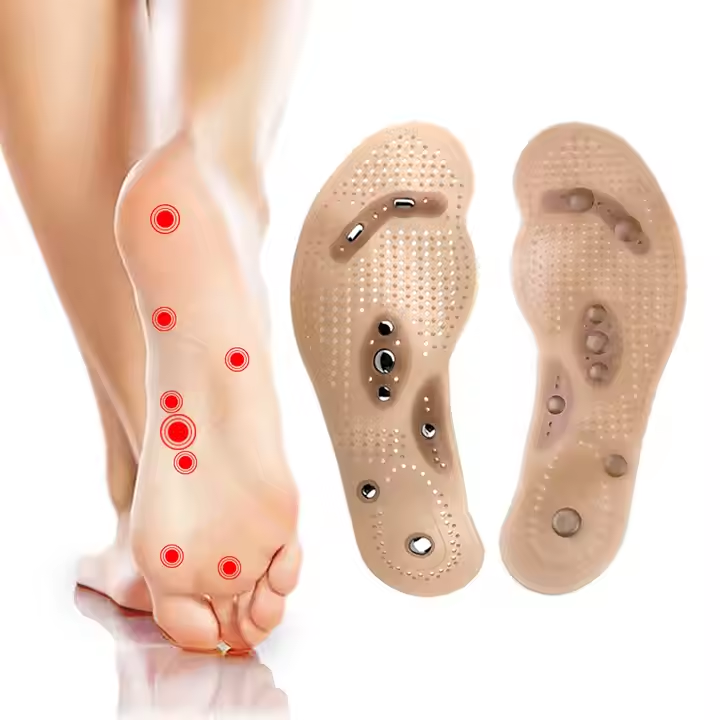
For managing feet cold diabetes, our therapeutic shoe inserts enhance circulation and provide gentle warmth. Designed with diabetic-safe materials to protect sensitive feet while improving comfort during daily wear.
Diabetic Foot Care: How to Choose Protective Insoles for Safety and Comfort
Table of Contents
Understanding Diabetic Foot Risks
Diabetes can lead to serious foot complications due to two primary factors: neuropathy (nerve damage) and poor circulation. Neuropathy reduces sensation in the feet, making it difficult to detect injuries, while poor circulation slows healing, increasing the risk of infections and ulcers. Without proper care, minor issues like blisters or calluses can escalate into severe problems, sometimes leading to hospitalization or amputation. This underscores the importance of preventive measures, including appropriate footwear and protective insoles.
Common Diabetic Foot Conditions
People with diabetes are prone to various foot conditions, including:
- Neuropathic ulcers: Painless sores that develop due to loss of sensation
- Plantar calluses: Thickened skin areas that can break down into ulcers
- Charcot foot: A progressive degeneration of foot joints and bones
- Peripheral arterial disease: Reduced blood flow to the extremities
The Critical Role of Protective Insoles
Protective insoles serve as a first line of defense for diabetic feet. They function beyond standard arch support by specifically addressing the unique needs of diabetic individuals. The primary purposes of diabetic insoles include:
Pressure Redistribution
Diabetic insoles are designed to evenly distribute pressure across the entire foot surface. This is crucial because excessive pressure on specific areas (like the heel or ball of the foot) can lead to skin breakdown and ulcer formation. Advanced insoles use pressure mapping technology to identify high-risk zones and provide targeted cushioning.
Shock Absorption
Quality diabetic insoles feature materials with superior shock-absorbing properties to reduce impact forces during walking. This protection is vital for preventing micro-injuries that individuals with neuropathy might not feel but which can develop into serious complications.
Friction Reduction
By minimizing friction between the foot and shoe, diabetic insoles help prevent blisters and skin irritations. Many feature smooth, seamless surfaces and moisture-wicking materials that keep feet dry and reduce shear forces that can damage delicate skin.
Key Features to Look for in Diabetic Insoles
When selecting insoles for diabetic foot care, certain features are non-negotiable for safety and effectiveness.
Material Composition
The best diabetic insoles utilize multi-layer construction with:
- Medical-grade foam or viscoelastic polymers that mold to foot contours
- Non-compressible materials in key support areas
- Breathable, antimicrobial layers to prevent bacterial and fungal growth
Depth and Accommodation
Diabetic insoles should provide extra depth design to accommodate foot deformities, swelling, or custom orthotics without creating pressure points. This depth also allows for protective padding without making shoes feel tight.
Seamless Construction
Look for insoles with seamless top covers to eliminate rubbing and irritation. Any stitching or edges should be smooth and unlikely to create pressure points against sensitive skin.
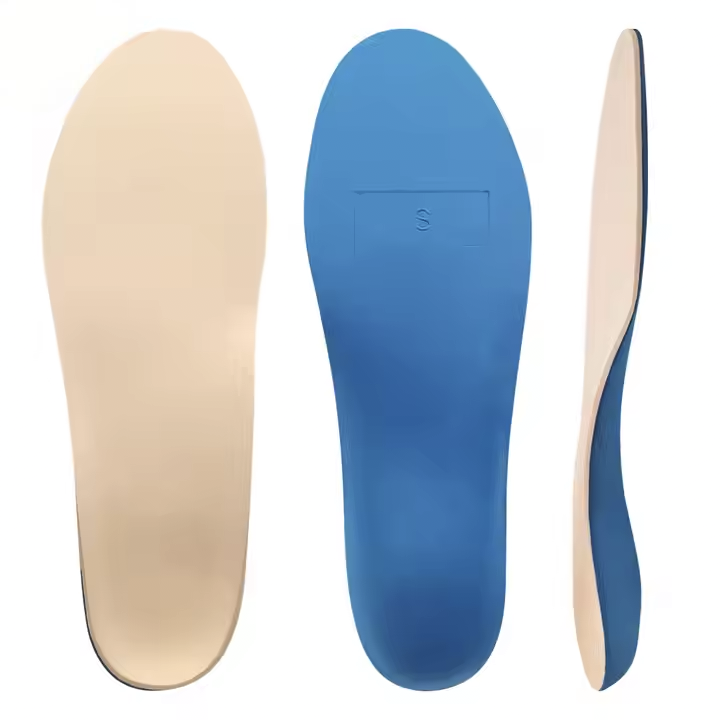
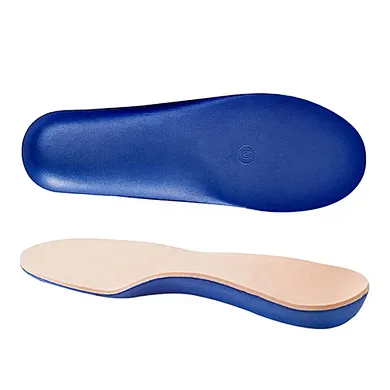
For individuals managing diabetes, every detail in daily foot care matters, as even minor pressure points or friction can lead to serious complications. That’s why selecting the right shoe insole is not just about comfort—it’s a proactive measure for long-term foot health. Our specially designed diabetic insoles combine two advanced materials, EVA (Ethylene-Vinyl Acetate) and Plastazote, to create a synergistic solution tailored for sensitive needs.
The foundation of our insole is a supportive layer of EVA foam, a lightweight yet resilient material renowned for its excellent shock absorption. This layer effectively cushions the foot from the impact of each step, reducing stress on joints and distributing weight evenly to alleviate high-pressure areas common in diabetic foot conditions. EVA provides durable structural support, helping to maintain proper foot alignment and prevent excessive wear.
Complementing this is a soft, top-layer of Plastazote, a medical-grade closed-cell foam. Plastazote is highly regarded for its superior pressure redistribution and thermal insulating properties. What makes it particularly beneficial for diabetic foot care is its ability to mold gently to the contours of the individual’s foot under body heat and weight, offering a truly personalized fit. This customization minimizes shear forces and friction—key factors in preventing blisters and ulcers. Furthermore, Plastazote’s closed-cell structure does not absorb moisture, promoting a drier environment that helps inhibit bacterial growth and keeps the skin healthier.
Together, this dual-material construction offers an ideal balance: the shock-absorbing support of EVA and the adaptive, protective cushioning of Plastazote. By reducing peak pressures, enhancing comfort, and addressing the unique vulnerabilities of diabetic feet, these insoles are an essential investment in preventative foot care. Incorporate them into your daily footwear to take a significant step toward maintaining mobility, comfort, and overall foot wellness.

Types of Diabetic Insoles
Understanding the different types of diabetic insoles will help you make an informed choice based on your specific needs.
| Type | Best For | Key Features | Considerations |
|---|---|---|---|
| Off-the-shelf Diabetic Insoles | Mild to moderate risk, preventive care | Pre-molded with cushioning, moderate arch support, often removable | Cost-effective but may not address specific deformities |
| Custom-Molded Orthotics | High risk, existing foot deformities, Charcot foot | Made from impressions of your feet, precise pressure redistribution | Requires professional fitting, higher cost, longer production time |
| Thermoformable Insoles | Those needing semi-custom fit | Heat-molded at home or clinic for personalized fit | Balance between custom and off-the-shelf options |
| Gel-Based Insoles | Extra cushioning needs, painful neuropathy | Superior shock absorption, often with cooling properties | May be heavier, can compress over time |
Step-by-Step Guide: How to Choose the Right Insoles
Step 1: Assess Your Risk Level
Consult with your healthcare provider to determine your specific risk category. Those with loss of protective sensation, foot deformities, or history of ulcers require more specialized insole solutions than those with early-stage neuropathy.
Step 2: Consider Your Foot Structure
Examine your foot shape and any existing conditions. High arches, flat feet, bunions, or hammertoes all influence which insole design will provide proper support without creating new pressure points.
Step 3: Evaluate Your Footwear
Measure the interior dimensions of your shoes. Diabetic insoles typically require extra-depth shoes to accommodate both the insole and your foot without compression. Bring your shoes when shopping for insoles or have measurements ready if purchasing online.
Step 4: Check for Certification
Look for insoles that meet medical standards or have been tested specifically for diabetic foot care. Some products carry FDA clearance as medical devices, indicating they've undergone rigorous testing for safety and effectiveness.
Step 5: Trial Period and Adjustment
Many quality insole manufacturers offer return policies or trial periods. Start by wearing new insoles for short periods (1-2 hours daily), gradually increasing usage. Monitor your feet closely for any signs of redness or irritation.
Expert Advice on Diabetic Foot Care
Dr. Sarah Chen, Podiatrist and Director of the Diabetic Foot Care Center at Metropolitan Hospital, emphasizes: "Protective insoles are not a luxury but a medical necessity for most people with diabetes. The right insole can reduce ulcer risk by up to 70% when combined with proper footwear and daily foot inspections. I always recommend multi-density insoles that provide both cushioning and structural support, as pure cushioning materials often compress too quickly under body weight."
Dr. Chen continues: "Many patients make the mistake of choosing the softest possible insole, thinking it will be most protective. In reality, you need a balance of soft materials for pressure redistribution and firmer materials for stability. Additionally, regular replacement is crucial—even the best insoles lose their protective properties after 6-12 months of daily use."
Frequently Asked Questions (FAQs)
1. How often should diabetic insoles be replaced?
Most diabetic insoles should be replaced every 6-12 months, depending on usage and material quality. Signs that replacement is needed include visible compression, loss of cushioning, or changes in foot comfort. Regular wear compromises the pressure-redistributing properties, reducing effectiveness in ulcer prevention.
2. Can I trim diabetic insoles to fit my shoes?
Only if the manufacturer explicitly states they are trimmable. Many diabetic insoles have precisely placed support zones that will be disrupted if cut. Instead, purchase the correct size or choose shoes that properly accommodate the full insole. Never trim custom orthotics without professional guidance.
3. Are custom orthotics always better than off-the-shelf diabetic insoles?
Not necessarily. While custom orthotics provide precise correction for specific deformities, many off-the-shelf diabetic insoles offer excellent protection for those without significant foot abnormalities. The decision should be based on your individual risk assessment, foot structure, and healthcare provider's recommendation.
4. Can diabetic insoles be used in all types of shoes?
Diabetic insoles work best in roomy, supportive footwear with adequate depth. They may not fit properly in narrow, fashion-focused shoes or high heels. Some manufacturers offer different insole styles for athletic shoes, dress shoes, and sandals.
5. How do I clean and maintain diabetic insoles?
Most diabetic insoles can be gently hand-washed with mild soap and lukewarm water. Allow them to air dry completely (avoid direct heat sources). For insoles with antimicrobial properties, follow the manufacturer's specific care instructions to preserve their effectiveness.
6. Do I still need to inspect my feet daily if I use protective insoles?
Absolutely. Even the best insoles cannot eliminate all risks. Daily foot inspections remain essential for early detection of problems. Combine protective insoles with proper footwear, good blood glucose control, and regular podiatric care for comprehensive diabetic foot management.
Conclusion
Choosing the right protective insoles is a critical component of diabetic foot care that can significantly reduce the risk of serious complications. By prioritizing features like pressure redistribution, shock absorption, and proper fit, individuals with diabetes can enhance both safety and comfort in their daily activities. Remember that insoles are part of a comprehensive foot care strategy that includes appropriate footwear, regular foot inspections, and professional podiatric care. Consult with your healthcare provider to determine the best insole solution for your specific needs, and never hesitate to invest in quality foot protection—it's an investment in your long-term mobility and health.
Ultimately, the goal is to maintain an active, comfortable lifestyle while minimizing foot-related risks. With the right knowledge and resources, effective diabetic foot care is an achievable part of overall diabetes management.


Magnet Therapy: Fashion or Science? Exploring the Potential Benefits of Magnetic Insoles for Circulation
Do Diabetic Feet Need Special Shoe Insoles? A Complete Guide