Magnet Therapy: Fashion or Science? Exploring the Potential Benefits of Magnetic Insoles for Circulation
Discover the best shoe inserts for comfort, designed to relieve pressure, reduce foot fatigue, and provide all-day support. Our premium cushioned insoles offer superior arch support and shock absorption for walking, work, or standing long hours.
Magnet Therapy: Fashion or Science? Exploring the Potential Benefits of Magnetic Insoles for Circulation
Table of Contents
- Introduction: The Magnetic Footwear Phenomenon
- A Brief History of Magnet Therapy
- The Science Behind Magnetic Insoles
- Magnetic Insoles and Circulation: Mechanisms of Action
- Potential Benefits and Claimed Effects
- Scientific Skepticism and Controversies
- Practical Guide: How to Use Magnetic Insoles
- Expert Opinions and Medical Perspectives
- Frequently Asked Questions (FAQ)
- Conclusion: Balancing Hope with Evidence
Introduction: The Magnetic Footwear Phenomenon
In recent years, magnetic insoles have stepped from the fringes of alternative therapy into the mainstream wellness market. Advertised as a simple solution for improved circulation, reduced foot pain, and enhanced energy, these products embed magnets into standard shoe insoles. But are magnetic insoles a genuine scientific breakthrough or merely another wellness fashion? This comprehensive exploration delves into the theory, science, and practical application of magnetic insoles, with particular focus on their claimed benefits for circulatory health.
A Brief History of Magnet Therapy
The use of magnets for healing, known as magnetotherapy, dates back thousands of years to ancient Egyptian, Greek, and Chinese civilizations. The fundamental premise is that magnetic fields can interact with the body's bioenergetic systems, influencing cellular function and blood flow. Modern magnetic insoles are a contemporary application of this ancient idea, designed to deliver a localized magnetic field to the soles of the feet—an area rich in nerve endings and acupuncture points.
The Science Behind Magnetic Insoles
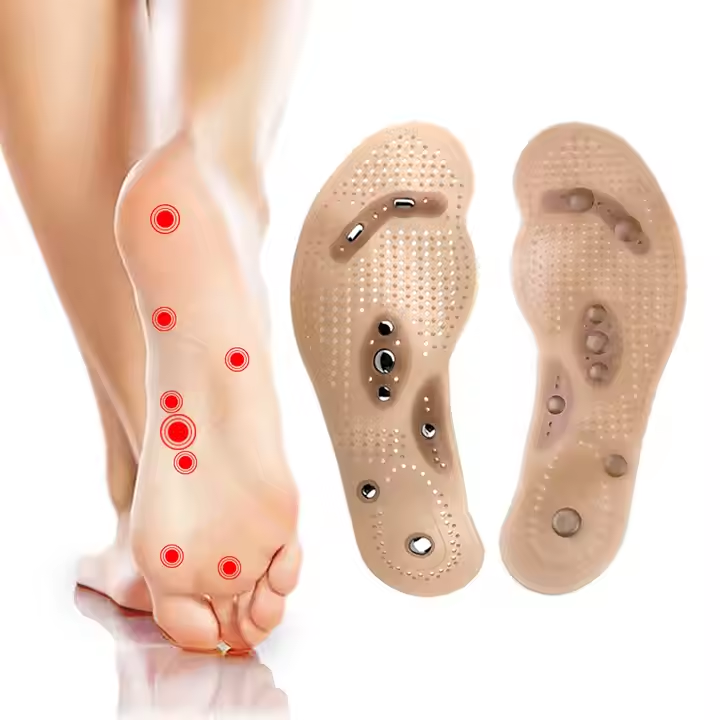
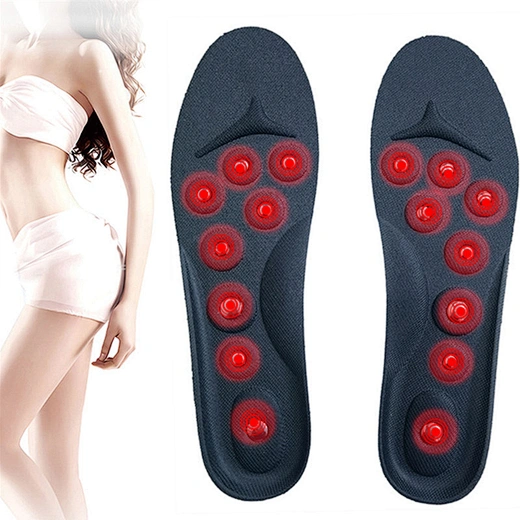
Magnetic insoles are typically constructed with flexible, supportive foam or gel embedded with multiple small, static magnets. These magnets are arranged to target specific pressure points on the foot, often with strengths ranging from 200 to 1,000 gauss (a unit of magnetic flux density). The primary scientific claim centers on biomagnetic interaction.
Theories of Biomagnetic Interaction
Proponents suggest two main mechanisms. First, the Lorentz Force Principle posits that magnetic fields can exert a subtle force on charged particles in the blood (like ions), potentially influencing blood vessel walls and improving flow. Second, the Microcirculation Hypothesis suggests that magnetic fields may cause mild vasodilation (widening of blood vessels), enhancing oxygen and nutrient delivery to tissues.
Key Components of Magnetic Insoles
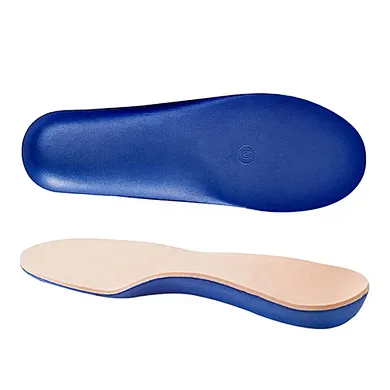
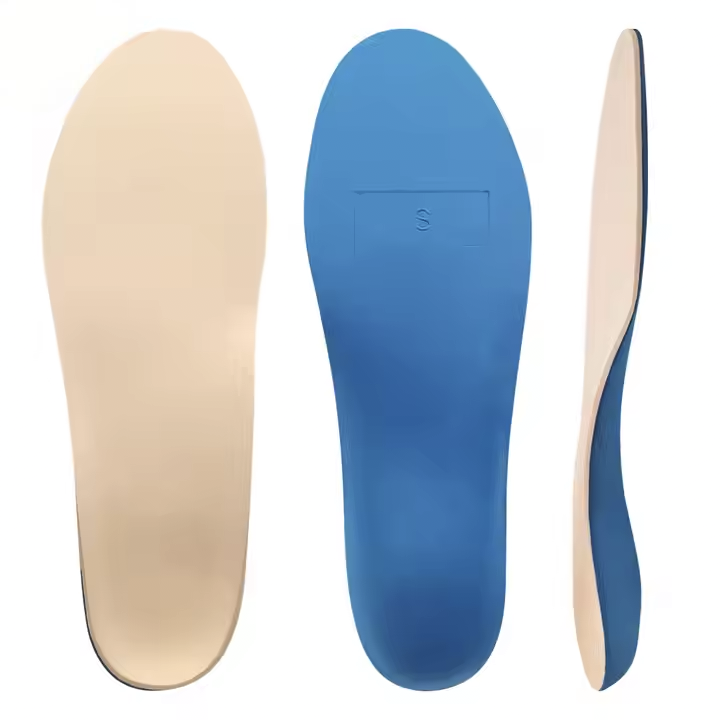
Beyond the magnets, quality magnetic insoles also provide standard orthotic benefits: arch support, shock absorption, and pressure redistribution. This dual function is crucial—even if the magnetic effects are debated, the physical support can independently improve foot comfort and circulation by promoting better posture and gait.
Magnetic Insoles and Circulation: Mechanisms of Action
The link to circulation is the most promoted benefit. Poor circulation in the feet and lower extremities can lead to cold feet, swelling, fatigue, and slower recovery from injury.
Claimed Circulatory Benefits
- Enhanced Blood Flow: Magnets are theorized to stimulate capillaries and improve venous return.
- Reduced Inflammation: By improving flow, metabolic waste removal may be more efficient, potentially reducing swelling.
- Oxygenation of Tissues: Better circulation means more oxygen delivered to muscle and nerve cells.
The Role of Insoles as a Delivery Platform
The insole format is strategic. Feet endure significant pressure, which can compress blood vessels. A well-designed insole, magnetic or not, alleviates this pressure. Adding magnets aims to provide an additional, passive therapeutic effect throughout the day simply by walking.
Walking into the comfort revolution, the magnetic shoe insoles I've recently adopted are more than just a cushion for my feet—they are a daily wellness ritual. By integrating strategically placed magnets that correspond to key reflexology points on the soles, these insoles work to gently stimulate the intricate network of blood vessels in my feet. This subtle yet consistent stimulation is believed to promote better circulation, encouraging a smoother, more efficient flow of oxygen-rich blood from my feet back to my heart. For someone who spends long hours on their feet, this has translated into a noticeable reduction in that heavy, fatigued feeling by the end of the day. It’s not just about comfort; it’s about supporting the body’s natural vitality. Improved circulation is a cornerstone of overall health, aiding in muscle recovery, regulating body temperature, and contributing to a general sense of energized well-being. These insoles have seamlessly become my foundation for moving through the day with greater ease and focus on holistic health.


Potential Benefits and Claimed Effects
User testimonials and some product literature report a range of benefits. It is critical to distinguish between evidence-supported effects and anecdotal claims.
| Claimed Benefit | Plausible Mechanism | Level of Evidence |
|---|---|---|
| Improved Foot Comfort | Orthotic support, not magnetism | Strong |
| Reduced Muscle Fatigue | Improved circulation & support | Moderate (for support) |
| Faster Recovery Post-Exercise | Enhanced waste removal via circulation | Low/Contested |
| Relief from Neuropathic Pain | Unclear; possible placebo effect | Very Low |
The placebo effect is a powerful factor in pain and wellness perception, making objective study essential.
Scientific Skepticism and Controversies
The scientific and medical communities remain largely skeptical. Major points of contention include:
Lack of Conclusive Clinical Evidence
While some small studies show subjective improvement in pain scores, systematic reviews (like those published in the British Medical Journal) often conclude that evidence for therapeutic effects beyond placebo is insufficient. The strength of magnets in insoles may be too weak to penetrate deeply into tissue to affect major blood vessels.
The Challenge of Study Design
Blinding participants in magnetic insole studies is difficult—people can often feel the physical presence of the magnets. This compromises the gold standard of double-blind, placebo-controlled trials.
Practical Guide: How to Use Magnetic Insoles
If you choose to try magnetic insoles, proper use is key to evaluating their effect and ensuring comfort.
Selection and Fitting
Choose insoles that match your shoe size and arch type. The magnets should not create pressure points. Look for products that specify gauss strength and magnet placement.
Integration into Daily Routine
Start by wearing them for a few hours daily, gradually increasing duration. Monitor for changes in foot temperature, swelling, or pain levels. Remember, they are a complement, not a replacement for medical treatment for circulatory disorders.
Expert Opinions and Medical Perspectives
Dr. Eleanor Vance, PhD in Biomedical Engineering
"The theoretical basis for static magnets influencing deep circulation is weak. The magnetic fields from insoles are extremely localized and likely too shallow to significantly alter blood flow in the arteries supplying the foot. However, the psychological benefit of taking proactive steps for one's health, combined with the mechanical support of a good insole, can produce very real feelings of improvement."
Dr. Marcus Lin, Podiatrist
"In my practice, I prioritize evidence-based orthotics. For patients fascinated by magnetic insoles, I don't dismiss them outright, but I set realistic expectations. The primary value comes from the structural support and cushioning. If a patient finds the magnetic version more motivating to wear consistently, that in itself is a therapeutic win for their foot health and potentially their circulatory habits through increased activity."
Frequently Asked Questions (FAQ)
1. Are magnetic insoles safe for everyone?
They are generally considered safe for most adults. However, individuals with pacemakers, insulin pumps, other electronic implants, or who are pregnant should avoid them due to theoretical interference risks. Always consult your doctor first.
2. How long does it take to feel results from magnetic insoles?
Proponents often suggest 1-4 weeks of consistent use. Effects like improved comfort from the orthotic support may be immediate, while any circulatory benefits would take longer, if they occur.
3. Can I wear magnetic insoles all day?
Yes, they are designed for all-day wear. Start with shorter periods to ensure they are comfortable and don't cause irritation.
4. Do the magnets weaken over time?
Permanent magnets in quality insoles retain their strength for decades under normal use. The supportive material of the insole will wear out long before the magnets degrade.
5. Should magnetic insoles replace my prescribed orthotics?
Absolutely not. If you have orthotics prescribed by a podiatrist for a specific condition, they are medically necessary tools. Discuss with your doctor before switching to or combining with magnetic insoles.
6. Is there a difference between "magnetic" and "energized" insoles?
Yes. "Magnetic" refers to static magnets. "Energized" or "pulsed electromagnetic field" (PEMF) devices are different—they generate a changing electromagnetic field and have a stronger, though still debated, scientific basis.
Conclusion: Balancing Hope with Evidence
Magnetic insoles exist at the intriguing intersection of alternative therapy, wellness fashion, and functional footwear. The current scientific evidence does not robustly support the claim that their magnetic component directly and significantly improves circulation. However, their value should not be entirely discounted. As a delivery system for orthotic support, they can genuinely enhance foot comfort and promote healthier walking patterns, which indirectly benefits overall circulatory health. The decision to use them should be made with realistic expectations: view them first as supportive insoles, with any magnetic effects as a potential, unproven bonus. For circulatory issues, proven strategies like regular exercise, a healthy diet, and proper medical care remain paramount. In the end, whether fashion or science, the most therapeutic step is an informed one.


Diabetic Foot Care: How to Choose Protective Insoles for Safety and Comfort