Do Diabetic Feet Need Special Shoe Insoles? A Complete Guide
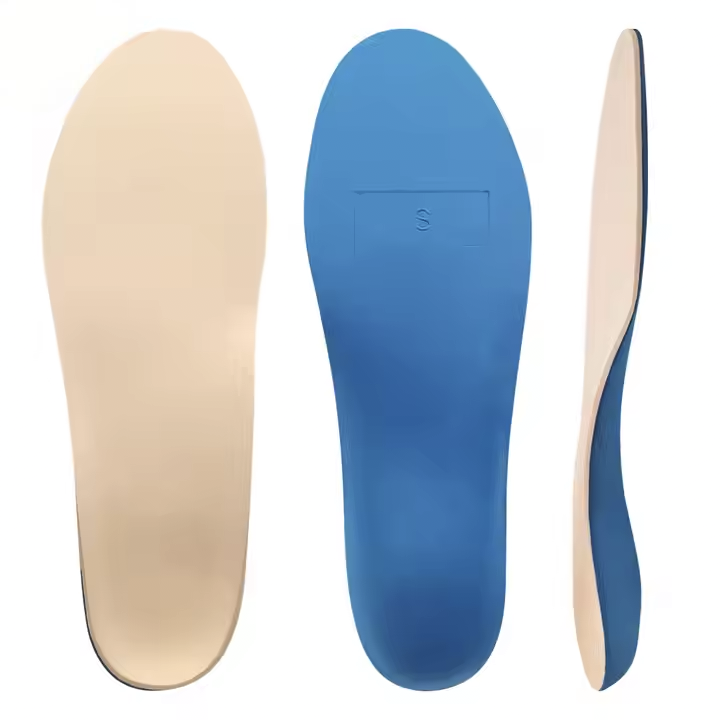
Ease diabetic foot pain with therapeutic insoles designed for sensitive feet. Our inserts provide pressure relief,reduce friction,and promote circulation. Featuring soft,seamless construction to protect against ulcers and discomfort during daily movement.
Do Diabetic Feet Need Special Shoe Insoles? A Complete Guide
Diabetes affects millions worldwide, and one of its most critical concerns is foot health. For individuals with diabetes, foot care isn't just about comfort—it's a medical necessity. This comprehensive guide explores why diabetic feet require specialized shoe insoles, what features to look for, and how the right insole can prevent serious complications.
Table of Contents
Key Takeaway: Diabetic feet absolutely require specialized shoe insoles designed to address unique risk factors including neuropathy, poor circulation, pressure redistribution, and ulcer prevention. Standard insoles may not provide the necessary protection and could potentially cause harm.
Understanding Diabetic Foot Complications
Diabetes can lead to several foot-related complications that make specialized care essential:
Neuropathy: Loss of Protective Sensation
Diabetic neuropathy is nerve damage that causes loss of sensation in the feet. This means minor injuries, blisters, or pressure points may go unnoticed, potentially developing into serious wounds or infections.
Peripheral Arterial Disease (PAD)
Diabetes often causes reduced blood flow to the extremities, slowing wound healing and increasing infection risk. Even minor foot injuries can become serious medical issues requiring intensive treatment.
Foot Deformities and Pressure Points
Diabetes can lead to structural foot changes like hammertoes, bunions, or Charcot foot, creating abnormal pressure points that are prone to ulceration without proper offloading.
Skin Changes and Dryness
Autonomic neuropathy can reduce sweat and oil production, leading to extremely dry skin that cracks and becomes vulnerable to infection.
The Critical Role of Specialized Insoles
Why Standard Insoles Aren't Enough
Regular shoe insoles focus primarily on comfort and general support, but diabetic insoles must address specific medical needs:
- Pressure redistribution to prevent ulcers at high-risk areas
- Accommodation of foot deformities without creating friction
- Materials that minimize moisture buildup and temperature extremes
- Design that complements therapeutic diabetic footwear
Preventive Benefits of Diabetic Insoles
Ulcer Prevention
The primary goal of diabetic insoles is to prevent foot ulcers by evenly distributing pressure across the entire foot surface, particularly reducing peak pressures on bony prominences.
Enhanced Stability and Balance
Neuropathy can affect proprioception (awareness of body position), increasing fall risk. Proper insoles improve stability and balance through enhanced contact with the walking surface.
Moisture and Temperature Management
Specialized materials wick moisture away from the skin and help maintain optimal foot temperature, reducing the risk of skin breakdown and infection.
Key Features of Diabetic Shoe Insoles
Pressure Redistribution Design
Diabetic insoles typically feature multi-density foams or custom-molded materials that offload high-pressure areas while providing uniform support. Many incorporate pressure mapping technology in their design process.
Accommodative vs. Functional Insoles
Accommodative insoles are soft and designed to cushion and protect the foot, while functional insoles provide more rigid support to control foot motion. Many diabetic insoles combine both approaches.
Material Considerations
Moisture-Wicking Properties
Materials like polyester foam, poron, and specialized antimicrobial fabrics help keep feet dry and reduce bacterial growth.
Shock Absorption
High-quality shock-absorbing materials reduce impact forces during walking, protecting vulnerable foot tissues.
Temperature Regulation
Some advanced materials help maintain consistent foot temperature, preventing both overheating and excessive cooling.
Custom vs. Prefabricated Insoles
While custom-molded insoles offer the most precise fit for severe deformities, many high-quality prefabricated diabetic insoles provide excellent protection for most individuals with diabetes.
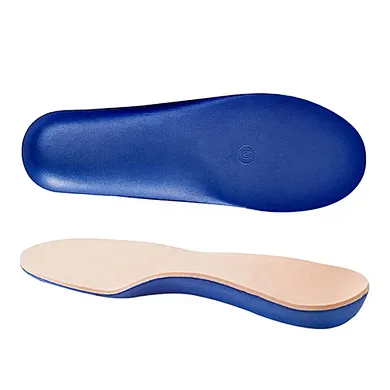
For individuals living with diabetes, foot care is not just about comfort—it’s a crucial component of overall health management. Everyday pressure and friction can lead to serious complications, making the right footwear support essential. That’s why we are proud to introduce our specially designed Diabetic Insoles, engineered with precision and care to provide unparalleled protection and comfort.
At the heart of our innovative design is a remarkable material: Plastazote. This isn't your ordinary foam. Plastazote is a medically-recognized, closed-cell polyethylene foam renowned for its exceptional properties. It is luxuriously soft and lightweight, molding gently to the unique contours of your feet to distribute weight evenly and eliminate painful pressure points. But its benefits go far beyond comfort.
Plastazote is uniquely thermo-formable, meaning it responds to your body's warmth to offer a personalized, custom-like fit that enhances stability with every step. More importantly, it provides outstanding cushioning and shock absorption, shielding sensitive feet from the impact of daily activities. Its moisture-resistant nature helps in maintaining a drier foot environment, which is vital for preventing skin maceration and infections.
Our insoles incorporate this advanced material into a thoughtful, multi-layer design. The top layer offers a soft, friction-free interface for your skin, while the resilient Plastazote core works to deflect pressure away from vulnerable areas like the balls of the feet and heels. The result is a proactive defense against calluses and ulcers, promoting better circulation and peace of mind.
We believe that proactive foot care should be seamless. Our diabetic insoles with Plastazote are designed to fit discreetly into your favorite shoes, offering daily therapeutic protection without compromising on style or convenience. Because when your feet are well-supported, you’re free to move confidently through your day.
How to Select the Right Diabetic Insoles
Consultation with Healthcare Providers
Always begin with evaluation by a podiatrist or diabetes care specialist who can assess your specific risk factors and recommend appropriate footwear and insole solutions.
Proper Fitting Considerations
Diabetic insoles must fit properly within appropriate therapeutic shoes. Key fitting principles include:
- No wrinkles or folds in the insole material
- Proper arch alignment without pressure points
- Adequate depth to accommodate the insole without compressing the foot
- Regular reassessment as foot shape changes over time
Replacement Schedule
Diabetic insoles lose their protective properties over time. Generally, they should be replaced every 6-12 months, or sooner if visible wear, compression, or deformity occurs.
Expert Insights on Diabetic Foot Care
"Diabetic foot insoles are not a luxury but a medical necessity for most individuals with diabetes. The right insole can mean the difference between maintaining mobility and developing a catastrophic foot wound that could lead to amputation. I always emphasize that insoles must be part of a comprehensive foot care regimen that includes daily inspection, proper hygiene, and appropriate footwear."
— Dr. Sarah Chen, Podiatrist and Director of the Diabetic Foot Care Center at Metropolitan Hospital
"What many people don't realize is that diabetic insoles need to be replaced regularly, just like medications need refilling. Over time, the materials compress and lose their pressure-redistributing properties, even if they don't look worn. I recommend my patients mark their calendar for insole replacement every 9 months as a general rule, with more frequent changes for active individuals."
— Michael Rodriguez, Certified Pedorthist with 15 years of diabetic footwear experience
Frequently Asked Questions (FAQs)
1. Are diabetic shoe insoles covered by insurance?
Many insurance plans, including Medicare, cover diabetic shoe insoles when prescribed by a healthcare provider for patients with qualifying diabetic foot conditions. Coverage typically requires documentation of diabetic neuropathy, previous ulcers, or other specific risk factors. Always check with your insurance provider for specific coverage details.
2. Can I trim diabetic insoles to fit my shoes?
Most diabetic insoles should not be trimmed unless specifically designed for customization. Trimming can disrupt the pressure redistribution design and create new pressure points. If insoles don't fit properly in your shoes, consult with a pedorthist or footwear specialist for alternatives.
3. How do diabetic insoles differ from orthopedic insoles?
While both provide support, diabetic insoles prioritize pressure redistribution and ulcer prevention over biomechanical correction. They typically use softer, more accommodating materials and focus on protecting vulnerable areas rather than controlling foot motion.
4. Should I wear diabetic insoles in all my shoes?
For maximum protection, diabetic insoles should be worn in all footwear you use regularly. Many people purchase multiple pairs for different shoes. The only exception might be very short-term use of footwear like slippers for brief indoor movement.
5. How do I clean diabetic shoe insoles?
Most diabetic insoles can be spot cleaned with mild soap and water, then air-dried completely before reinserting. Avoid harsh chemicals, machine washing, or direct heat sources. Check manufacturer instructions for specific care recommendations.
6. Can I use over-the-counter insoles for diabetic feet?
While some high-quality OTS insoles may provide adequate protection for low-risk individuals, those with significant neuropathy, deformity, or history of ulcers should use medically prescribed insoles specifically designed for diabetic foot care.
Conclusion
Specialized shoe insoles are not merely an accessory but a critical component of diabetic foot care. For individuals with diabetes, proper insoles serve as a preventive measure against serious complications including ulcers, infections, and potential amputations. Unlike standard insoles, diabetic-specific designs focus on pressure redistribution, accommodation of foot deformities, and moisture management to address the unique vulnerabilities of diabetic feet.
When selecting diabetic insoles, consultation with healthcare professionals is essential to match the insole features with individual risk factors. Remember that diabetic foot care is holistic—insoles work best when combined with proper therapeutic footwear, daily foot inspections, good hygiene, and regular medical checkups.
Investing in quality diabetic shoe insoles is an investment in long-term mobility and quality of life. By prioritizing proper foot protection today, individuals with diabetes can significantly reduce their risk of foot-related complications and maintain active, healthy lives for years to come.


Diabetic Foot Care: How to Choose Protective Insoles for Safety and Comfort
Can You Wear Massage Insoles Long-Term? A Podiatrist's Guide