Can You Wear Massage Insoles Long-Term? A Podiatrist's Guide

Discover the best massager for plantar fasciitis:our massage insoles.They provide targeted arch compression and deep heel kneading to relieve morning pain &tension.Designed for all-day therapeutic wear in your own shoes,promoting circulation and recovery.
Can You Wear Massage Insoles Long-Term? A Podiatrist's Guide
Table of Contents
What Are Massage Insoles?
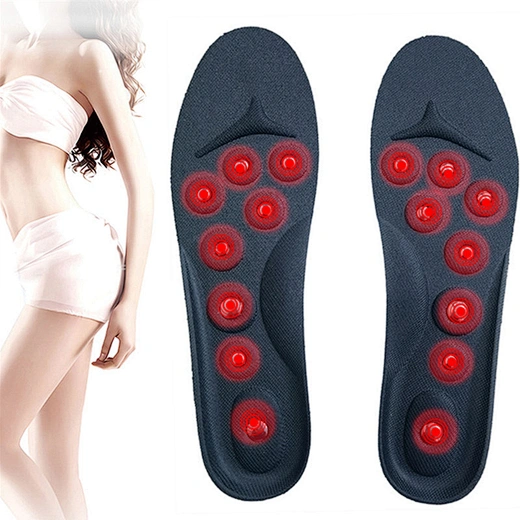
Massage insoles are specialized shoe inserts designed to provide therapeutic stimulation to the feet through various mechanisms such as acupressure points, textured surfaces, or movable elements. Unlike standard orthotic insoles that focus primarily on support and alignment, massage insoles incorporate features intended to stimulate blood circulation, relieve tension, and provide a massaging sensation with each step.
These insoles typically contain raised nodules, textured patterns, or sometimes even battery-powered vibrating elements that target specific reflexology points on the soles of the feet. The concept is rooted in the principles of reflexology, which suggests that applying pressure to specific areas on the feet can positively affect corresponding organs and body systems.
How Massage Insoles Work
Mechanisms of Action
Massage insoles employ several approaches to provide therapeutic benefits:
1. Acupressure Stimulation
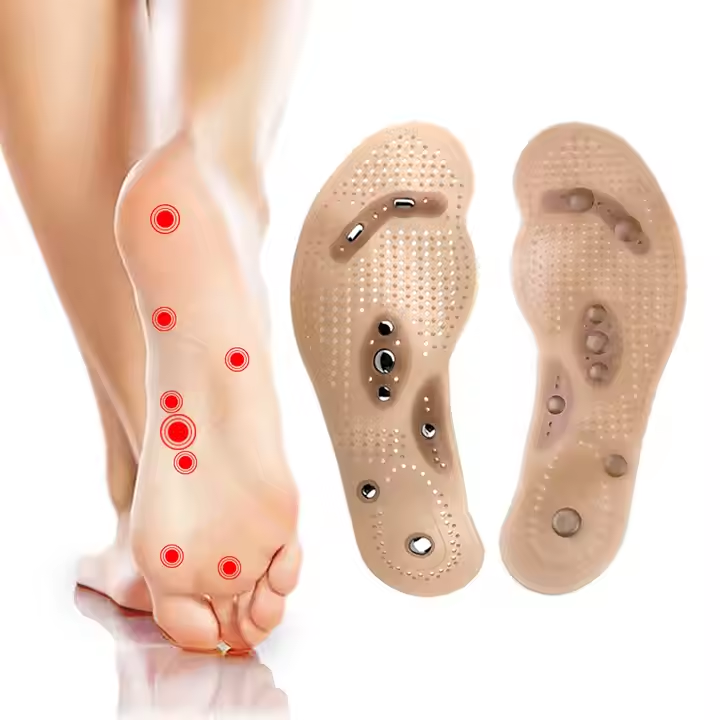
Most massage insoles feature strategically placed raised nodules that apply pressure to specific points on the foot. According to reflexology principles, these points correspond to different body areas. The constant gentle pressure as you walk is believed to stimulate these points, potentially improving energy flow and promoting relaxation throughout the body.
2. Improved Circulation
The textured surfaces of massage insoles create micro-stimulation that encourages blood flow in the feet. This can be particularly beneficial for individuals who spend long hours standing or sitting, as it helps prevent blood pooling and reduces the sensation of tired, heavy feet.
3. Muscle Activation
By providing uneven surfaces, massage insoles encourage subtle foot muscle contractions that might otherwise not occur during regular walking on flat surfaces. This can help strengthen the intrinsic foot muscles over time, potentially improving foot stability and function.
Types of Massage Insoles
There are several categories of massage insoles available:
- Textured foam insoles with raised patterns for gentle stimulation
- Gel-based insoles with movable massage elements
- Magnetic insoles that incorporate magnets at reflexology points
- Electronic vibrating insoles with battery-powered massage functions
- Combination insoles that offer both massage features and orthotic support


Short-Term Benefits of Massage Insoles
When used appropriately, massage insoles can provide several immediate benefits:
Immediate Comfort and Relaxation
The massaging sensation can help relieve foot fatigue after long periods of standing or walking. Many users report a pleasant tingling or soothing feeling that makes walking more comfortable, especially during the first few hours of wear.
Temporary Pain Relief
For some individuals, the stimulation provided by massage insoles can temporarily distract from foot discomfort or mild aches. The improved circulation may also help reduce inflammation in the short term.
Reduced Muscle Tension
The constant gentle pressure and stimulation can help relax tense foot muscles, which is particularly beneficial for people who carry stress in their feet or who have physically demanding jobs.
Long-Term Considerations and Safety
Can You Wear Them Long-Term?
The answer to whether you can wear massage insoles long-term depends on several factors including your foot type, specific needs, and the design of the insoles themselves. For most healthy individuals, occasional or intermittent use of massage insoles is generally safe. However, continuous long-term use requires more careful consideration.
Adaptation Period
If you plan to use massage insoles regularly, it's crucial to introduce them gradually. Start with just 1-2 hours per day and slowly increase wear time over 2-3 weeks. This allows your feet to adapt to the stimulation and helps you identify any adverse reactions before they become problematic.
Foot Dependency Concerns
One potential issue with long-term use of any specialized insole is that your feet may become dependent on the external support or stimulation. Over time, this could potentially weaken the intrinsic foot muscles that would normally provide their own support and stimulation during walking.
Pressure Point Desensitization
There's a theoretical concern that constant pressure on specific points might lead to desensitization or even callus formation at those sites. While research is limited in this area, podiatrists often recommend varying footwear and insole types to prevent overstimulation of any particular foot area.
Podiatrist Recommendations for Long-Term Use
1. Combine with Proper Footwear
Massage insoles should be used in well-fitting, supportive shoes. Avoid using them in shoes that are already too tight, as the additional volume of the insoles plus the stimulation could create pressure points or friction areas.
2. Listen to Your Feet
Pay attention to how your feet feel during and after wearing massage insoles. Temporary mild tingling might be normal, but pain, numbness, or increased discomfort are signals to remove the insoles and consult a professional.
3. Rotate with Other Insoles
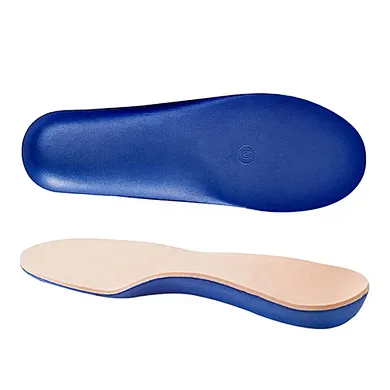
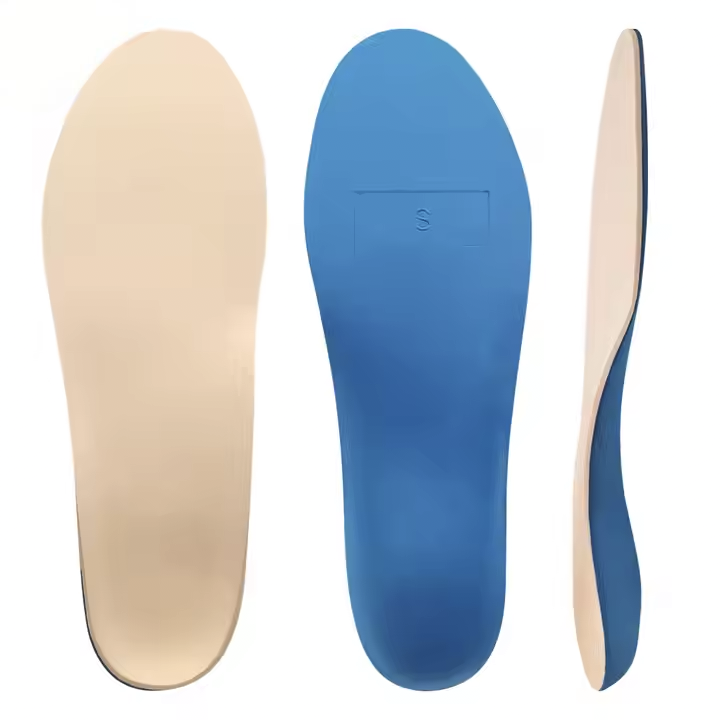
For long-term foot health, consider rotating between massage insoles and supportive orthotic insoles. This approach provides both stimulation and structural support while preventing potential overreliance on either type.
4. Regular Breaks Are Essential
Even if you enjoy wearing massage insoles daily, take occasional breaks—perhaps on weekends or during less active days. This allows your feet to experience natural stimulation and helps maintain their intrinsic strength.
5. Professional Assessment
Before committing to long-term use of any specialized insole, consider getting a professional foot assessment. A podiatrist can evaluate your gait, foot structure, and specific needs to determine whether massage insoles are appropriate for your situation or if another solution would be more beneficial.
Potential Risks and When to Avoid Them
Contraindications for Massage Insole Use
While massage insoles are generally safe for most people, they may not be appropriate for individuals with certain conditions:
Diabetes and Neuropathy
People with diabetes, especially those with peripheral neuropathy (reduced sensation in the feet), should avoid massage insoles without medical supervision. The reduced sensation means they might not feel when the insoles are causing excessive pressure or friction that could lead to skin breakdown or ulcers.
Circulatory Disorders
Individuals with severe circulatory problems should consult their doctor before using massage insoles, as the pressure points could potentially interfere with already compromised blood flow.
Foot Deformities or Recent Surgery
Those with significant foot deformities (like severe bunions or hammertoes) or recent foot surgery should avoid massage insoles unless specifically recommended by their treating physician or podiatrist.
Signs You Should Discontinue Use
If you experience any of the following, stop using massage insoles and consult a healthcare professional:
- Increased pain rather than relief
- Numbness or tingling that persists after removing the insoles
- Skin irritation, blisters, or redness at pressure points
- Swelling that wasn't present before using the insoles
- Changes in your gait or balance when wearing the insoles
Frequently Asked Questions (FAQs)
1. How long should I wear massage insoles each day when starting out?
When first using massage insoles, limit wear to 1-2 hours per day for the first week. Gradually increase by an hour each week until you reach your desired daily wear time. This gradual introduction allows your feet to adapt to the stimulation.
2. Can massage insoles cure foot problems like plantar fasciitis?
Massage insoles may provide temporary symptom relief for conditions like plantar fasciitis, but they are not a cure. These conditions typically require a comprehensive treatment approach including proper footwear, stretching, strengthening exercises, and sometimes custom orthotics. Consult a podiatrist for a proper treatment plan.
3. Are expensive massage insoles better than affordable ones?
Price doesn't always correlate with effectiveness for massage insoles. More expensive models might offer better materials or additional features, but what matters most is how the insoles feel on your feet and whether they address your specific needs. Look for insoles with a return policy so you can test them properly.
4. Can I wear massage insoles while exercising or running?
It depends on the specific insole design and your activity. Some massage insoles are too bulky or unstable for high-impact activities. If you want to use them during exercise, look for models specifically designed for athletic use and ensure they don't compromise the fit or stability of your athletic shoes.
5. How often should I replace my massage insoles?
Most massage insoles should be replaced every 6-12 months with regular use. Signs that you need new insoles include flattened massage nodules, visible wear patterns, reduced cushioning, or odors that persist despite cleaning. Higher quality insoles may last longer than cheaper alternatives.
6. Can children or teenagers use massage insoles?
Generally, massage insoles are not recommended for children whose feet are still developing, unless specifically prescribed by a healthcare professional. For teenagers, occasional use may be acceptable, but regular use should be approached with caution and preferably under professional guidance.
Conclusion
Massage insoles can be a valuable addition to your foot care routine when used appropriately. For short-term relief of foot fatigue and mild discomfort, they offer a convenient and non-invasive option. However, long-term use requires careful consideration of your individual foot health needs and potential risks.
The key takeaways for long-term use of massage insoles are:
- Introduce them gradually and pay attention to how your feet respond
- Rotate with supportive orthotics to ensure your feet receive both stimulation and structural support
- Take regular breaks from wearing them to maintain natural foot strength
- Consult a podiatrist if you have pre-existing foot conditions or concerns
- Never ignore pain or discomfort that develops while using massage insoles
While massage insoles can provide pleasant stimulation and temporary relief, they should not replace professional medical treatment for foot conditions. For chronic foot pain or structural issues, a comprehensive evaluation by a foot specialist is essential to develop an appropriate treatment plan that may include customized orthotics, physical therapy, or other interventions.
Ultimately, the decision to wear massage insoles long-term should be based on your individual response, foot health status, and professional advice. When used wisely as part of a broader foot care strategy, they can contribute to overall foot comfort and wellbeing.


Do Diabetic Feet Need Special Shoe Insoles? A Complete Guide
From Pain Relief to Improved Energy: A Comprehensive Guide to Magnetic Insole Benefits