Fallen Arches Insoles: Restoring Comfort and Function to Your Feet
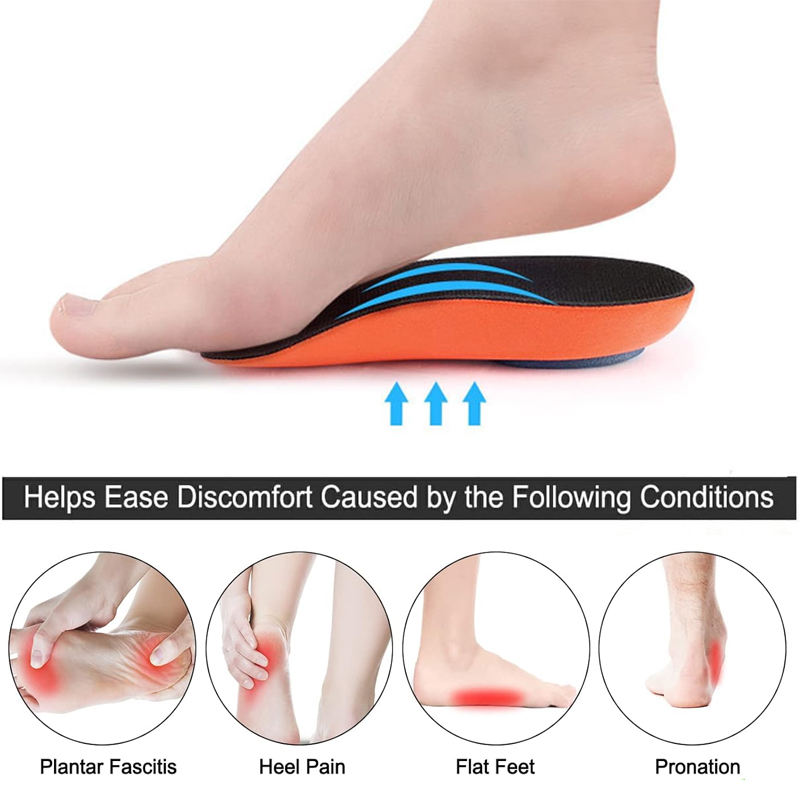
Address discomfort from fallen arches with supportive insoles designed to provide structured arch support and improve foot alignment. These orthotics help distribute pressure evenly, reduce fatigue, and enhance stability for walking, standing, or light activity.
Fallen Arches Insoles: Restoring Comfort and Function to Your Feet
Table of Contents
- Understanding Fallen Arches
- Symptoms and Complications of Fallen Arches
- How Insoles Help Fallen Arches
- Choosing the Right Insoles for Fallen Arches
- Types of Fallen Arches Insoles
- Expert Recommendations and Insights
- Choosing the Right Insole for You
- Frequently Asked Questions
- Conclusion
Understanding Fallen Arches
Fallen arches, medically known as posterior tibial tendon dysfunction (PTTD), is a condition where the arch of the foot collapses, causing the entire sole to come into complete or near-complete contact with the ground. This condition can develop in one or both feet and may occur gradually over time or appear suddenly after an injury.
The arch of the foot is supported by tendons and ligaments that work together to form a supportive structure. When these tendons become weakened or damaged, the arch can gradually collapse. This condition affects approximately 5-10% of the population and becomes more common with age.
Common Causes of Fallen Arches
- Aging and natural wear and tear on tendons
- Obesity placing excessive stress on foot structures
- Diabetes affecting nerve function and tissue health
- Hypertension impacting blood flow to extremities
- Rheumatoid arthritis causing inflammation in joints
- Physical trauma or injury to the foot or ankle
- Pregnancy due to hormonal changes and weight gain
- Overuse from standing or walking for extended periods
Symptoms and Complications of Fallen Arches
Recognizing the symptoms of fallen arches is crucial for early intervention and effective management. The condition typically progresses through four stages, each with increasing severity of symptoms.
Early Stage Symptoms
- Pain along the inside of the foot and ankle
- Swelling along the tendon course
- Difficulty standing on toes
- Flattening of the arch when standing
Advanced Stage Symptoms
- Pain transferring to the outside of the ankle
- Noticeable change in foot shape
- Arthritic changes in foot joints
- Difficulty walking or standing for extended periods
Potential Complications
- Plantar fasciitis - inflammation of the bottom tissue
- Achilles tendinitis - heel cord inflammation
- Shin splints - pain along the shin bone
- Bunions and hammertoes from structural changes
- Knee, hip, and back pain due to altered gait
How Insoles Help Fallen Arches
Specialized fallen arches insoles, also known as orthotic inserts, provide crucial support that addresses the biomechanical deficiencies caused by collapsed arches. These devices work by redistributing pressure and providing external support where the foot's natural structures have weakened.
Biomechanical Support Mechanisms
- Arch support - Lifts and supports the collapsed arch
- Heel stabilization - Controls excessive motion
- Pressure redistribution - Evenly distributes weight across the foot
- Shock absorption - Reduces impact forces during walking
Clinical Benefits of Proper Insole Use
- Reduces pain in feet, ankles, knees, and back
- Improves walking efficiency and gait pattern
- Prevents further deterioration of foot structure
- Enhances overall comfort during daily activities
- Reduces fatigue during prolonged standing or walking
Choosing the Right Insoles for Fallen Arches
Selecting appropriate insoles for fallen arches requires careful consideration of several factors to ensure optimal support and comfort. The right choice depends on the severity of your condition, your activity level, and specific foot characteristics.
Key Selection Criteria
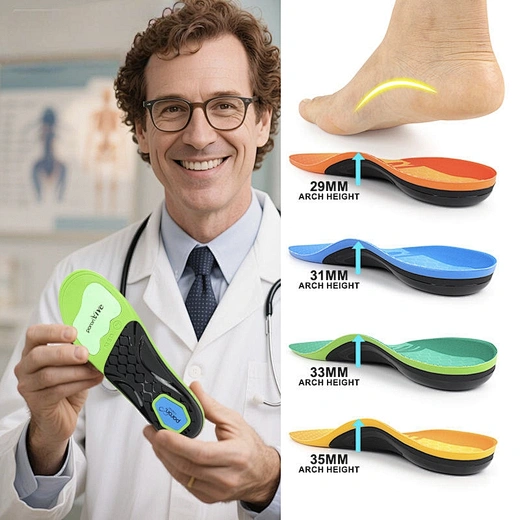
- Arch height - Must match your specific degree of collapse
- Material composition - Determines support and comfort level
- Footwear compatibility - Must fit properly in your shoes
- Activity specificity - Designed for your primary activities
Professional Assessment Recommendations
Before selecting insoles, consider obtaining a professional gait analysis and foot assessment. Many podiatrists and orthopedic specialists offer this service, which can provide valuable insights into your specific biomechanical needs.
Types of Fallen Arches Insoles
Various types of insoles are available for managing fallen arches, each offering different levels of support and customization. Understanding these options will help you make an informed decision about which type best addresses your needs.
Over-the-Counter (OTC) Insoles
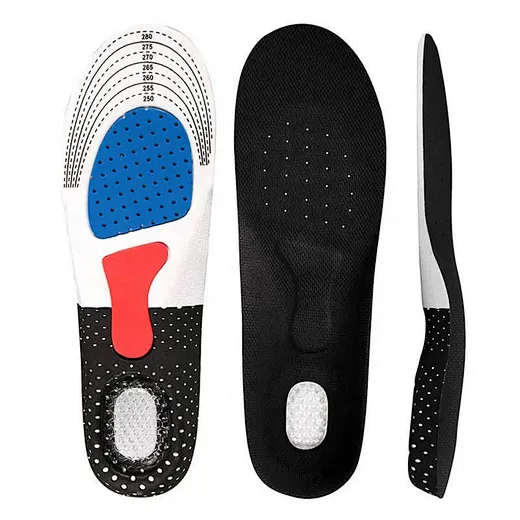
These prefabricated insoles are readily available at pharmacies, sporting goods stores, and online retailers. They offer a cost-effective solution for mild to moderate cases of fallen arches.
Benefits of OTC Insoles
- Immediately available without waiting period
- Significantly more affordable than custom options
- Suitable for mild to moderate arch support needs
- Can be easily replaced as needed
Heat-Moldable Insoles
These semi-custom insoles offer a middle ground between prefabricated and fully custom orthotics. They can be heated and molded to better match your foot contour.
Advantages of Heat-Moldable Options
- Better fit than standard OTC insoles
- More affordable than fully custom orthotics
- Can be remolded if needed
- Available without professional consultation
Custom Orthotics
Prescription orthotics are custom-made devices created from precise impressions or digital scans of your feet. These are typically recommended for severe cases or when OTC options prove insufficient.
When to Consider Custom Orthotics
- Severe pain or deformity
- Significant biomechanical abnormalities
- Failed response to OTC options
- Specific medical conditions (diabetes, rheumatoid arthritis)
Expert Recommendations and Insights
We consulted with several podiatrists and orthopedic specialists to gather professional insights on managing fallen arches with insoles.
Dr. Emily Rodriguez, DPM - Podiatric Surgeon
"Patients with fallen arches often underestimate the importance of progressive adaptation when beginning to use orthotic insoles. I recommend starting with just 2-3 hours of wear per day and gradually increasing usage over 2-3 weeks. This allows the feet and supporting structures to adjust to the new alignment without causing additional strain or discomfort."
Dr. Michael Chen - Orthopedic Specialist
"The material composition of insoles is crucial for fallen arches. While soft, cushiony materials might feel comfortable initially, they often lack the necessary support for structural correction. I typically recommend semi-rigid materials that provide a balance of comfort and support, particularly those with reinforced arch areas and deep heel cups for stability."
Sarah Johnson, PT - Physical Therapist
Choosing the Right Insole for You
Selecting the best insole involves considering your lifestyle and the type of footwear you use.
For Athletic Shoes
Choose insoles designed for sports and running. These are often made from lighter, moisture-wicking materials and may have extra forefoot flexibility.
For Dress Shoes or Work Boots
Look for low-volume insoles that provide strong support without taking up too much space. For boots, consider insoles with enhanced cushioning for all-day comfort.
Break-in Period
Remember that your feet may need time to adjust to the new support. Start by wearing the insoles for a few hours each day, gradually increasing the duration to allow your muscles and tendons to adapt.
Frequently Asked Questions
How long does it take to see improvement with fallen arches insoles?
Most people experience some relief immediately, but significant improvement typically occurs within 2-4 weeks of consistent use. For structural changes and long-term benefits, it may take 3-6 months of regular wear combined with appropriate exercises.
Can insoles completely cure fallen arches?
While insoles cannot reverse the structural changes of fallen arches, they can effectively manage symptoms, prevent further deterioration, and improve function. In some cases, especially when combined with physical therapy, significant functional improvement is possible.
Are custom orthotics worth the extra cost for fallen arches?
For severe cases or when over-the-counter options have failed, custom orthotics are often worth the investment. They provide precise support tailored to your specific foot structure and biomechanical needs, which can lead to better outcomes and potentially prevent the need for more invasive treatments.
Can I wear the same insoles in different shoes?
While it's possible to transfer insoles between similar types of shoes, optimal performance requires that insoles remain in the shoes they were fitted for. Different shoes have varying volumes and shapes, which can affect how the insole functions. For best results, consider having specific insoles for different types of footwear.
Should I wear insoles with fallen arches if I don't have pain?
Yes, even without pain, insoles can provide preventive benefits by supporting proper alignment and reducing strain on other joints. This can help prevent future problems in knees, hips, and back that may develop due to altered gait patterns from fallen arches.
Can children use insoles for fallen arches?
Children with symptomatic fallen arches can benefit from insoles, but professional evaluation is crucial. Many children have flexible flat feet that resolve naturally, so intervention is only recommended when there are symptoms or functional limitations.
Conclusion
Fallen arches insoles represent a crucial component in managing the symptoms and functional limitations associated with this common condition. By providing external support, improving alignment, and redistributing pressure, these devices can significantly reduce pain and enhance mobility.
The key to successful management lies in selecting the appropriate type of insole for your specific needs, using them consistently, and combining them with targeted exercises when recommended by a healthcare professional. While insoles may not reverse the structural changes of fallen arches, they can dramatically improve quality of life and prevent further complications.
Remember that fallen arches management is most effective when approached comprehensively. Along with proper insoles, consider appropriate footwear, maintaining a healthy weight, and performing recommended exercises to achieve the best possible outcomes for your foot health.


Do Insoles Help Plantar Fasciitis? A Comprehensive Guide to Pain Relief
Orthotics Inserts for Fallen Arches: Restoring Comfort and Function