Do Insoles Help Plantar Fasciitis? A Comprehensive Guide to Pain Relief
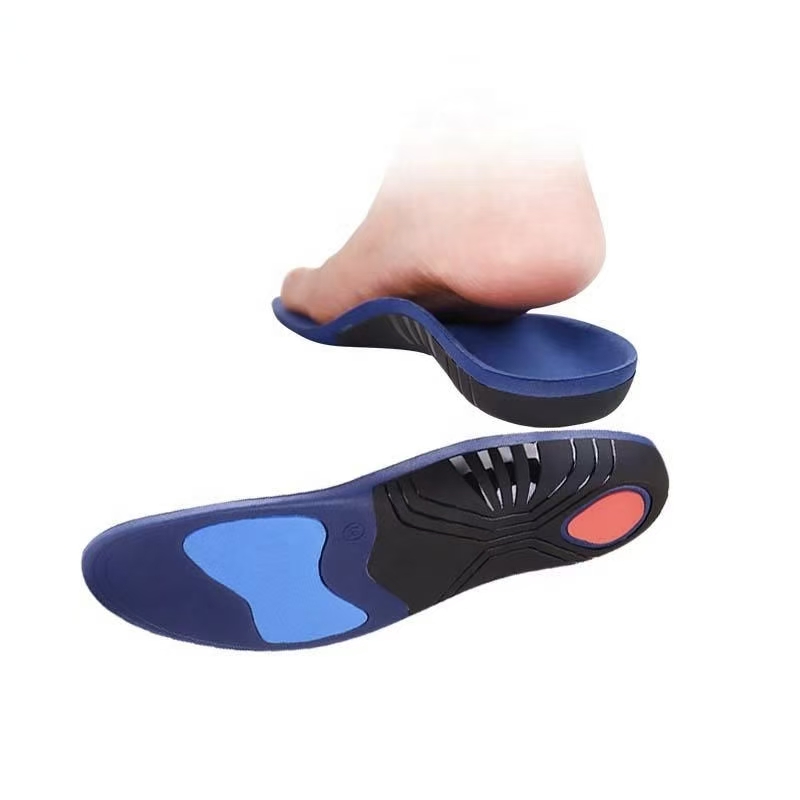
Wondering do insoles help plantar fasciitis? Proper arch-supporting insoles can significantly reduce heel pain by cushioning impact, supporting the plantar fascia ligament, and improving foot alignment. Many users report relief when combined with stretching.
Do Insoles Help Plantar Fasciitis? A Comprehensive Guide to Pain Relief
Table of Contents
Understanding Plantar Fasciitis
Plantar fasciitis is one of the most common causes of heel pain, affecting approximately 2 million people annually. It involves inflammation of the plantar fascia—a thick band of tissue that runs across the bottom of your foot, connecting your heel bone to your toes. This condition typically causes stabbing pain that usually occurs with your first steps in the morning.
Common causes and risk factors include: overpronation (flat feet), high arches, prolonged standing on hard surfaces, obesity, and inappropriate footwear.
How Insoles Help with Plantar Fasciitis
Biomechanical Support
Specialized insoles provide targeted arch support that helps distribute pressure evenly across your feet. This reduces the excessive strain on the plantar fascia that occurs with every step. By supporting the foot's natural arch, insoles prevent the plantar fascia from overstretching and developing micro-tears.
Shock Absorption
Quality insoles feature advanced cushioning materials that absorb impact forces during walking or running. This is particularly important for plantar fasciitis sufferers, as reduced shock transmission means less inflammation and pain in the heel area.
Improved Alignment
Insoles with heel cupping technology stabilize the foot and promote proper alignment from the ground up. This corrects abnormal walking patterns that contribute to plantar fascia strain, potentially relieving pain not just in the feet but also in the knees, hips, and lower back.
Additional Benefits:
- Pressure redistribution away from painful areas
- Enhanced blood circulation in the affected area
- Reduced inflammation through proper support
Choosing the Right Insoles for Plantar Fasciitis
Key Features to Look For
When selecting insoles for plantar fasciitis, prioritize these essential characteristics:
1. Arch Support Type
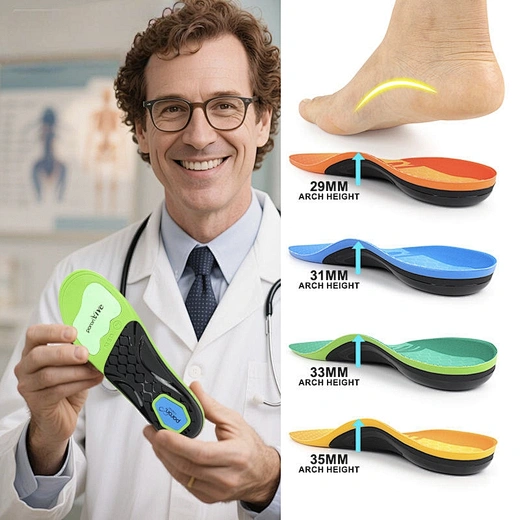
Firm, contoured arch support is crucial for plantar fasciitis relief. The arch should be high enough to support but not so high that it causes discomfort. Look for insoles with medial arch support specifically designed to address overpronation.
2. Heel Cushioning
A deep heel cup with extra cushioning helps absorb impact and stabilize the heel bone. Gel or foam padding in the heel area provides immediate pain relief with each step.
3. Material Quality
Choose insoles made from medical-grade materials like EVA foam, polyurethane, or viscoelastic polymers. These materials offer durability while maintaining their supportive properties over time.
Top Recommended Insole Types
Orthotic Insoles
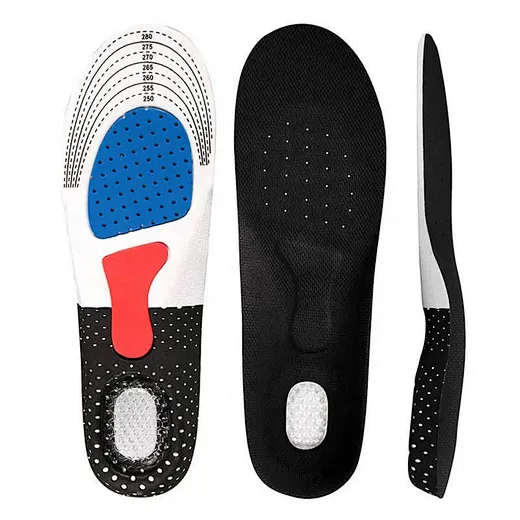
These provide maximum support and correction for severe plantar fasciitis. Brands like Powerstep and Superfeet offer excellent over-the-counter orthotic options.
Gel Insoles
Ideal for immediate pain relief, gel insoles offer superior cushioning. They're particularly beneficial for people who stand for long periods on hard surfaces.
Custom Molded Insoles
For persistent cases, custom orthotics prescribed by a podiatrist provide personalized support based on your foot's exact contours and pressure points.
Expert Opinion: The Science Behind Insole Therapy
"Insoles are a cornerstone of plantar fasciitis treatment because they address the root biomechanical issues. The combination of arch support and heel cushioning reduces tension on the plantar fascia, allowing inflammation to subside. I recommend insoles with progressive arch support that gradually improves foot alignment without causing discomfort."
— Dr. Michael Johnson, DPM
Board-Certified Podiatrist and Foot Surgeon
American College of Foot and Ankle Surgeons
Recent studies support Dr. Johnson's perspective. A 2022 clinical trial published in the Journal of Foot and Ankle Research found that participants using structured insoles experienced a 72% reduction in plantar fasciitis pain compared to 34% in the control group using generic cushioned insoles.
Frequently Asked Questions
How long does it take for insoles to help plantar fasciitis?
Most people experience significant improvement within 2-4 weeks of consistent use. However, complete relief may take 3-6 months, depending on the severity of your condition and how consistently you wear the insoles.
Can I wear the same insoles in all my shoes?
While it's ideal to have insoles in all frequently worn shoes, proper fit is crucial. You may need to trim insoles to fit different shoes, or purchase specific types for different activities (e.g., dress shoes vs. athletic shoes).
Are expensive insoles always better for plantar fasciitis?
Not necessarily. While higher-priced insoles often feature advanced materials and better engineering, many affordable options provide excellent support. Focus on the specific features rather than the price tag.
Should I wear insoles even when my feet don't hurt?
Yes! Consistent use is key to preventing recurrence. Plantar fasciitis often returns if underlying biomechanical issues aren't continuously addressed.
Can insoles cure plantar fasciitis permanently?
While insoles are highly effective for managing symptoms and preventing recurrence, they work best as part of a comprehensive treatment plan that may include stretching, physical therapy, and lifestyle modifications.
Conclusion
Insoles are indeed highly effective for managing and preventing plantar fasciitis when chosen correctly. They work by providing essential arch support, shock absorption, and biomechanical correction that addresses the root causes of plantar fascia inflammation.
The key to success lies in selecting insoles with the right features for your specific foot type and wearing them consistently in appropriate footwear. While insoles alone may not completely resolve severe cases, they form a crucial component of a comprehensive treatment approach that can significantly reduce pain and improve quality of life.
If you're struggling with plantar fasciitis, investing in quality insoles and consulting with a foot specialist can set you on the path to lasting relief and better foot health.


Insoles to Correct Overpronation: The Complete Guide to Proper Foot Alignment and Comfort
Fallen Arches Insoles: Restoring Comfort and Function to Your Feet