The Best Insoles for Cycling: Support and Comfort on Every Ride

Discover cycling shoe insoles engineered to enhance power transfer and reduce foot fatigue. These specialized inserts provide targeted arch support, improve pedal efficiency, and offer optimal cushioning for long rides on road, gravel, or indoor bikes.
The Best Insoles for Cycling: Support and Comfort on Every Ride
Table of Contents
- Introduction: The Unsung Hero of Cycling Comfort
- The Critical Role of Cycling Insoles
- Key Features to Look for in Cycling Insoles
- Top Types of Cycling Insoles Reviewed
- Expert Roundtable: Insights from Bike Fitters and Podiatrists
- How to Select Your Perfect Cycling Insole: A Step-by-Step Guide
- Installation and Care for Long-Lasting Performance
- Frequently Asked Questions (FAQs)
- Conclusion: Pedal in Comfort, Ride with Confidence
Introduction: The Unsung Hero of Cycling Comfort
While cyclists meticulously select their frames, wheels, and groupsets, one component often remains overlooked: the insole. Nestled inside your cycling shoes, a high-performance insole is the crucial interface between your foot and the pedal. It transcends mere cushioning, actively influencing power transfer, injury prevention, and overall ride enjoyment. This comprehensive guide explores the world of cycling insoles, empowering you to make an informed choice that supports every kilometer of your journey.
The Critical Role of Cycling Insoles
Cycling insoles, or footbeds, serve multiple biomechanical purposes far beyond the stock inserts provided with most shoes.
Optimizing Power Transfer and Efficiency
A well-designed insole stabilizes the foot, preventing energy-wasting movement inside the shoe. By providing a solid, evenly supported platform, it ensures that more of your leg drive is translated directly into forward motion at the pedal.
Preventing Injuries and Alleviating Pain
Cycling involves sustained, repetitive force application. Poor foot support can lead to common issues like plantar fasciitis, hot spots, metatarsalgia (ball of foot pain), and knee tracking problems. Quality insoles address these by distributing pressure evenly and maintaining proper skeletal alignment from the foot upwards.
Enhancing Long-Distance Comfort
On epic rides, comfort is king. Insoles with strategic zoning provide cushioning where needed (like the heel and metatarsals) while maintaining rigidity for support, combating fatigue and numbness over many hours in the saddle.
Key Features to Look for in Cycling Insoles
Not all insoles are created equal. Here are the essential characteristics of top-tier cycling-specific footbeds.
Arch Support: The Foundation
The arch support is the cornerstone of any performance insole. It should match your foot's natural arch height (low, medium, or high) to cradle the foot properly. This support reduces strain on the plantar fascia and stabilizes the heel.
Metatarsal Support and Drop
Many premium insoles feature a subtle pad or rise just behind the ball of the foot. This metatarsal button helps splay the toes slightly, reducing pressure on the nerves and preventing numbness.
Material Composition and Layering
Look for a multi-layer construction. A firm base (often carbon fiber or stiff plastic) provides structure, while a top layer of moisture-wicking foam or gel offers comfort and keeps feet dry. The material must also be heat-moldable for a custom fit.
Heel Cup Depth and Design
A deep, sculpted heel cup cradles the calcaneus (heel bone), preventing lateral movement and ensuring efficient power transfer from the moment you start your pedal stroke.
Top Types of Cycling Insoles Reviewed
1. Heat-Moldable Custom Performance Insoles
These represent the pinnacle of insole technology. Brands like G8 Performance, Superfeet Carbon, and Bontrager Elite offer insoles that can be heated and formed to the exact contours of your foot in your specific shoe. This provides a truly personalized fit, maximizing support and efficiency for serious cyclists and racers.
Best For: Competitive cyclists, those with specific biomechanical issues, and riders seeking the absolute best fit.
2. Structured Orthotic Insoles
These come in various arch heights and offer excellent support right out of the box. Brands like Currex and Sidas use extensive biomechanical data to create models for different foot types and sports. They often feature a dynamic arch that engages during the pedal stroke.
Best For: Enthusiasts and fitness riders looking for a significant upgrade over stock insoles without the need for heat molding.
3. Cushion-Focused Comfort Insoles
Utilizing advanced gels and foams, such as SPECIALIZED Body Geometry or Giro Ventilation insoles, these prioritize pressure distribution and moisture management. They often feature specific channels or pads designed to reduce hot spots and improve blood flow.
Best For: Endurance riders, gravel cyclists, and anyone prone to foot numbness or discomfort on long rides.
4. Weight-Weenie & Minimalist Insoles
For those counting grams, insoles like the G8 Performance 2620 series offer exceptional support with minimal weight. They focus on essential structural support with ultra-light materials.
Best For: Road racers and weight-conscious cyclists who cannot compromise on support.
If you're looking to enhance comfort, performance, and injury prevention on the bike, the right insole can make a surprising difference. Here’s a breakdown of four specialized cycling shoe inserts, each engineered with distinct materials and benefits to suit different rider needs.
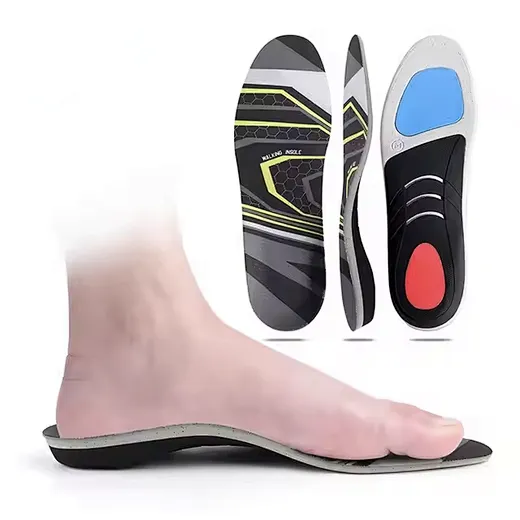
1. The Custom Contour: Heat-Moldable Orthotic Insole
Crafted from a combination of EVA and thermoplastic polymers, this insole is a game-changer for personalized fit. The key feature is its heat-moldable design. By applying heat, you can customize the arch shape and heel cup to match the exact contours of your feet, providing precise orthopedic correction. This is ideal for cyclists dealing with overpronation, supination, or those who require specific anatomical alignment for long-distance comfort and efficient power transfer.
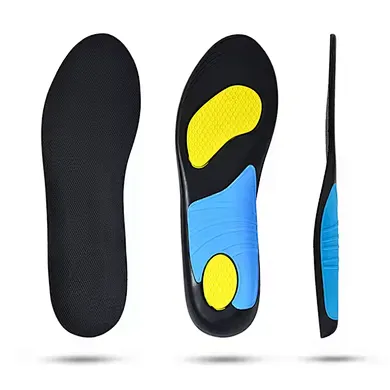
2. The Balanced Performer: Support & Shock Absorption Insole
This model utilizes a sophisticated multi-layer construction of PU (Polyurethane), TPU (Thermoplastic Polyurethane), and integrated Gel pods. The PU offers durable structure and comfort, while the TPU provides dynamic arch support and stability. Strategically placed gel elements target high-impact areas like the heel and forefoot, delivering exceptional shock absorption. It's the perfect all-rounder for riders seeking a blend of proactive support for the medial arch and plush cushioning to dampen road or trail vibrations.
3. The Featherweight Ally: Lightweight Support Insole
Made primarily from high-density EVA foam, this insole focuses on lightweight efficiency without sacrificing performance. The EVA material is engineered to offer a responsive blend of moderate support and effective vibration damping. By trimming weight while still providing essential cushioning and a supportive footbed, it helps reduce fatigue and is an excellent choice for performance-oriented cyclists where every gram counts, from road racing to endurance gravel riding.
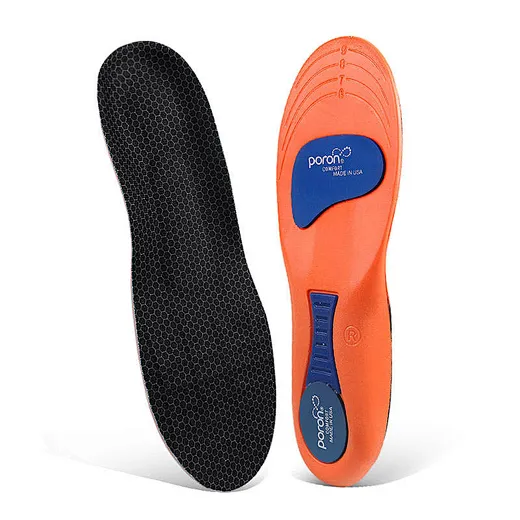
4. The Plush Guardian: Maximum Cushioning Insole
Designed for ultimate comfort, this insole combines a PU base for stability with premium Poron® foam and silicone gel. Poron® is a high-tech material renowned for its superior energy absorption and long-term resilience, effectively reducing pressure points. The added gel enhances impact cushioning, particularly in the heel. This combination makes it the go-to option for cyclists prioritizing maximum buffering against harsh impacts, ideal for rough terrains, bikepacking, or riders with joint sensitivity.


Expert Roundtable: Insights from Bike Fitters and Podiatrists
Dr. Sarah Mitchell, Sports Podiatrist
"The foot is the foundation of the kinetic chain in cycling. An unstable foot can lead to a cascade of compensations, manifesting as knee, hip, or even lower back pain. I always assess a cyclist's foot posture. For those with excessive pronation or very high arches, a high-quality, supportive insole is non-negotiable. It's the first and most cost-effective intervention we often recommend."
Mark Taylor, Master Bike Fitter
"In my fitting studio, we treat the shoe and insole as a single system. The stock footbed in most cycling shoes is essentially a placeholder; it has no real structural integrity. Swapping it for a performance insole is the single biggest upgrade you can make for foot comfort and efficiency, often more impactful than a costly groupset change. It allows for more precise cleat positioning as the foot is held in its optimal position."
How to Select Your Perfect Cycling Insole: A Step-by-Step Guide
Step 1: Determine Your Arch Type
Perform the "wet test": wet your foot and step on a piece of cardboard. Observe the shape of your footprint to identify if you have a low, medium, or high arch.
Step 2: Identify Your Primary Riding Discipline
Road cycling demands stiffer insoles for power transfer. Mountain and gravel biking may benefit from slightly more cushioning and moisture control for vibration damping and longer, varied terrain rides.
Step 3: Consider Your Specific Needs
Do you suffer from hot spots? Prioritize metatarsal support. Prone to heel slippage? Look for a deep, aggressive heel cup. Dealing with numbness? Seek insoles with targeted relief channels.
Step 4: Ensure Compatibility
Check the thickness of the insole, especially in the forefoot, to ensure it doesn't create pressure points against the top of your shoe or affect cleat engagement.
Installation and Care for Long-Lasting Performance
Proper Installation
1. Remove the stock insoles completely.
2. If trimming is required, place the new insole on top of the old one and carefully trace the outline before cutting.
3. For heat-moldable models, follow the manufacturer's instructions precisely, typically involving a low-temperature oven and a careful molding process with your feet in the shoes.
Routine Care
To prolong life and maintain hygiene, remove insoles after sweaty rides to air dry. Wipe them down periodically with a damp cloth and mild soap. Avoid harsh chemicals or machine washing, which can break down adhesives and foams.
Frequently Asked Questions (FAQs)
How often should I replace my cycling insoles?
For regular cyclists, expect to replace structured insoles every 12-18 months. Heat-moldable performance insoles may last 2-3 seasons. Replace sooner if you notice visible compression, cracking, or a return of discomfort.
Can I use my running insoles in my cycling shoes?
This is not recommended. Running insoles are designed for impact absorption and a heel-to-toe gait. Cycling insoles are engineered for a static, weight-bearing position with a focus on lateral stability and power transfer. Using the wrong type can be ineffective or even cause injury.
Will thicker insoles make my shoes fit tighter?
Yes, they can. Most performance insoles are designed to be low-profile, but it's a crucial consideration. If your shoes are already at the limit of comfort, you may need to account for the new insole's volume. Some brands offer "thin" or "volume reducer" versions for snug-fitting shoes.
Do I need custom orthotics from a doctor, or are aftermarket insoles sufficient?
For most cyclists with mild to moderate support needs, high-quality aftermarket insoles are excellent. However, if you have a diagnosed foot condition, severe pain, or a significant leg length discrepancy, custom orthotics prescribed by a podiatrist are the gold standard and may be necessary.
Can good insoles fix knee pain while cycling?
They can significantly help if the knee pain is related to poor foot alignment. By stabilizing the foot and preventing excessive internal or external rotation, insoles can correct the knee's path through the pedal stroke. For persistent pain, a full professional bike fit is recommended.
Conclusion: Pedal in Comfort, Ride with Confidence
Investing in the right pair of cycling insoles is a profound upgrade to your riding experience. It is an investment in your body's mechanics, long-term comfort, and ultimately, your performance. By understanding the key features, matching them to your physiology and riding style, and seeking expert advice when needed, you can transform your connection to the bike. Remember, every watt of power starts from the foot. Give yours the foundation they deserve, and unlock smoother, stronger, and more enjoyable rides ahead.


Are Soft and Comfortable Shoe Insoles Enough for Your Daily Needs?
Stop Foot Pain: Choosing Basketball Inserts for Support and Cushioning