The Best Candidates for Cushioned Insoles: Who Needs Them Most? Discover how cushioned insoles can transform comfort, performance, and foot health for these specific groups
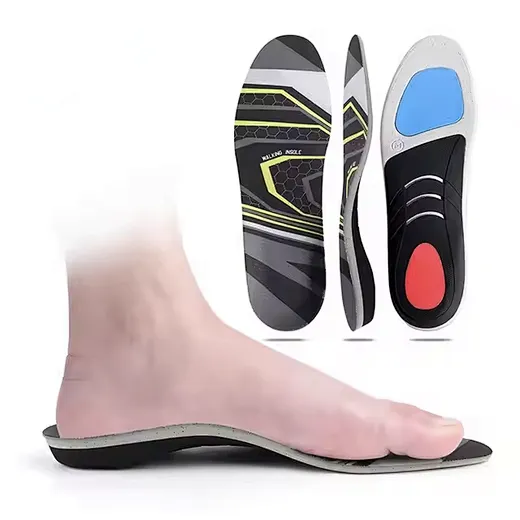
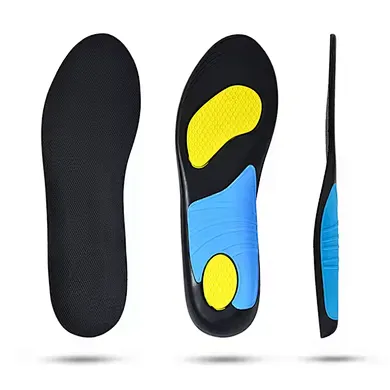
Our cushion insoles, designed for superior shock absorption and pressure relief. Their soft, responsive foam layers conform to your foot, reducing fatigue on hard surfaces. Perfect for long hours of standing, walking, or everyday wear.
The Best Candidates for Cushioned Insoles: Who Needs Them Most?
Discover how cushioned insoles can transform comfort, performance, and foot health for these specific groups
Table of Contents
- Introduction: The Power of Cushioned Insoles
- What Are Cushioned Insoles?
- Top Candidates for Cushioned Insoles
- Expert Insights on Insole Selection
- Frequently Asked Questions
- Conclusion: Step Into Comfort
Ready to discover if you're a prime candidate for cushioned insoles?
Introduction: The Power of Cushioned Insoles
Foot pain and discomfort affect millions worldwide, often stemming from inadequate support and shock absorption in everyday footwear. Cushioned insoles have emerged as a simple yet transformative solution, but they're not equally beneficial for everyone. Understanding who benefits most can help you make informed decisions about your foot health.
These specialized inserts do more than just add padding—they redistribute pressure, absorb impact, and enhance stability, addressing specific needs for different lifestyles and conditions. Whether you're an athlete seeking performance gains or someone managing chronic foot pain, the right cushioned insole can be life-changing.
What Are Cushioned Insoles?
Cushioned insoles are specialized shoe inserts designed with enhanced padding materials—typically memory foam, gel, EVA foam, or poron—that provide superior shock absorption compared to standard shoe insoles. Unlike rigid orthotics that focus on correction, cushioned insoles prioritize comfort and impact reduction.
Key Functions of Cushioned Insoles
- Shock absorption during walking, running, or standing
- Pressure redistribution away from sensitive areas
- Enhanced comfort for extended wear
- Reduced joint stress in feet, ankles, knees, and hips
- Improved energy return for athletes
Materials Matter
The effectiveness of cushioned insoles depends heavily on their materials. Memory foam molds to your foot shape, gel inserts provide excellent shock dispersion, and EVA foam offers a balance of cushioning and support. High-quality materials maintain their cushioning properties longer, providing sustained relief.
Top Candidates for Cushioned Insoles
1. Active Athletes and Runners
Athletes subject their feet to repetitive high-impact forces. Cushioned insoles reduce the shock transmitted through joints with each stride, potentially lowering injury risk and improving performance. Marathon runners, basketball players, and high-impact sport participants see significant benefits from targeted cushioning.
Benefits for Athletes:
- Reduced impact stress on joints and bones
- Enhanced recovery between training sessions
- Improved energy efficiency during activity
- Lower risk of stress fractures and tendonitis
2. Individuals with Plantar Fasciitis
Plantar fasciitis sufferers experience heel pain from inflamed tissue. Cushioned heel pads and full-length insoles with extra heel padding can significantly reduce morning pain and discomfort throughout the day by absorbing shock and reducing strain on the plantar fascia.
3. People Who Stand All Day
Teachers, healthcare workers, retail employees, and others who spend long hours on their feet experience constant pressure on their soles. Cushioned work insoles distribute this pressure more evenly, reducing fatigue and preventing conditions like metatarsalgia (ball-of-foot pain).
Occupational Benefits:
- Reduced foot fatigue during long shifts
- Prevention of occupational foot disorders
- Improved productivity through enhanced comfort
4. Seniors and Older Adults
Aging naturally reduces the fat padding in feet and can lead to thinner, less protective skin. Extra-cushioned insoles compensate for this natural loss, providing protection against pressure ulcers, reducing joint pain, and improving balance and stability—critical factors in fall prevention.
5. Individuals with Arthritis
Both osteoarthritis and rheumatoid arthritis cause joint pain exacerbated by impact. Gel-cushioned insoles absorb shock before it reaches arthritic joints in the feet, ankles, and knees, providing measurable pain relief and increased mobility.
6. Diabetic Patients
Diabetic neuropathy reduces sensation in feet, making them vulnerable to pressure ulcers. Therapeutic diabetic insoles with extra cushioning redistribute pressure away from high-risk areas, playing a crucial role in preventing foot complications that can lead to serious infections.
Important Note:
Diabetic patients should always consult with a podiatrist or healthcare provider before using any insoles, as improper fit can create new pressure points.
7. Overweight and Obese Individuals
Excess body weight increases force on feet with every step. High-density cushioning insoles provide necessary shock absorption to protect joints and prevent conditions like plantar fasciitis, flat feet, and general foot fatigue that disproportionately affect heavier individuals.
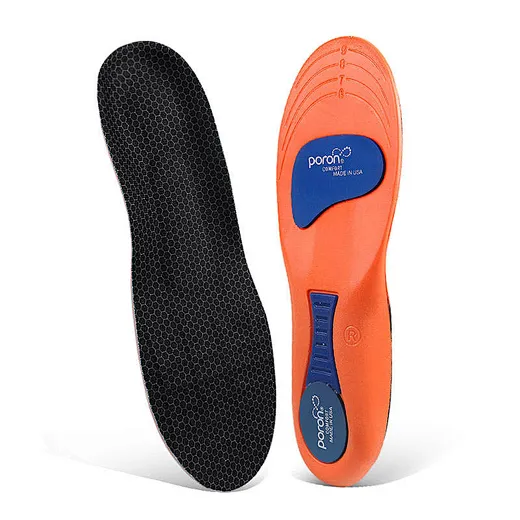
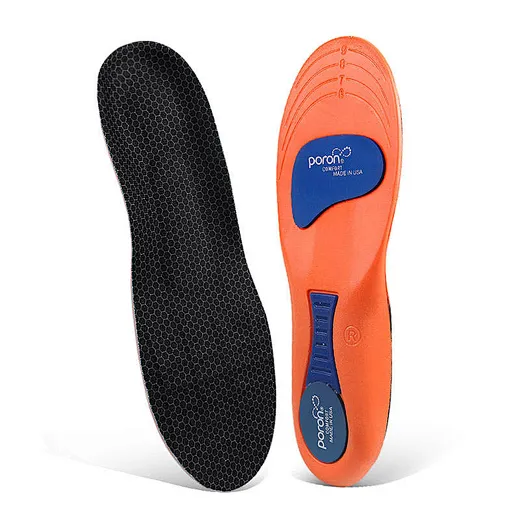
PU, gel, and Poron are excellent materials for cushioning and shock absorption in shoe insoles. Many insoles strategically incorporate these materials in the forefoot and heel areas to better match the pressure distribution of the foot, providing targeted support and enhanced comfort.


Expert Insights on Insole Selection
Dr. Rebecca Simmons, DPM
Board-Certified Podiatrist, Foot & Ankle Specialist
15+ years specializing in biomechanics and therapeutic footwear
Additional Professional Recommendations:
- Match cushioning to activity: Denser foam for high-impact sports, softer gel for everyday comfort
- Consider full-length vs. 3/4 insoles: Full-length provides more comprehensive cushioning
- Replace regularly: Most cushioned insoles lose effectiveness after 6-12 months of daily use
- Combine with proper footwear: Insoles work best in shoes with adequate room and support
Frequently Asked Questions
How do I know if I need cushioned insoles versus orthotic insoles?
Cushioned insoles focus on comfort and shock absorption, ideal for impact reduction and general discomfort. Orthotic insoles provide structural correction for biomechanical issues like overpronation or high arches. Many premium products combine both features. If you have specific alignment issues, consult a podiatrist.
Can cushioned insoles help with back pain?
Yes, indirectly. By absorbing foot impact that would otherwise travel up through your joints, quality cushioned insoles can reduce stress on knees, hips, and the lower back. Many users report reduced back pain, especially when standing or walking on hard surfaces.
Are memory foam insoles better than gel insoles?
Each has advantages: Memory foam molds to your foot shape for personalized comfort but may compress over time. Gel insoles offer consistent shock absorption and typically last longer. For high-impact activities, gel often performs better; for all-day comfort, memory foam is frequently preferred.
How often should I replace my cushioned insoles?
For daily use, replace every 6-12 months. Athletes and those on their feet all day may need replacement every 3-6 months. Visible compression, loss of rebound, or odor that won't wash out are clear replacement signals. Worn-out insoles lose their therapeutic benefits.
Can I use the same insoles in different shoes?
Yes, if they fit properly in each shoe without crowding. Many cushioned insoles are trimmable to fit multiple pairs. However, very different shoe types (like running shoes vs. dress shoes) may require different insole styles for optimal performance.
Conclusion: Step Into Comfort
Cushioned insoles offer targeted relief for specific populations who experience foot discomfort from impact, pressure, or natural padding loss. From athletes seeking performance edges to seniors prioritizing stability, these inserts deliver measurable benefits when matched to individual needs.
The most effective approach combines proper diagnosis of your foot needs, quality materials suited to your activities, and regular replacement to maintain therapeutic benefits. While not everyone requires cushioned insoles, for the candidates outlined in this article, they can dramatically improve comfort, reduce pain, and enhance daily functioning.
If you identify with one or more of the candidate profiles discussed, consider trying quality cushioned insoles as part of your foot health strategy. Always consult with a foot specialist for persistent pain or specific medical conditions affecting your feet.


Specialized Insoles for Athletes: Unlocking Performance and Preventing Injury
Casual Shoe Insoles: Ultimate Guide for Daily Comfort. Transform Your Everyday Shoes with the Right Insoles for Maximum Comfort and Support