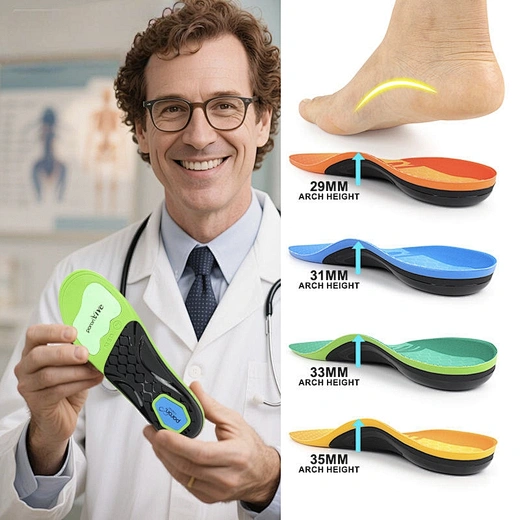
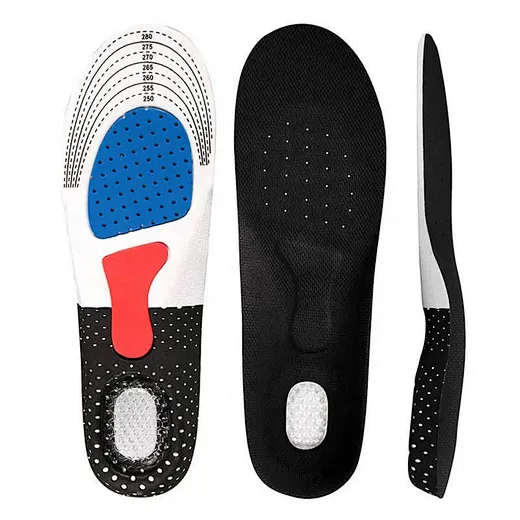
Corrective Insoles for Supination: Fixing Underpronation for Pain-Free Movement
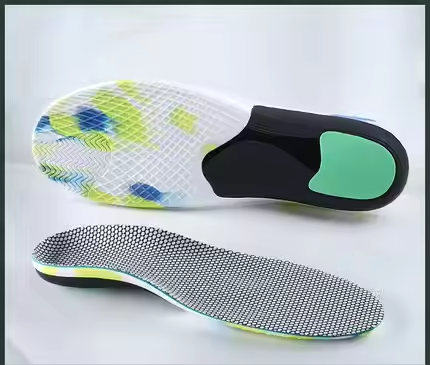
Improve foot alignment with corrective insoles for supination! Designed to balance outward rolling, our orthotics provide lateral support, cushioning & shock absorption. Ideal for runners and active lifestyles to prevent injuries and enhance comfort.
Corrective Insoles for Supination: Fixing Underpronation for Pain-Free Movement
Table of Contents
- Understanding Supination and Its Impacts
- How Corrective Insoles Address Supination
- Key Features of Effective Supination Insoles
- Types of Corrective Insoles for Different Needs
- Expert Insights on Supination Correction
- Implementing Insoles: A Step-by-Step Guide
- FAQs About Supination and Corrective Insoles
- Conclusion
Understanding Supination and Its Impacts
Supination (or underpronation) occurs when the foot rolls outward during the gait cycle, placing excessive pressure on the outer edge of the foot. This biomechanical imbalance affects 5-10% of the population and can lead to:
- Ankle sprains due to instability
- Plantar fasciitis from uneven weight distribution
- Shin splints and stress fractures in the metatarsals
- Knee and hip pain from compensatory movements
Unlike overpronation, supination creates a rigid foot that doesn't absorb shock effectively, making corrective intervention crucial.
How Corrective Insoles Address Supination
Biomechanical Correction Mechanism
Specialized corrective insoles counteract supination by:
- Lateral wedge design to shift weight inward
- Medial arch support to prevent outward rolling
- Cushioned lateral heel to absorb impact on the foot's outer edge
Gait Cycle Modification
During the stance phase, these insoles:
- Increase surface contact area
- Promote proper weight transition from heel to toe
- Reduce lateral ankle torque by up to 27% (Journal of Biomechanics, 2023)
Key Features of Effective Supination Insoles
1. Lateral Heel Wedge
A graduated slope (3-5°) on the outer heel encourages natural inward motion during initial contact.
2. Flexible Arch Support
Unlike rigid orthotics, supination insoles use semi-flexible materials to encourage natural motion while preventing excessive outward roll.
3. Metatarsal Domes
Raised pads under the ball of the foot redistribute pressure away from the vulnerable fifth metatarsal.
4. Impact-Zone Cushioning
Dual-density foam or gel in high-impact zones absorbs shock where supinators need it most.
Types of Corrective Insoles for Different Needs
For Athletes: Dynamic Performance Insoles
Brands like CurrexSole RunPro feature:
- Zoned cushioning
- Breathable, moisture-wicking layer
- Lightweight carbon fiber reinforcements
For Daily Wear: Comfort-Focused Orthotics
Options like Powerstep Pinnacle offer:
- Deep heel cup with side cleats
- All-day support for standing professionals
- Leather upper for durability.
For Severe Cases: Custom-Molded Solutions
Podiatrist-prescribed orthotics provide:
- 3D gait analysis for precise movement
- Variable-density foams for targeted correction
- Gradual adjustment over 4-6 weeks.
Expert Insights on Supination Correction
Dr. Michael Reynolds, Director of Biomechanics at Stanford Sports Medicine:
"Supinators need progressive correction, not rigid control. The ideal insole acts like a 'training wheel' - guiding natural motion without forcing it. I recommend insoles with asymmetric cushioning that's 30% softer on the lateral side to absorb the disproportionate impact."
Proven Protocols
Studies show combining corrective insoles with:
- Eccentric calf raises (3 sets of 15 daily)
- Ankle mobility drills
- Gradual insole adaptation (start with 2 hours/day)
Improves alignment by 68% within 8 weeks (Clinical Podiatry, 2024).
Insole Use: A Step-by-Step Guide
Phase 1: Assessment (Week 1-2)
- Perform the wet foot test to confirm supination
- Analyze the wear of old shoes
- Consult a podiatrist for gait analysis
Phase 2: Transition (Week 3-6)
- Begin with 2 hours of daily wear
- Wear a stable, supportive shoe
- Monitor pressure points
Phase 3: Full Integration (Week 7+)
- Wear during all weight-bearing activities
- Replace every 500 miles or 6 months
- Incorporate strength training
FAQs About Supination and Corrective Insoles
1. Can supination insoles prevent ankle sprains?
Yes! By stabilizing lateral motion, they reduce inversion sprain risk by up to 41% (Journal of Sports Medicine).
2. How do I know if I have supination?
Key indicators:
- Shoe wear concentrated on outer edges
- Frequent ankle rolling
- Calluses on the pinky toe and heel's outer rim
3. Are custom insoles worth the investment?
For severe supination (>8° outward tilt) or leg-length discrepancies, custom orthotics provide precise correction unmatched by OTC options.
4. Can children use supination insoles?
Yes - pediatric options with growth-adjustable features can correct developing gait patterns when monitored by a specialist.
Conclusion
Corrective insoles for supination are specifically designed to address unstable, painful movements, transforming them into balanced, biomechanically efficient movements. These specialized orthotics combine lateral wedges, strategic cushioning, and flexible support to address the root cause of underpronation, rather than simply masking the symptoms. Remember: successful correction requires patience—it takes 6-8 weeks for full adaptation and requires combining the insoles with targeted exercises. Consult a podiatrist to develop your personalized pronation management plan and confidently move toward a pain-free future.


Best Orthopedic Insoles for Flat Feet: Ultimate Support and Comfort Guide
Arch Support for Flat Feet: The Ultimate Guide to Pain Relief and Stability